Puerto Maldonado is the gateway to the Tambopata region and one of the easiest ways to access the Peruvian Amazon. Most travelers fly in, transfer to a boat, and disappear into the jungle within a few hours.
But the Amazon doesn’t begin and end at a lodge. Understanding how Puerto Maldonado, Tambopata, the river systems, and the surrounding rainforest fit together can be the difference between a trip that works and one that becomes an expensive lesson in poor planning.
This guide brings together everything I’ve learned travelling through the region, from choosing a lodge and planning transport to understanding the seasons, wildlife, and realities of Amazon travel.
Tambopata At A Glance
- Region: Madre de Dios
- Main Gateway: Puerto Maldonado
- Best Trip Length: 4–7 Days
- Seasonality: Dry (May–Sept) / Wet (Nov–March)
- Access: Flight or Interoceanic Highway
- Wildlife: Macaws, Monkeys, Caiman, Giant Otters
- Challenge: Humidity & Logistics
Puerto Maldonado & Tambopata: Understanding The Region
Most travelers treat Puerto Maldonado as an unavoidable layover and Tambopata as a singular, static park. In reality, Puerto Maldonado sits at the critical confluence of the Tambopata and Madre de Dios rivers. It’s the administrative and logistical center for the entire Tambopata region, which spreads far beyond the commonly visited National Reserve zone.
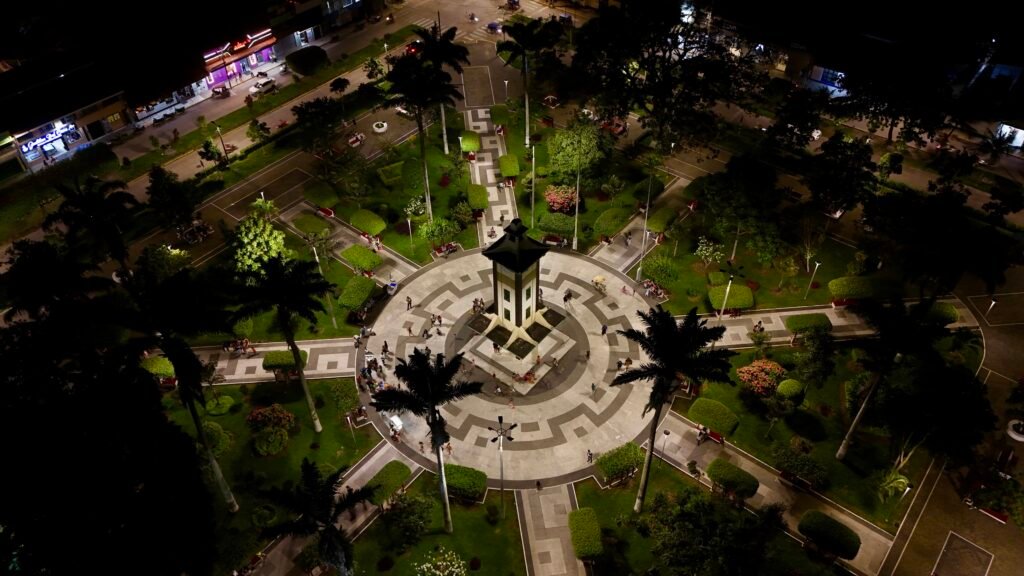
You aren’t just visiting a “reserve”. You’re entering a massive, shifting ecosystem where the boundaries between town and jungle are porous.
If you’re trying to understand the difference between the town, the reserve, and how they function as a wider travel system, my breakdown in Tambopata vs Puerto Maldonado will help clarify what most people get wrong before they even book a flight.
Travel Tip: If you’re still confused as to how Puerto Maldonado, Tambopata and the Peruvian amazon rainforest fit into a wider Peru itinerary, consider beginning with my Peru Travel Guide for a country level overview.
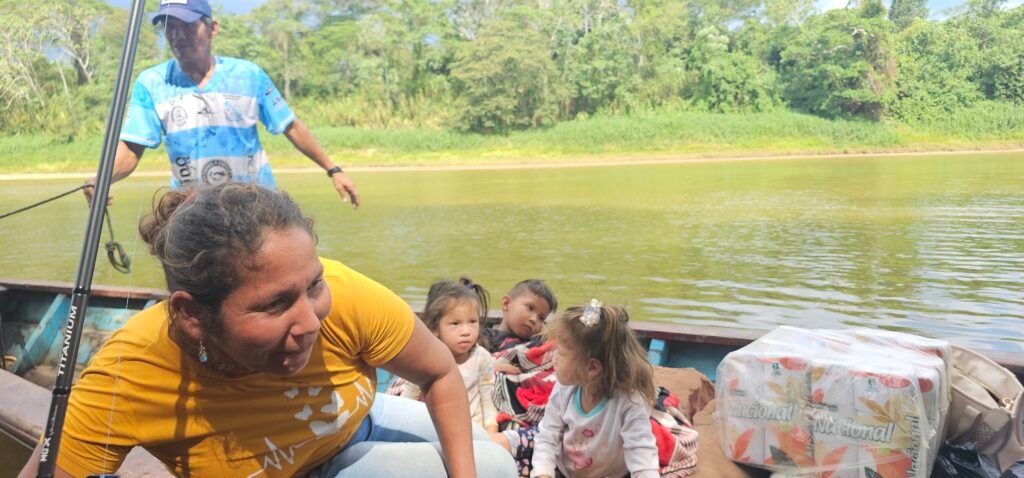
How To Get To Tambopata & Puerto Maldonado
How you arrive dictates the entire tone of your trip. While flying directly into Puerto Maldonado is the quickest way, taking the 30C Interoceanic Highway from Cusco allows you to witness the physical transition of the landscape—from the high Andes, plunging down through the Cusco region’s Camanti Cloud Forest, and finally into the Amazon jungle.
The transition is visceral: the air pressure shifts, the scent of high-altitude dry grass is replaced by the smell of diesel and heavy, wet earth at the Quincemil rest stops, and the vegetation explodes into a wall of green.
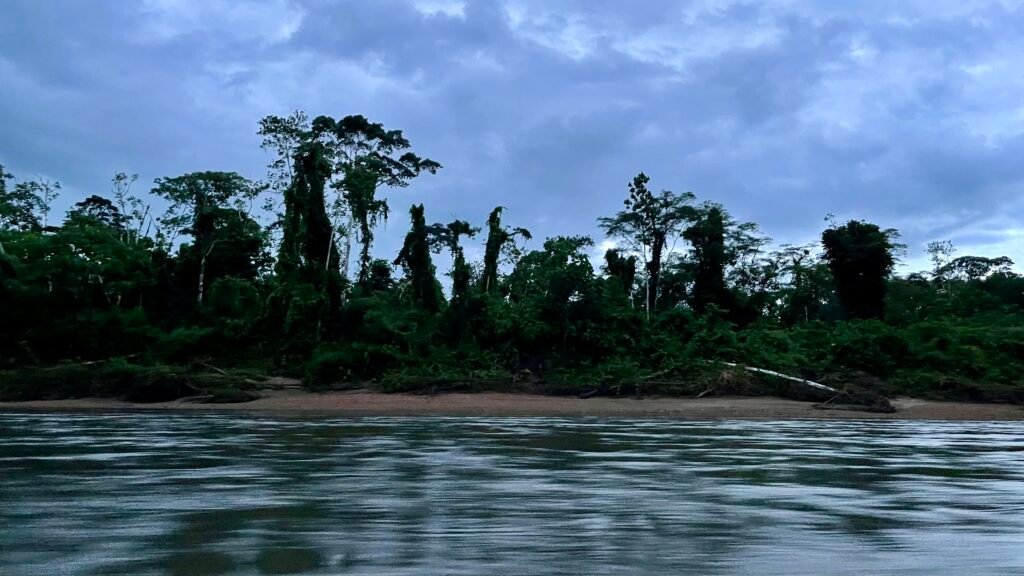
Camanti feels nothing like the lowland Tambopata region. The jungle narrows into steep valleys, waterfalls cut through the roadside cliffs, and the humidity settles over everything long before you reach the river systems farther east.
If you’re weighing these options, read Cusco To The Amazon: Why A Boarding Pass Is No Way To See Peru to see why the road is my preferred method, or follow my Cusco → Puerto Maldonado itinerary if you’re ready to commit to the route.
Note: On the map above, I’ve been adding in the points of interest so you can see just how far each lodge is from a particular tourist attraction.
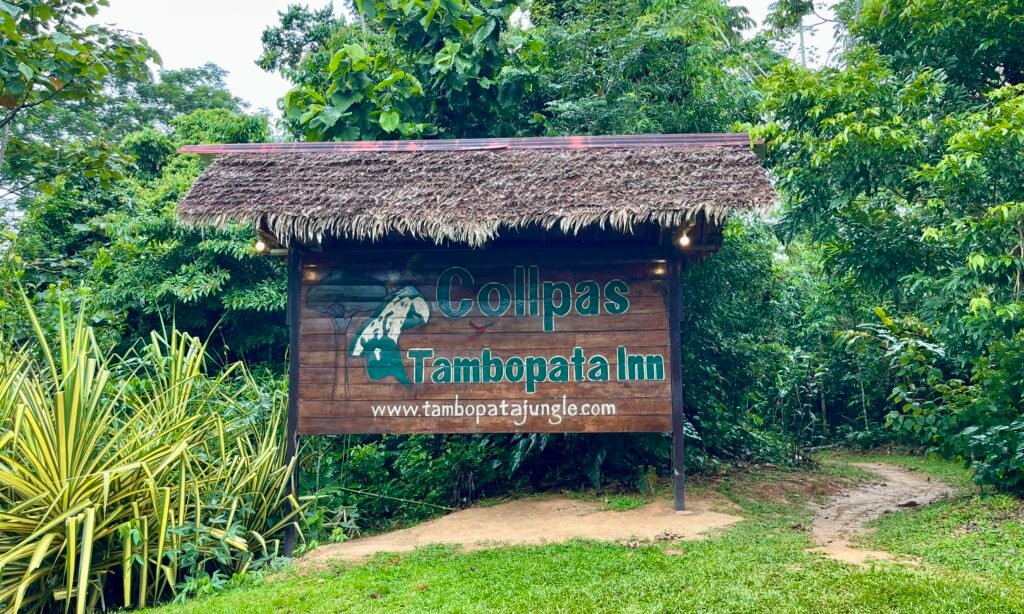
Choosing The Right Tambopata Lodge
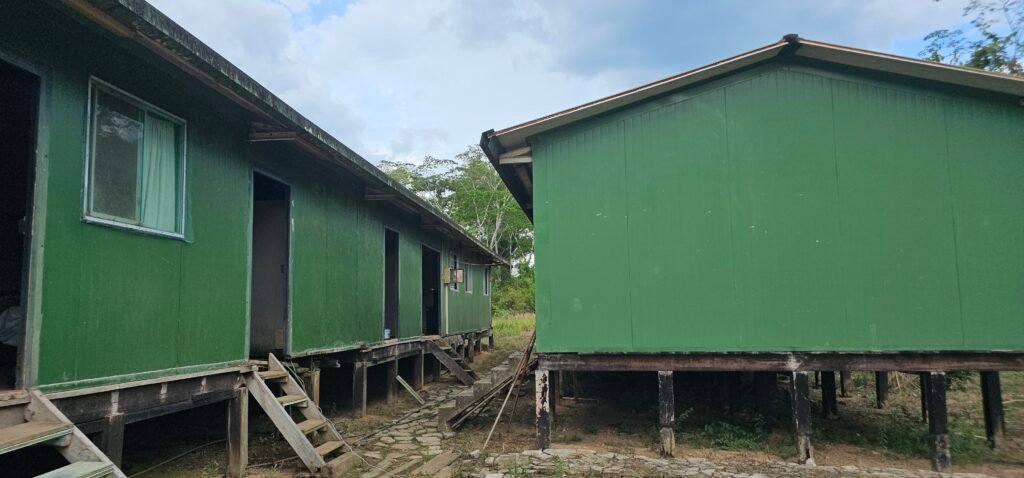
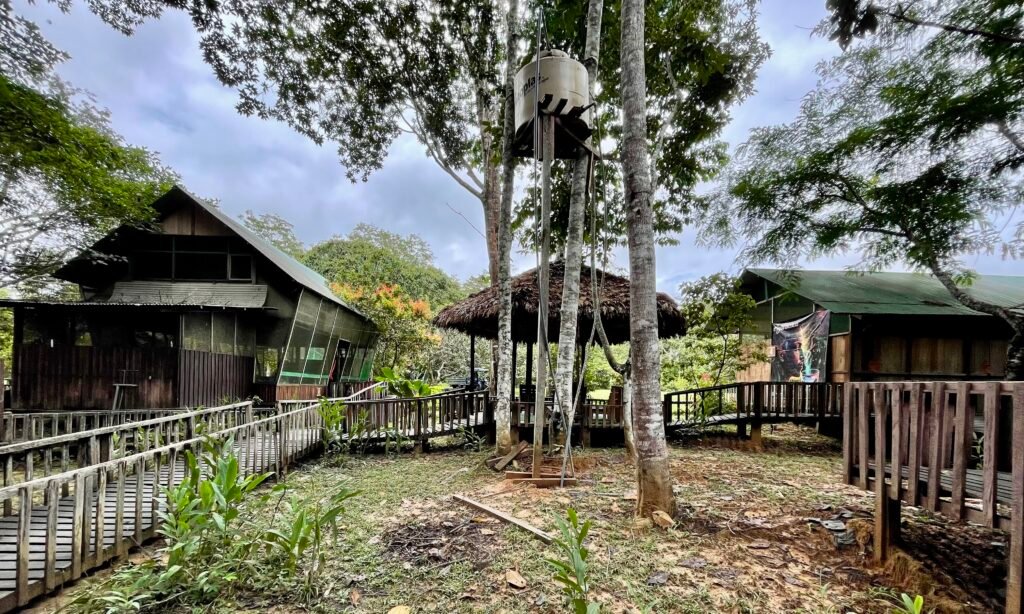
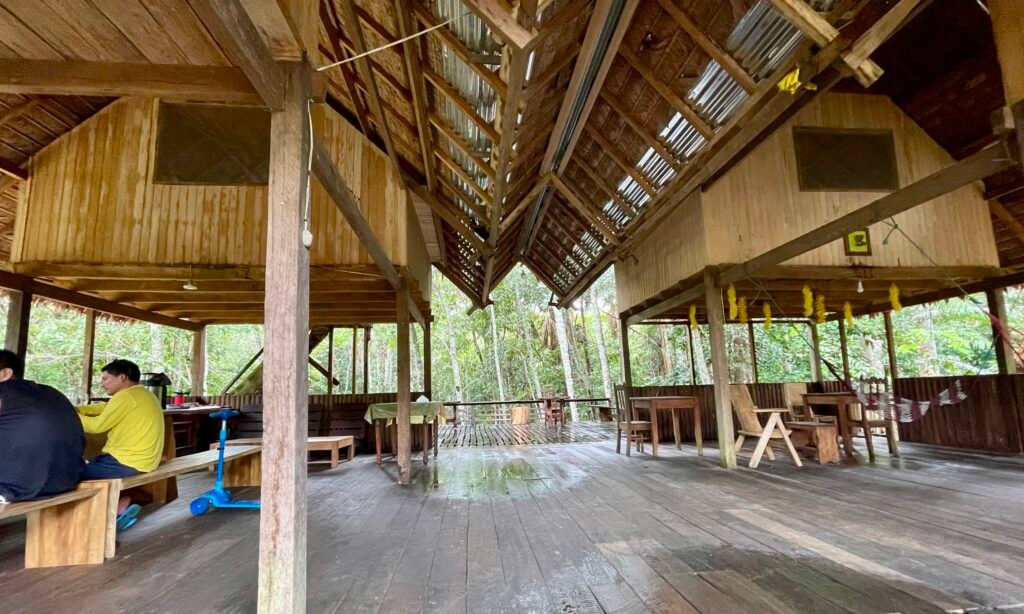
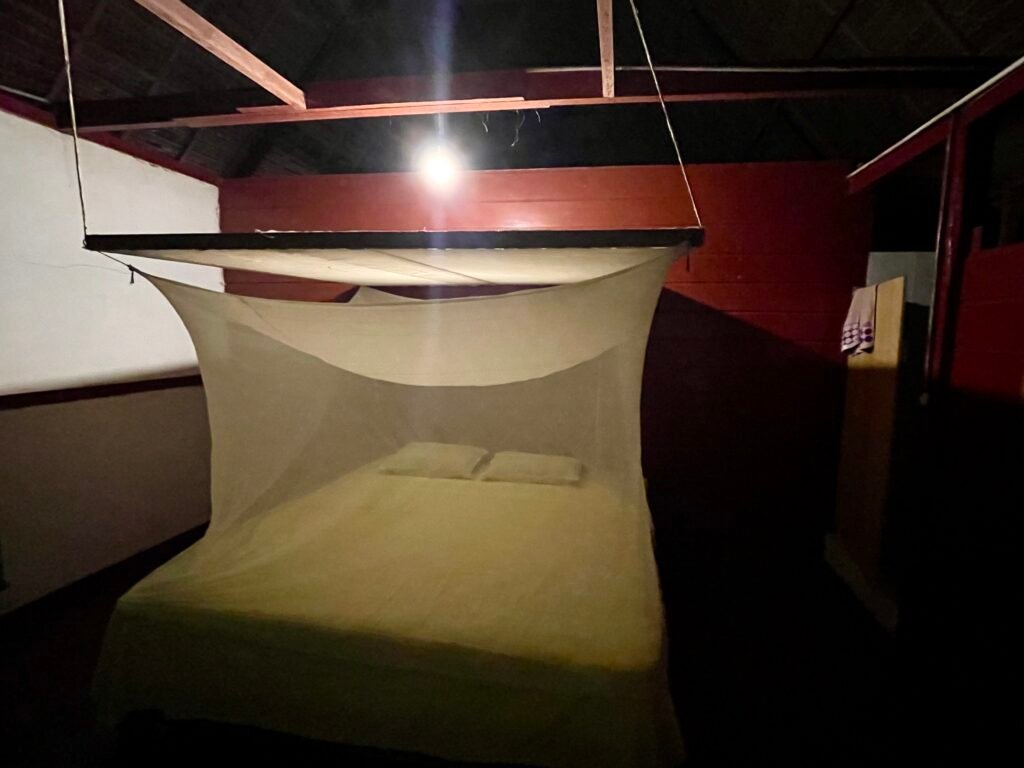
The biggest mistake travelers make is trusting website photos over operational reality. I’ve seen too many people book “bargain” bungalows that are effectively being reclaimed by the jungle—places where the toilets aren’t even bolted to the floor and the generator, if it runs at all, cuts out at 7:00 PM, leaving you to listen to the mosquitos buzzing around your bed.
Conversely, if you’re looking for a reliable, lodge/hotel hybrid experience near the river and Lake Sandoval, Enai provides a level of comfort and access that balances the environment with necessary infrastructure.
Quality in Tambopata isn’t defined by thread count; it’s defined by the staff’s ability to maintain the facility against relentless moisture and decay.
Before you lock in a reservation, read How To Choose A Tambopata Lodge: 6 Mistakes To Avoid and What is it really like staying in a jungle lodge? to understand what you’re actually paying for.
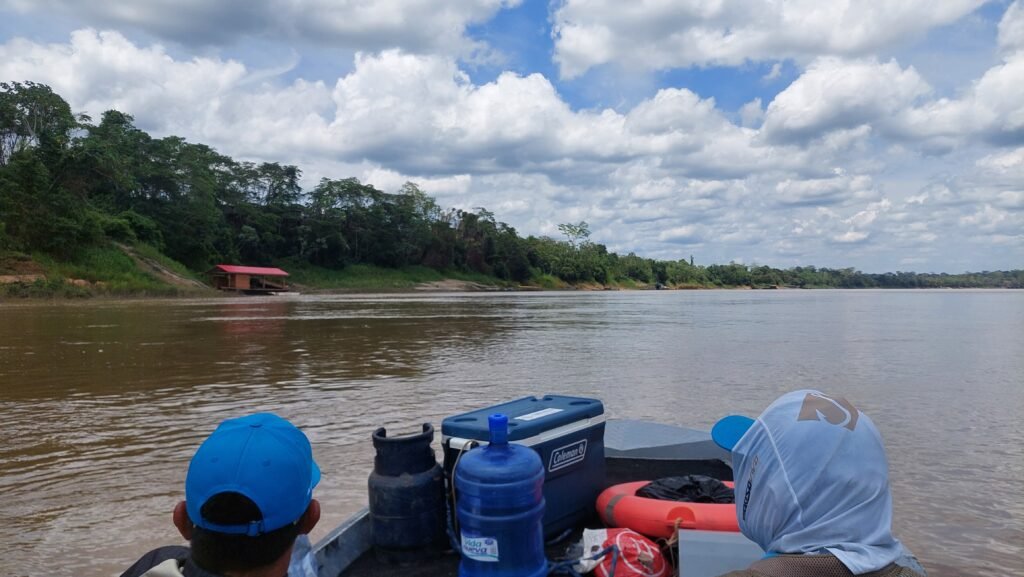
Best Time To Visit Tambopata & What Wildlife To Expect
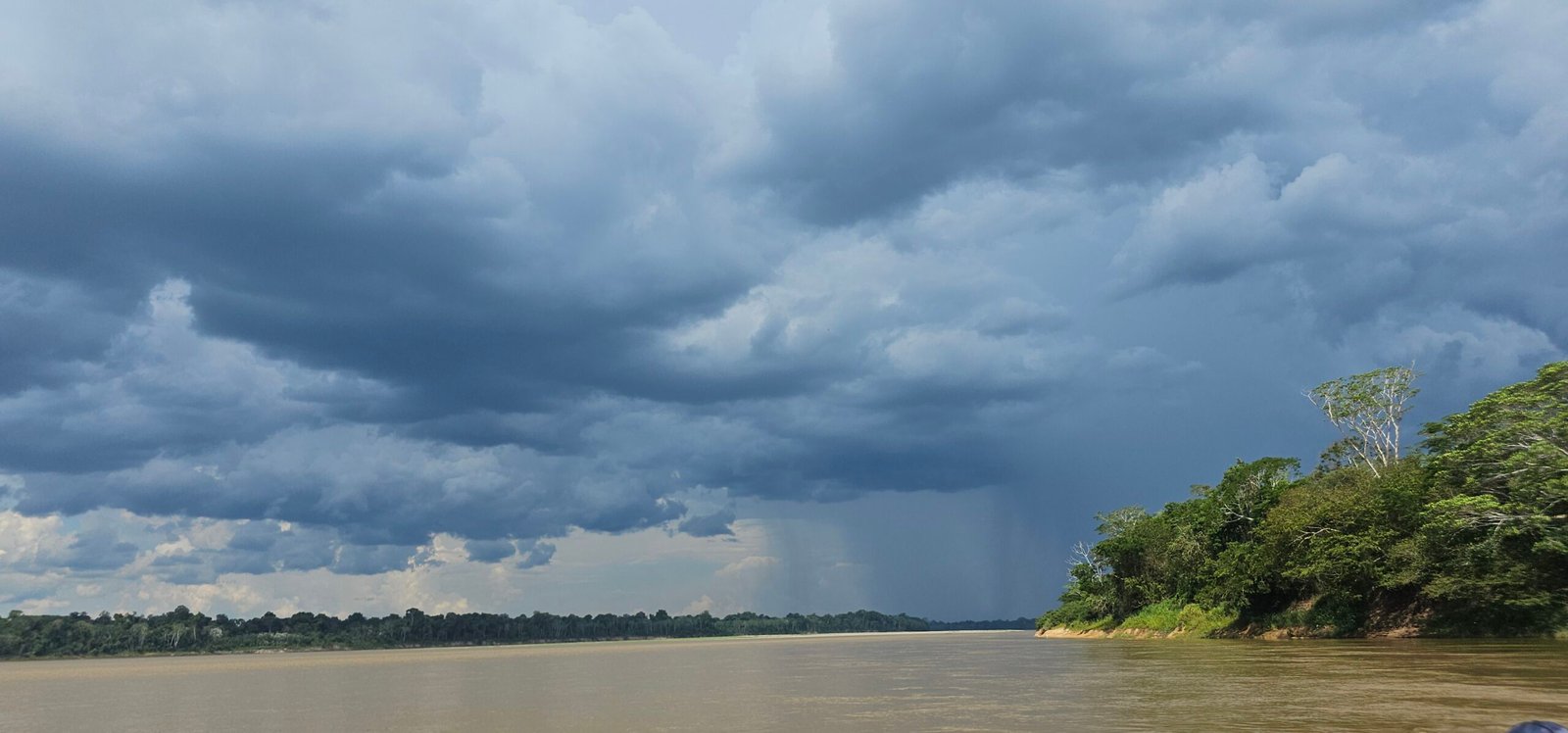
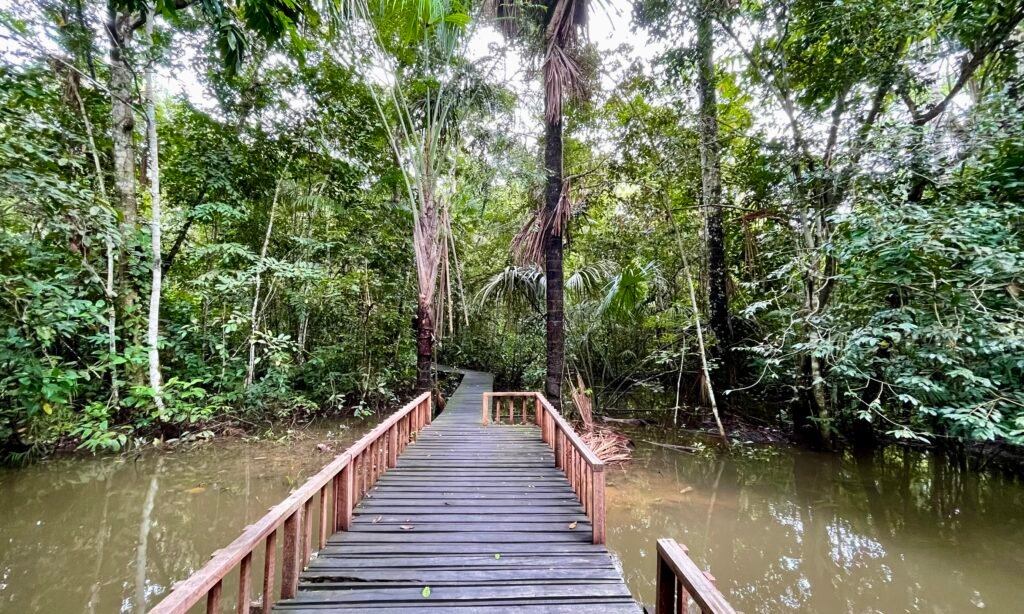
Tambopata has a pulse that changes with the rainfall. I’ve watched boat captains reroute entire journeys because a familiar riverbank had disappeared underwater overnight during a heavy wet-season swell. During the wet season, infrastructure is tested to its limits; during the dry season, the trails are more accessible, but the environment is entirely different.
Yet there’s a payoff to the effort. At dawn near the clay licks, the silence is suddenly shattered as dozens of macaws begin circling, their calls echoing off the riverbank and the water itself.
It’s a chaotic, deafening surge of sound that occupies the entire river corridor. Then, just as quickly, the birds disperse into the deep forest, leaving you back in the steady, rhythmic drone of the river current and the distant hum of the Amazon jungle.
For a candid look at how to time your visit without the fluff, see my Best Time to Visit the Amazon and my thoughts on the Dry Season vs Wet Season in Tambopata.
Health, Safety & Common Mistakes In Tambopata
I’ve dealt with dengue fever—which hit me on day five of a trip, leaving me as weak as a kitten and unable to lift a can of beer without feeling the fever spike. And I’ve had cellulitis that didn’t show its face until I tried to lace up my sneakers back in Lima after days of permanently wet shoes in the jungle.
I’ve even seen travel companions like my friend Dave spend a week running into the bushes due to anti-malarial side effects.
The jungle is manageable until a small problem compounds three hours upriver. Most things start as something forgettable—a leaking toilet, a wrong pair of shoes, or an extra pill. The danger isn’t the drama you prepare for; it’s the accumulation of the things you don’t.
I’ve written The Amazon Keeps Score to provide an unvarnished look at these risks.
For a broader understanding of where trip planning goes wrong, review Peruvian Amazon Mistakes: Why Most Itineraries Get The Whole Region Wrong and 6 Things To Know BEFORE You Visit Puerto Maldonado And Tambopata In Peru!.
Don’t Treat Medical Coverage as Optional
Many travelers assume their credit card’s built-in travel protection covers them in the Amazon, but those policies often have major gaps that leave you personally responsible for care. The danger here isn’t just one big event; it’s the accumulation of small, compounded risks that turn a minor issue into a major problem. Secure the right coverage before you leave the grid.
Tambopata FAQ
How many days do you need in Tambopata?
Most travelers need at least 4 days to get past the initial “gateway” experience and into the actual reserve, though 7 days is the sweet spot for seeing the Tambopata region properly.
Is Puerto Maldonado worth visiting?
Yes, but only if you get past the airport and the port. It’s a real jungle city with its own food culture and nightlife, not just a place to wait for a boat in the Peruvian Amazon.
Is Tambopata safe?
It’s safe if you manage the accumulation of small risks. The danger here isn’t the big, dramatic events, but the heat, the insects, and the lack of immediate medical access.
Are Tambopata lodges expensive?
Price isn’t a reliable indicator of quality. While the top-tier, high-end lodges can be exceptional, you’re paying a significant premium for that consistency.
Is it worth paying more for a lodge?
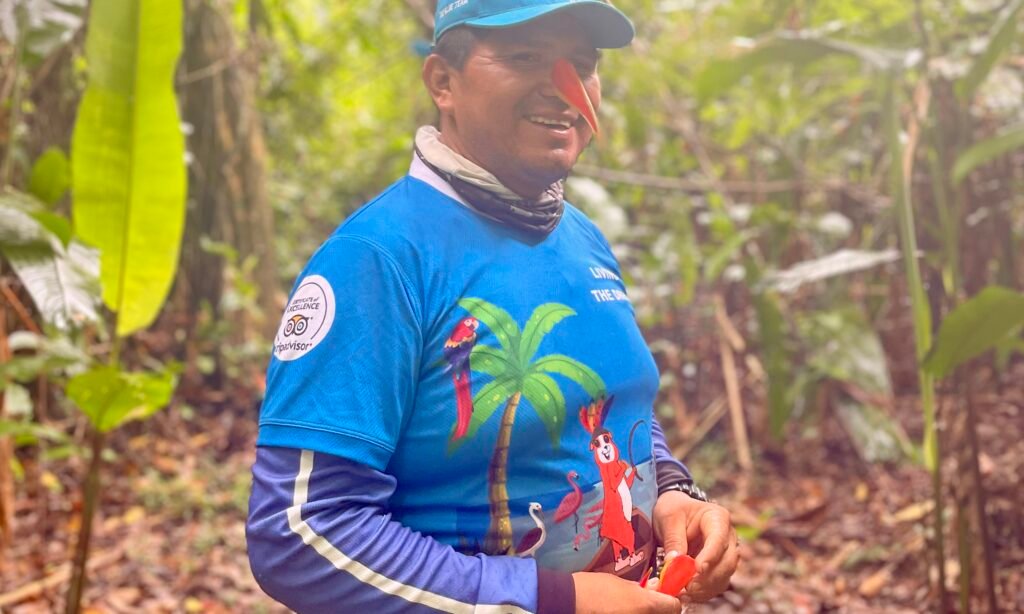
For most of the market, it’s hit or miss. Every lodge is fighting a constant battle against humidity and decay; if maintenance slips, quality drops fast. Regardless of what you pay for the room, the quality of your guide is the single factor that will make or break your experience.
Tambopata Travel Control Center
Planning Your Trip
- Cusco → Puerto Maldonado Itinerary
- Ultimate Road Trip: Cusco To Puerto Maldonado Via Ausangate
- Cusco To The Amazon: Why A Boarding Pass Is No Way To See Peru
Decisions & Logistics
- How To Choose A Tambopata Lodge
- What Is It Really Like Staying In A Jungle Lodge?
- Best Time To Visit Tambopata
- Dry Season vs Wet Season In Tambopata
- Packing for the Amazon Jungle
Regional Exploration
- Camanti Cloud Forest
- Sport Fishing In Tambopata
- Is Puerto Maldonado Worth Visiting?
- Things To Do In Puerto Maldonado
- Monkey Island
- Lago Yacumama
If you’re ready to stop planning for a brochure and start building an itinerary that actually functions in the Tambopata region, start here: Peru Trip Planning.
Don’t Guess Your Amazon Itinerary
Between flooded river systems, unreliable transfers, seasonal wildlife shifts, and wildly inconsistent lodge quality, planning a trip to the Peruvian Amazon is harder than most travelers expect. Build your itinerary around real operational experience instead of brochure marketing.