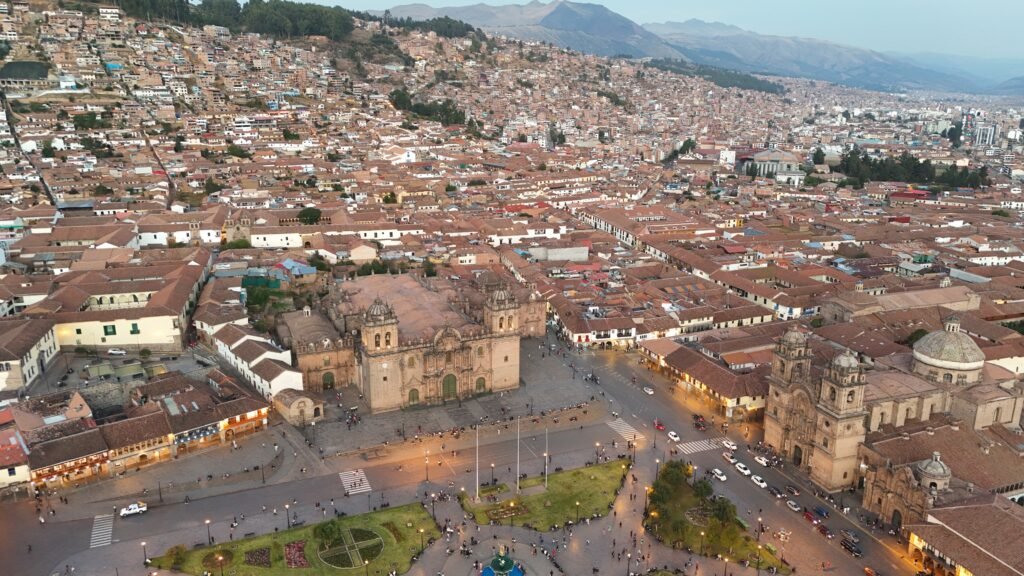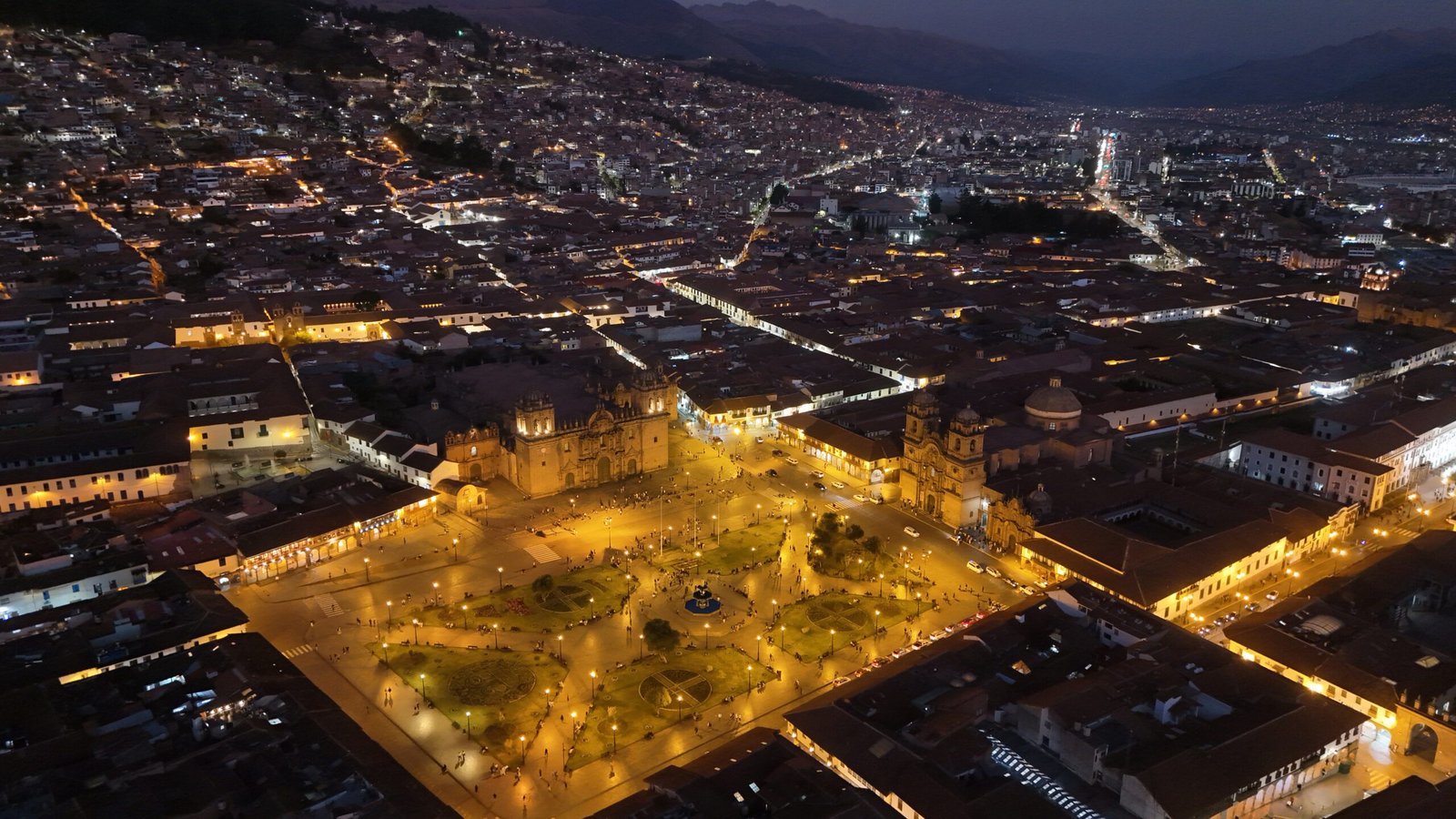
The first time I arrived in Cusco in 2007, the city felt completely different. The late-night food stalls on Plateros were a staple, San Blas was a quiet enclave for artists, and the city’s rhythm wasn’t dictated by the constant hum of mass tourism.
Since then, I have spent more than a year in Cusco across multiple long-term stays. Over nearly two decades, I’ve watched the business landscape shift; local institutions have vanished, replaced by trendy sushi spots and cafes designed for the three-day visitor.
Much of what first-time visitors experience today is designed around tourism rather than local life. This guide is based on nearly twenty years of experience in Cusco and the Andes. I’ve written this for those who want to understand the reality of Cusco and how to navigate the region without falling into the common traps that derail thousands of itineraries every year.
Cusco sits at the heart of the Andes — one of three completely different travel experiences that make up Peru as a whole.
Cusco At A Glance
- Region: Cusco Department (Andes)
- Primary Gateway: Alejandro Velasco Astete (CUZ)
- Ideal Duration: 5–7 Days
- Altitude: ~3,400m (11,152 ft)
- Altitude Strategy: Stay in the Sacred Valley for your first 2 nights to acclimate.
- Stay Neighborhoods: Historic Centre, San Blas, Santa Monica & Marcavalle
- Gastronomy: Traditional Andean (Cuy, Alpaca, Trout)
How Cusco Has Changed Since 2007
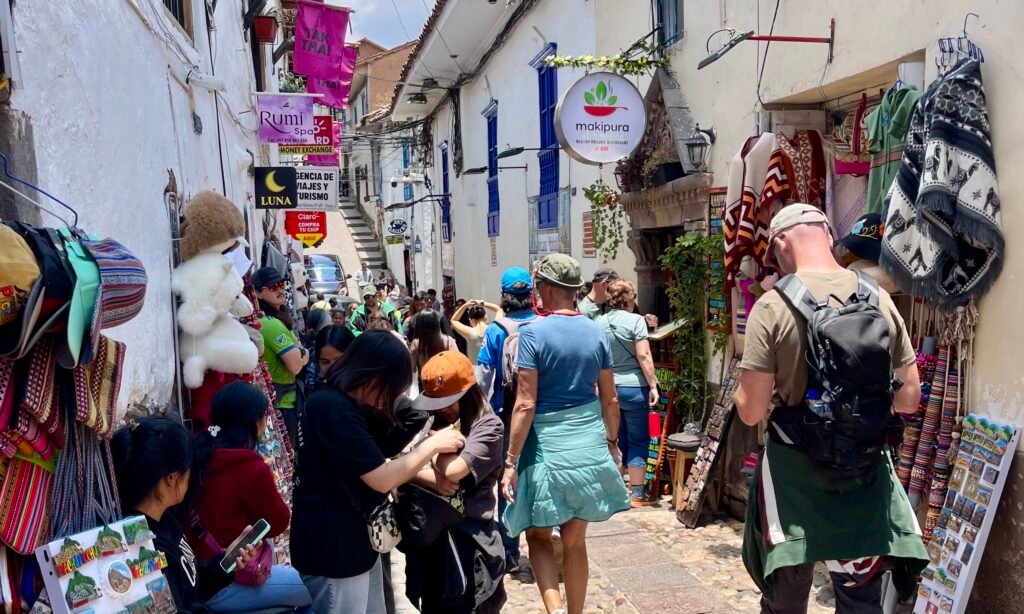
I’ve been returning to Cusco for nearly two decades, and the transformation is stark. When I first visited, San Blas was a quiet enclave for artists, not the heavily commercialized quarter it is today.
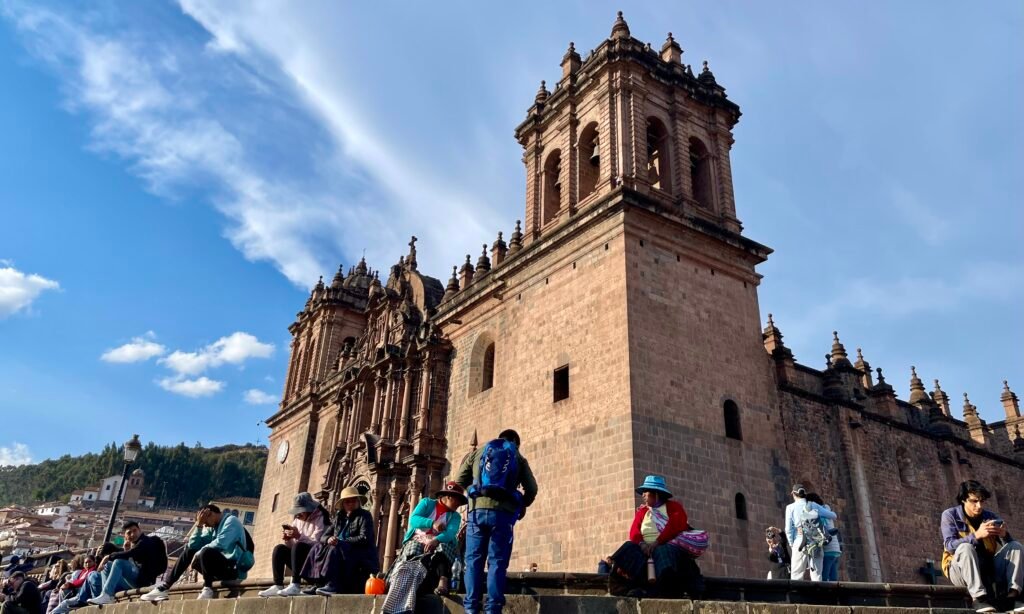
I’ve watched the rise of luxury tourism and the emergence of a digital nomad scene that has shifted the city’s infrastructure. While the physical foundations remain, the “gringo trail” has been replaced by a more rigid, highly organized tourism industry—one where local institutions are often pushed aside for spots that cater specifically to the three-day visitor. The core of the city is different, but if you look past the Plaza de Armas, the real Cusco still exists.
Visiting Cusco: What First-Time Travelers Need To Know
Cusco is not a museum piece; it’s a high-altitude city shaped by thousands of years of human history. The modern obsession with the Inca often obscures the deeper, pre-Inca layers of Peru.
If you want to understand the true foundation of this country, spend your first three days in Lima and visit the museums in Pueblo Libre. You will find the most significant artifacts from the Andean past are housed there, not in the souvenir-heavy shops of central Cusco.
How Many Days Do You Need In Cusco?
Most travelers need 5–7 days to get a genuine sense of the region. Two days is inevitably rushed, leaving you vulnerable to altitude and exhaustion, while missing the nuance of the city.
4–5 days is the practical minimum to see the historic center and dip into the Sacred Valley. However, travelers who give themselves 7–10 days often find they can pace their exploration, allowing them to visit places like the 7 Lakes of Ausangate or deeper Sacred Valley sites like Moray and the Maras Salt Mines without the panic of a frantic schedule.
Pro Cusco Travel Tip: If you have more time in the Cusco regions, consider going overland via the 30C Interoceanic Highway from Cusco to Puerto Maldonado via Ausangate. Which will allow you to not only witness one of the most spectacular transition zones on the continent, but also visit the cloud forests of Camanti.
Best Time To Visit Cusco
I’ve visited Cusco in both the wet and dry seasons and personally prefer the shoulder months (April, May, and October). The skies are often clearer than people expect, and the crowds are noticeably smaller.
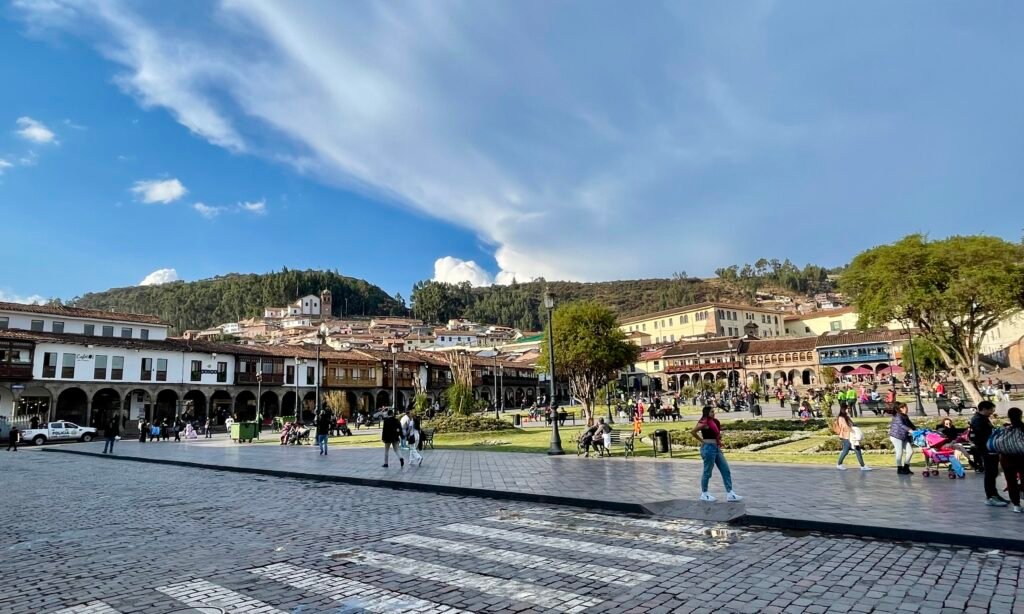
While the dry season (June–September) is popular for Inti Raymi and trekking, it can feel like the entire world has descended on the Plaza de Armas at once.
Sunday is the quietest day in the city. It’s the perfect time to head into the mountains around Cusco for a barbecue and beers with friends, or to drive to Pisac for a game of soccer followed by a swim in the Olympic-size pool—though be warned, I once jumped into it and it had ice cubes floating in it, and I’ve never exited a pool so quickly in my life.
Getting Around Cusco
Navigating the city requires a mix of strategies:
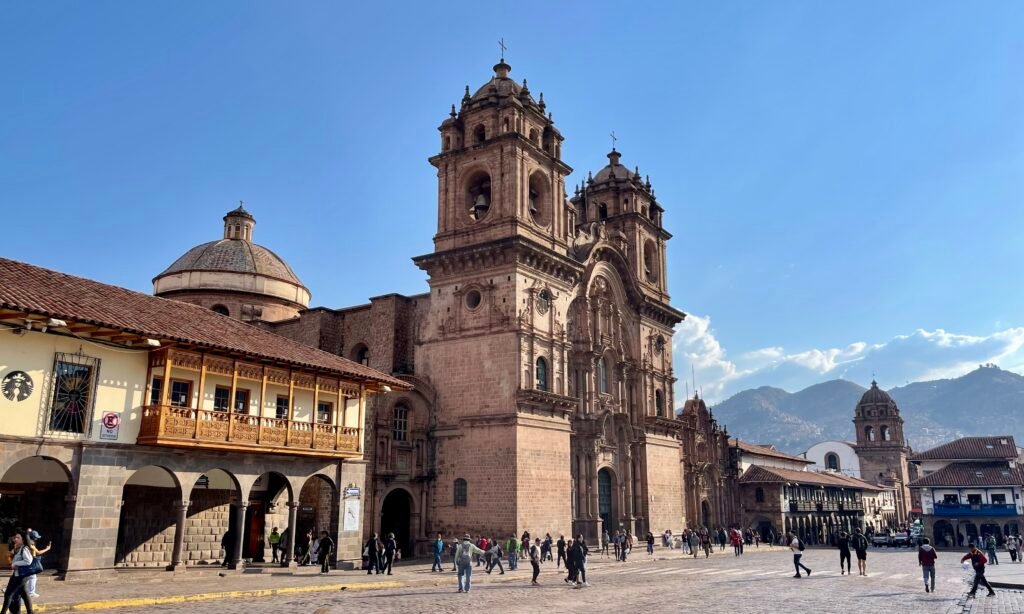
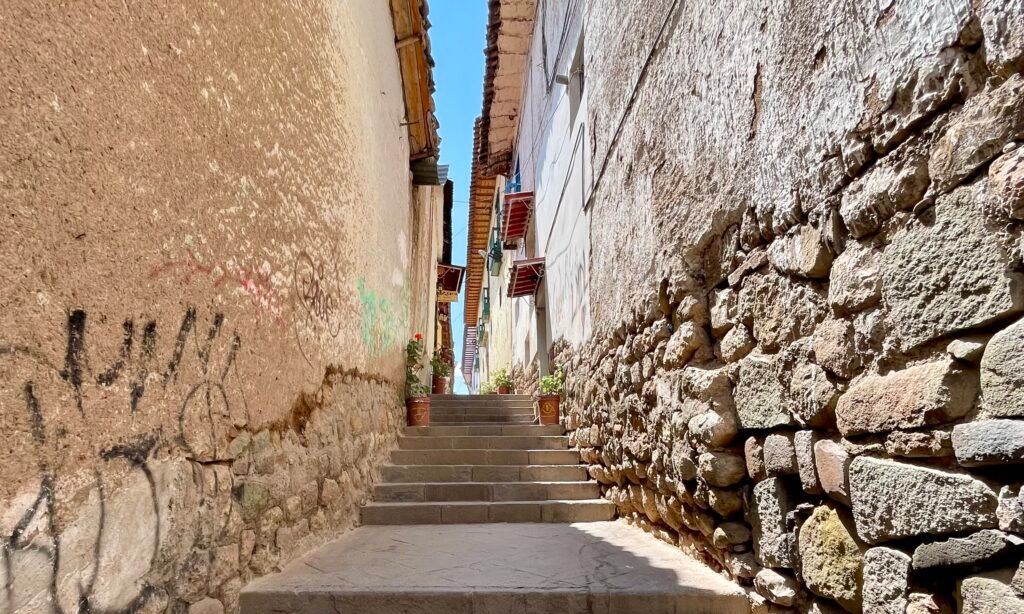
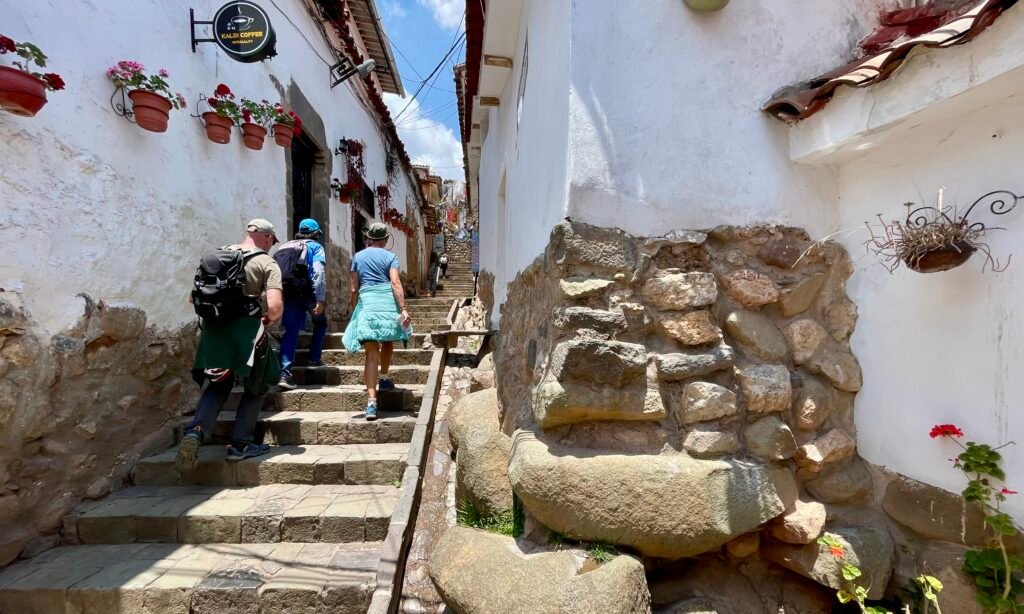
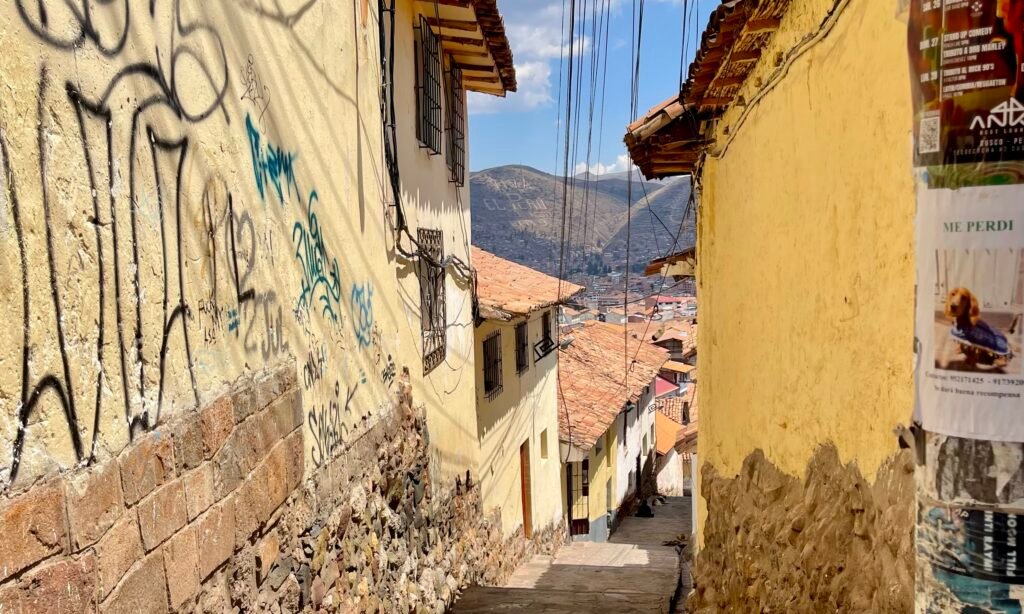
- Walking: The best way to see the Historic Centre and San Blas, but be prepared for steep inclines and uneven, slippery cobblestones.
- Ride-Sharing (Uber, InDrive, Cabify): These are the most efficient ways to traverse longer distances. Some drivers may claim these apps are prohibited at the airport; they’re lying to you. They operate there regularly.
- Colectivos: For travel to the Sacred Valley, these shared vans are the local standard—cost-effective and efficient if you’re comfortable with a slightly less formal travel style.
How To Get To Cusco
The Cusco airport (ALEJANDRO VELASCO ASTETE) is a basic regional transit point. When you exit the terminal, you will be approached by a line of taxi drivers who rely on the fact that you are disoriented from the altitude.
The Approach: You do not need to use them. If a driver tells you that ride-share apps are not allowed on airport grounds, they’re lying to you. Those apps can access the airport, and they are usually the most efficient and cost-effective way to get to your accommodation.
- Data Access: Use the airport’s Wi-Fi or set up an e-SIM before you land to ensure you have connectivity the moment you arrive.
Cusco Altitude: What Nobody Tells You
There is no singular remedy for altitude sickness. Coca tea and various pills may provide minor relief for mild symptoms, but they aren’t cures.
Altitude is a biological constraint. The dangerous trend I see now is travelers treating the Andes like a challenge to be overcome with medication. Travel blogs and forum members talk about ‘hacking the altitude.’ And you can’t hack anything, you can only risk more.
My rule is simple: Increase your elevation gradually. If you feel severe symptoms, do not attempt to “push through” with remedies—dropping to a lower altitude is the only reliable way to recover.
Slowing down your pace allows you to observe the region more thoroughly and reduces the risk of serious illness. I have walked from Pacchanta up to the 7 Lakes of Ausangate and felt the altitude far more intensely than I ever did in Cusco; fitness does not exempt you from this reality.
Where To Stay In Cusco By Travel Style
- First-Time Visitors: The Historic Centre is convenient for major sites, though noisy.
- Digital Nomads: Urb. Santa Monica and Urb. Marcavalle offer a more residential feel with better infrastructure for long-term stays.
- Budget Travelers: Look for hostels near San Pedro Market.
- Families: The Sacred Valley is lower, warmer, and significantly quieter, making it ideal for those who want to avoid the city center’s daily chaos.
- Photographers: Pisac in the Sacred Valley provides the best morning light for ruin photography.
Best Things To Do In Cusco
The Plaza de Armas is a central landmark, but it isn’t where you will find the city’s daily life.
For History Lovers
- Sacsayhuamán: Most tourists are herded through the main entrance by guides who need to move quickly. The local way to approach it is to wait for the guides and guards to leave outside of business hours and just waltz in. Once inside, leaning against the stones at dusk when the crowds dissipate is a different experience—the sheer scale and precision are felt more deeply in silence.
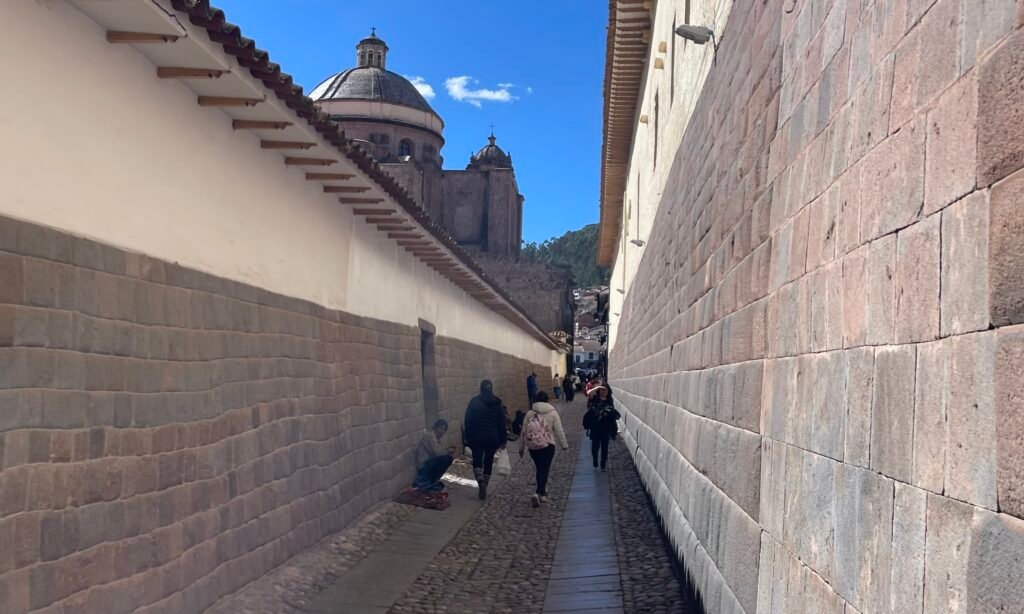
- Qorikancha: Beyond the well-known contrast of Incan stone and Colonial architecture, look for the glass-covered openings where the remains of the ancient elite were buried. Seeing the positions they were placed in gives you a sobering look at the history of these sites. A good free walking tour will take you into Qorikancha and explain these details.
- The Twelve-Angled Stone: A feat of engineering on Hatun Rumiyoc street; visit early in the morning to beat the selfie-stick crowds.
Cusco Travel Tip: Always take a free walking tour of Cusco. They’re not free in the sense that you don’t pay at all. Instead, think of the free walking tours in Cusco as an opportunity to pay what you think the tour was actually worth. And the best free walking tours can be found on GuruWalks.
For Hikers
- 7 Lakes of Ausangate: A trek that requires respect for the elevation. Check my complete guide to the 7 Lakes of Ausangate trek for details.
- Rainbow Mountain: Often treated as a quick day trip, the intensity of the elevation here is frequently underestimated. Before booking, read my guide on Rainbow Mountain altitude and acclimatization.
- Humantay Lake: Another site that requires significant care; the elevation here is frequently underestimated. See my Humantay Lake guide for what most tour companies won’t tell you.
For Foodies
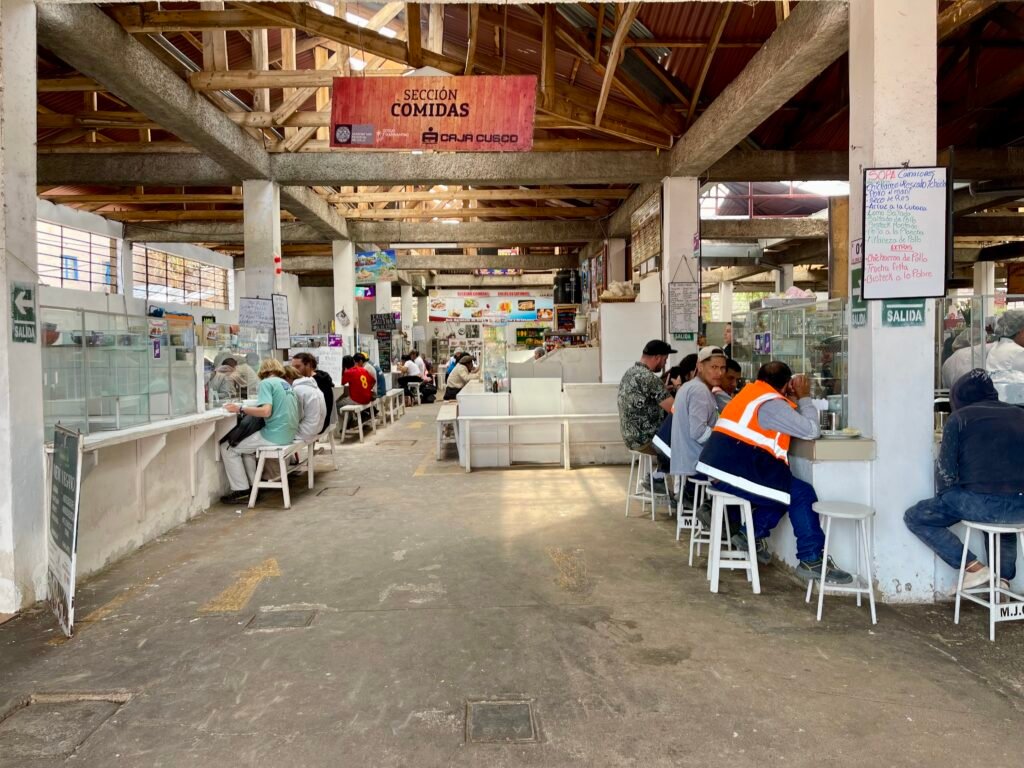
- San Pedro Market: Skip the front stalls. Walk deep into the market to see where locals actually purchase their staples. You must try a juice from the juice ladies in booths 99 and 100—Carmen and Araceli.
- Breakfast: Start your day with a reliable breakfast at Jack’s Cafe or head up to the San Blas market for a more local experience.
- Coffee: If you are looking for quality coffee, I recommend trying Panez. Don’t be that person who goes to Peru, only to drink coffee at an American chain store like Starbucks.
For Photographers
- The Sacred Valley: The light here is exceptional, especially around Pisac and Ollantaytambo. Read my complete Sacred Valley guide for a deeper breakdown of the area.
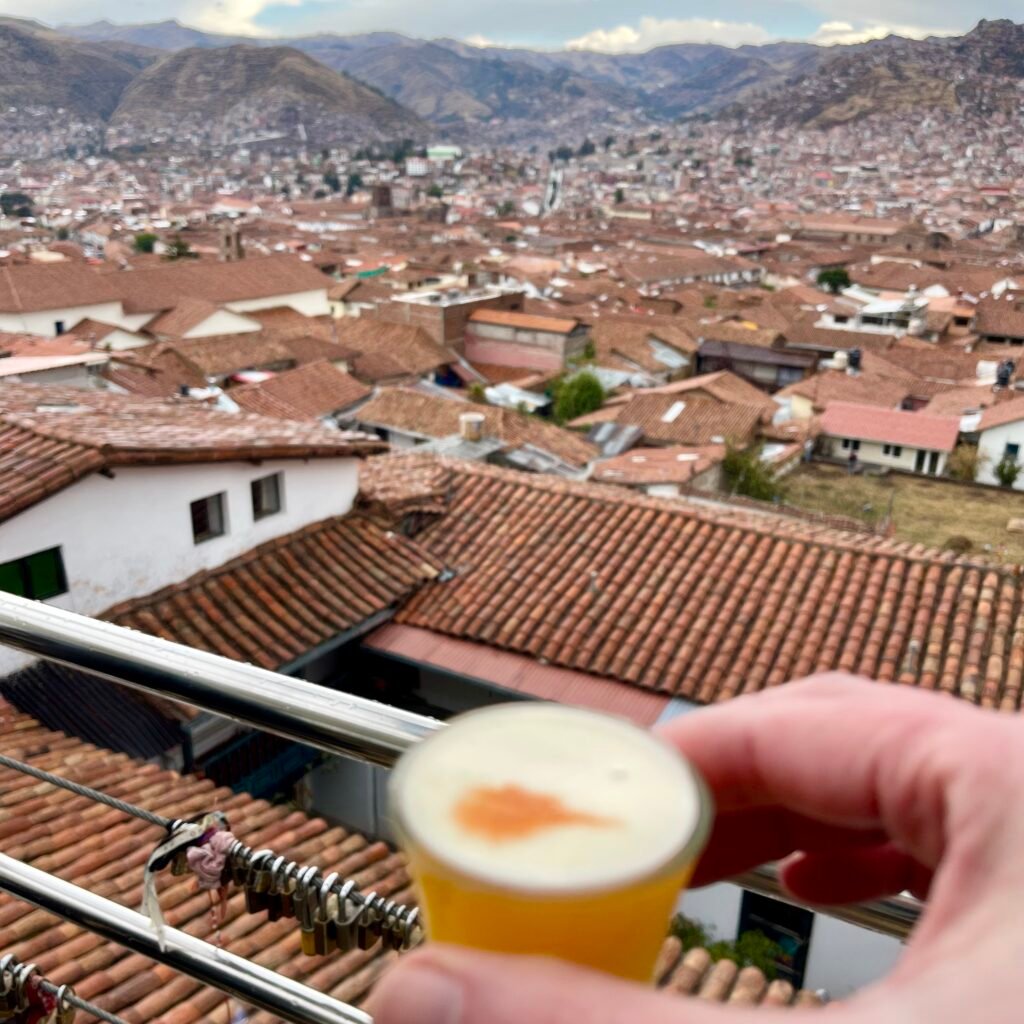
- Cristo Blanco: Skip the crowded bars and head here at sunset with a drink from a local bodega.
- Observation: Walk San Blas at 7:00 AM or 8:00 PM to see the streets when the crowds are minimal. When taking longer routes across the city in a ride-share, look up at the mountain sides—the markings you see are often names or personal messages plowed into the earth.
Visiting Machu Picchu From Cusco
The single biggest mistake travelers make is leaving their Machu Picchu ticket arrangements to a tour company. You must book the best circuits yourself, well in advance, via the official website.
If you want the best Machu Picchu experience, or to hike Huayna Picchu, you need to book months ahead. Otherwise, you risk disappointment or being stuck for days in Aguas Calientes with no recourse.
In my early days, we could arrive via Hydroelectrico and sneak into Machu Picchu. But today’s reality is rigid—book your own specific circuits early, or be prepared for massive crowds and limited access.
Regardless, ensure your train and Machu Picchu circuit tickets are secured independently long before you arrive in Peru. If you are planning to visit, read my complete Machu Picchu guide to booking tickets, choosing circuits, and avoiding the most common mistakes.
Food And Drink In Cusco
Seafood is a coastal product. I’ve learned the hard way that “ceviche” in the mountains is often a gamble that rarely pays off.
Focus instead on traditional Andean staples that the region actually produces and excels at. These ingredients are consistent, deeply connected to the geography, and far more meaningful to the local culinary identity:
- Cuy (Guinea Pig): It’s a traditional staple of the Andean diet. Do not let the appearance deter you; it’s a significant part of the culture that dates back centuries.
- Alpaca: A lean, flavorful protein that’s sustainable and appropriate for the high-altitude environment than imported meats.
- Local Trout: Freshly caught from Andean rivers and lakes, it’s a reliable and delicious choice.
- Native Potatoes: Stop looking for what you eat at home and start trying the different varieties prepared in traditional Andean soups or causa preparations.
Beyond these staples, two spots remain constant in a city that has seen so much change: Jack’s Cafe for a reliable breakfast or lunch, and Paddy’s Irish Pub if you find yourself needing a familiar atmosphere after long day trips and hiking.
Safety & Common Cusco Scams
Pickpocketing in Cusco often involves a coordinated group of three. Keep valuables in a zipped-up breast pocket inside your jacket.
- The “Burrier” Warning: Never accept a package, bag, or parcel from anyone to hold or transport. Exercise extreme caution in the alleyway known as Procuradores just off the main plaza; it’s where you will find the greatest density of illicit operators scouting for unsuspecting travelers to act as “burriers.”
- The “Taxi App” Lie: Drivers at the airport will tell you Uber or InDrive are illegal. They’re lying to you.
- Fake Tour Operators: Never book tours on the street or from random websites online. Use established, vetted agencies that clearly indicate who is behind them, your hotel’s trusted network or an aggregator like Get Your Guide or Viator.
Cusco Pro Travel Tip: Cusco and indeed almost all of Peru, is much safer than it’s made out to be. Your biggest risks are altitude and lacklustre travel providers who take a lax or laissez faire attitude toward potential risk. Don’t worry so much about violence and robbery, but do worry more about altitude and environmental hazards.
10 Mistakes I See Travelers Make In Cusco
- Flying in and going straight to Rainbow Mountain.
- Booking steep Airbnb locations without checking the topography.
- Overplanning their first 48 hours.
- Underestimating the reality of altitude.
- Only staying 2 nights.
- Thinking the Plaza de Armas represents “real” Cusco.
- Attempting to “hack” the altitude with medication.
- Trusting taxi touts at the airport.
- Eating coastal seafood in mountain markets.
- Ignoring the pre-Inca history found in Lima.
Why I Keep Returning To Cusco
I’ve spent more than a year in Cusco across multiple trips, and despite all the changes, I still come back. I don’t return for the Plaza de Armas or the typical tourist hotspots.
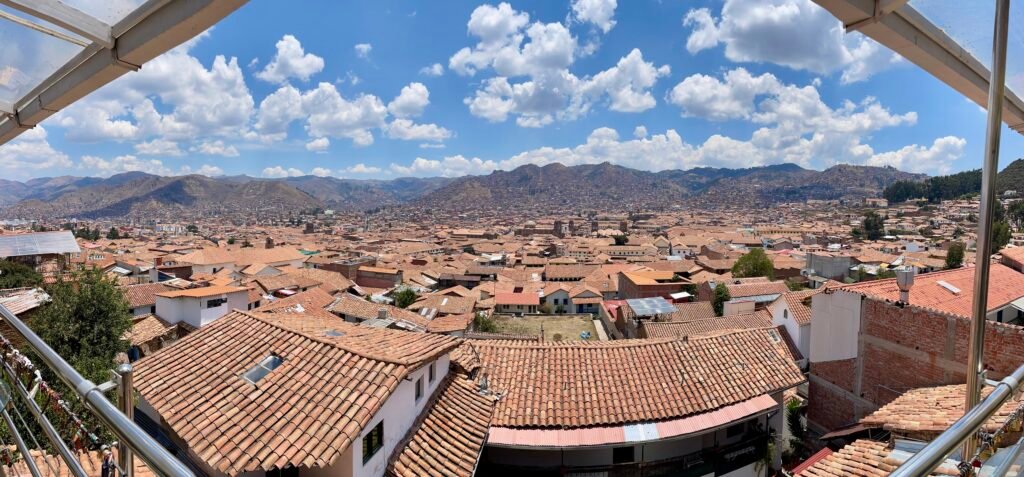
I come back for the mountains, the history, and a way of life that remains mostly unspoiled once you venture away from the short-term tourist bubble. The tourists have changed the core of Cusco, but the rest of it remains—hidden simply because most visitors are too afraid to venture away from the plaza.
Frequently Asked Questions about Cusco
How high is Cusco?
Cusco sits at an elevation of approximately 3,400 meters, or 11,152 feet, above sea level.
Is Cusco worth visiting?
Yes, it is the heart of Incan history, provided you prioritize exploring the ruins and local neighborhoods over the city center.
Is Cusco safe?
Cusco is generally safe to visit, provided you remain vigilant against coordinated pickpockets and take care to avoid “burrier” recruitment zones, such as the area near Procuradores.
How do I get from the Cusco airport to the city center?
The most efficient method is to use ride-sharing apps like Uber, InDrive, or Cabify rather than relying on the official airport taxi queue.
Stop Guessing with Your Cusco Itinerary
Cusco is easy to get wrong—from altitude challenges to neighborhoods designed only for visitors. Build a vetted, realistic itinerary that gets you out of the tourist bubble and into the real city, minus the risks.