The advice is always delivered with a well-meaning, patronizing smile: “Save yourself the day. Just fly.”
If you listen to the lifestyle bloggers or the “travel experts” who curate their Peru guides from a sanitized cafe in Lima, they’ll tell you that the 45-minute hop from Cusco to the amazon in Puerto Maldonado is the only professional move. For the budget-conscious, they’ll suggest the night bus—a grueling, sightless transit where you trade your sanity for a cheap ticket. You wake up in the humid soup of the jungle with no memory of how you actually crossed the world to get there.
They’re selling you a destination. They’re completely missing the point.
Most travelers weighing the Cusco to Tambopata route choose the flight for efficiency. But that efficiency erases the entire ecological and cultural transition you’re actually here to see. The real story of the Andes and the Amazon is written on the 30C Interoceanic Highway—a road that doesn’t just change the scenery; it demands your respect.
The Internal Monologue of a Skeptic
The first time I planned the overland route to go sport fishing in the Amazon, my internal monologue was a chorus of doubt. I was trading two hours in an airport bar for a winding, unpredictable 10-hour haul across some of the most vertical terrain on the planet.
We were in a modern 4×4, traveling with friends who happen to be senior mountain guides. We weren’t there because the road “requires” a rugged rig; the 30C is a ribbon of modern engineering that Brazilians on motorcycles tackle daily. We were there because you need a driver you can trust when the local rules of the road stop making sense.
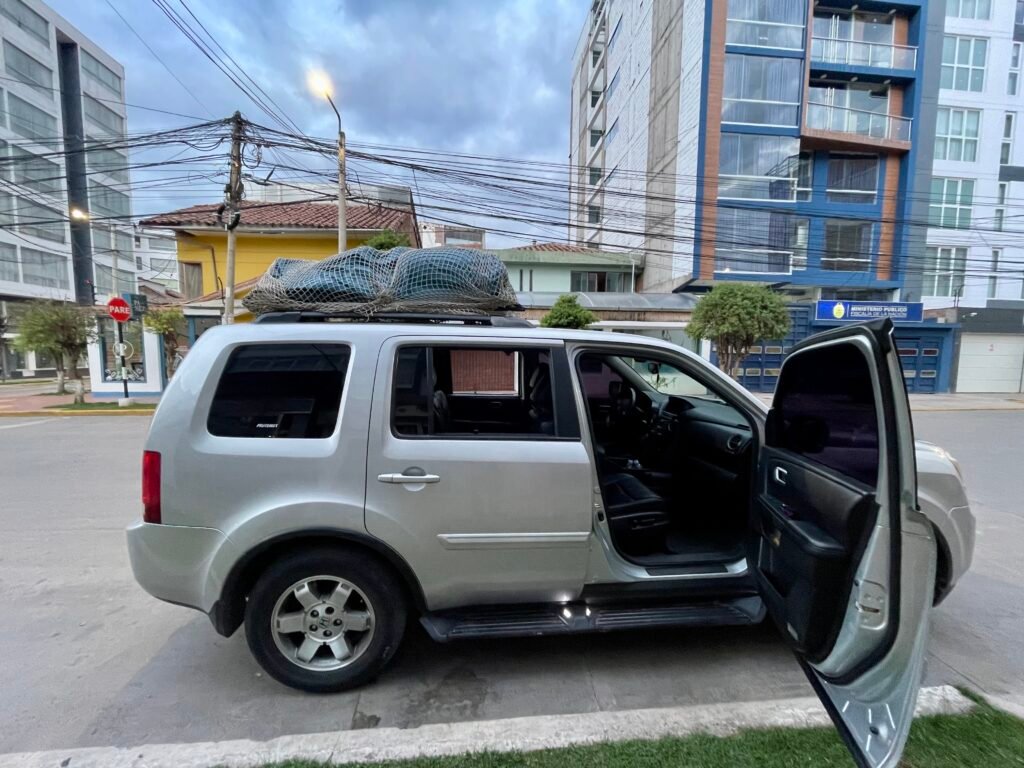
In Peru, an indicator light is a lie. It doesn’t mean “I’m turning.” It means “I’m giving you permission to pass me on this side.” If you apply Western logic to a hairpin turn on the 30C, you aren’t just missing a turn; you’re entering a high-velocity lottery with a massive drop-off as the prize.
7:00 AM: The Sensory Shift
Leaving Cusco, the air starts with the unfortunate, pungent scent of the city’s sewage treatment plants—the old adage of “waste flows downhill” made literal. For a few miles, the road is just grey pavement and industrial noise. Then, within thirty minutes, the world begins to open up.
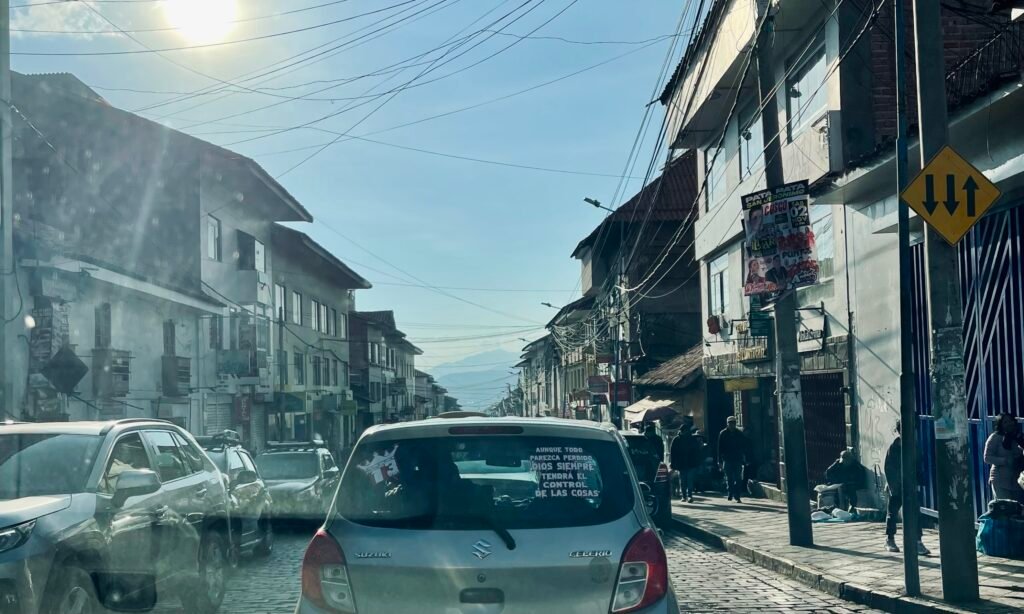
The air suddenly comes alive with the smell of wood-fired bread as local women flag down your car with plastic bags on sticks. They offer warm, doughy comfort for the climb ahead. Then comes the eucalyptus—cool, medicinal, and sharp—filtering through the windows as you pass the first major ascent.
The hillsides here are silent witnesses to history. My guides pointed out the massive, empty terracing that stretches toward the clouds, remnants of communities that were erased after the Spanish arrived. You realize then that these aren’t just mountains; they’re a graveyard of an empire.
The Rupture at Abra Pirhuayani
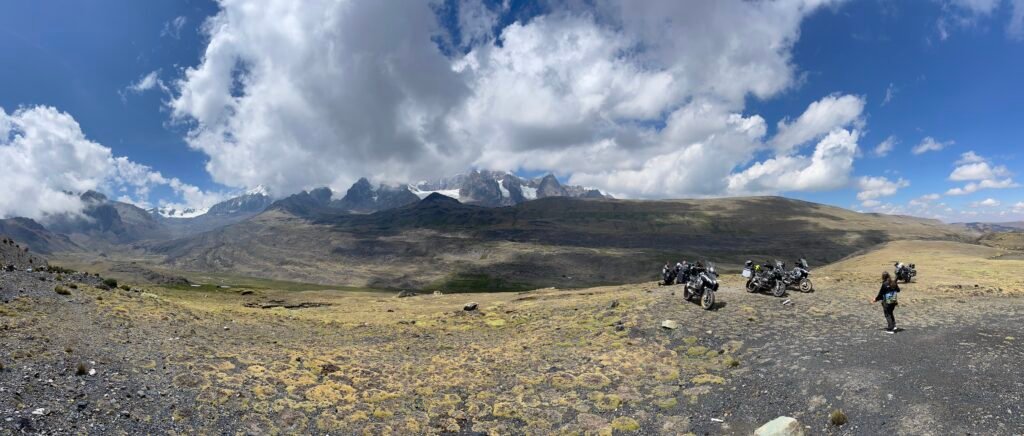
The landscape doesn’t just “change” on the 30C. It ruptures. Shortly after the turn-off at Tinki, the “Sound of Music” vistas of rolling green hills are violently replaced. The world turns into a brutal palette of brown and volcanic grey.
This is the shadow of Ausangate.
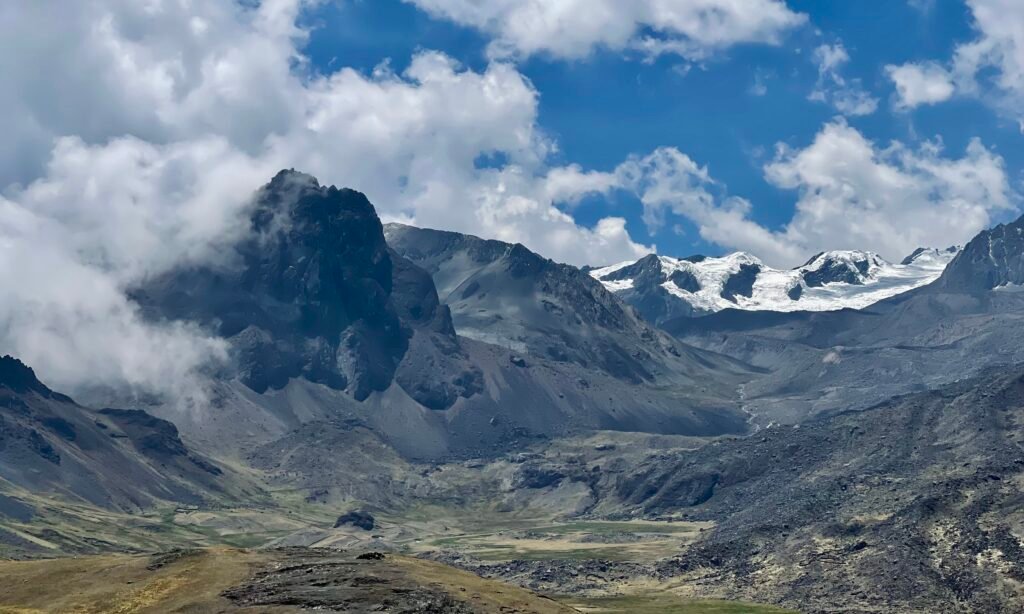
Within thirty minutes of leaving Tinki, you hit Abra Pirhuayani. At nearly 5,000 meters up, the air becomes so thin it feels like hitting a physical wall. We always carry a small can of emergency oxygen for this leg; the altitude here doesn’t just nudge you—it slams into you.
I was still wearing the cheap thermal leggings I’d bought in Tinki to survive the 4:00 AM chill of the Pacchanta hot springs and the 7 Lakes of Ausangate. It took me several trips along this route to realize that rushing through this section, was one of my biggest mistakes.
On later journeys, I stopped treating Pacchanta as a cold stopover and started staying there—soaking in the hot springs at altitude and hiking to lookouts on the 7 Lakes that the day-trippers from Cusco never reach. For an hour, everything is quiet and still. Then, you realize the 30C isn’t a road between two places. It’s a destination system in itself.
11:30 AM: The 4,000-Meter Plummet
Immediately after you crest the pass at Pirhuayani, you don’t just drive; you plummet. You drop over 4,000 vertical meters in a relentless descent toward the jungle floor of the upper amazon.
It’s a sensory assault. Your ears pop incessantly, a rhythmic reminder of the atmospheric pressure shifting around you as the mountain chill rapidly evaporates into a heavy, tropical heat.
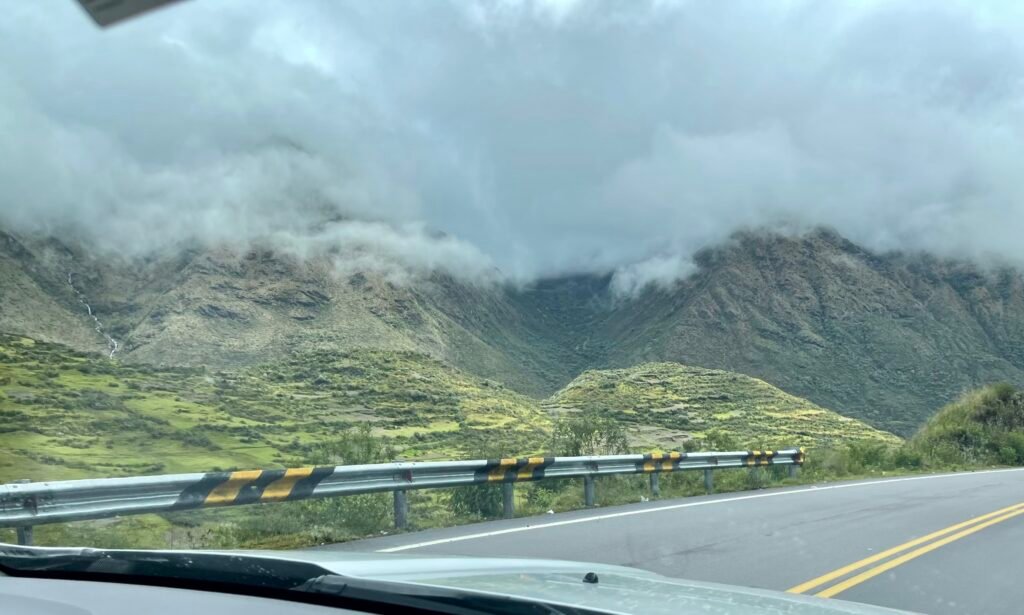
By the time we hit Quincemil, the thermal leggings were a sweat-soaked mistake. It was a frantic, ungraceful dash to a roadside bathroom to strip off the winter gear as the Amazonian humidity finally claimed us. We sat in the shade for a minute, just breathing.
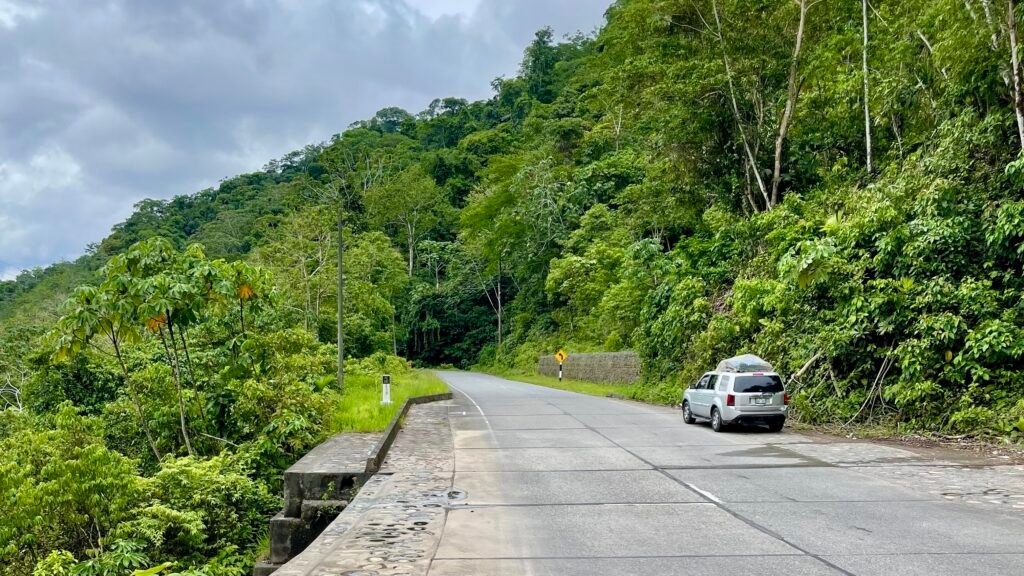
On that first trip, I saw the Camanti cloud forest as just a transition point. I was wrong again.
I eventually learned that the cloud forest lodges tucked away here—where the vegetation grows thick and the waterfalls feel like a private discovery—are the true bridge between worlds. Stopping for fresh Paco and a swim in Camanti isn’t a delay; it’s the moment the jungle actually welcomes you.
The Friction of the Road
But the 30C isn’t all postcards. To understand the Amazon, you have to witness its wounds. On one trip, our battery gave up the ghost in La Pampa—the ugliest, most scarred section of the route, where illegal gold mining has left a lunar wasteland of sand and toxic ponds.
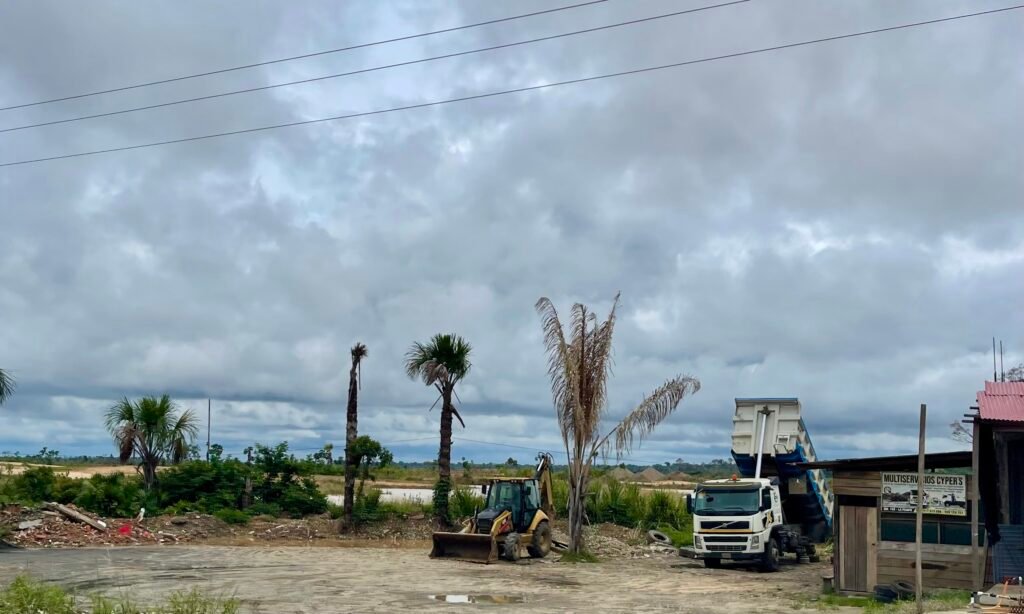
We were still on our way to the river, and the tension was high.
My mate Marco had spent so much time obsessing over the roof rack and the rest of the car’s gear that he’d completely overlooked the battery. There was no noise here except the distant sound of machinery. I couldn’t be too hard on him—he isn’t exactly mechanically minded—but there I was under the bonnet in the middle of a desecrated landscape.
I was swapping terminals while two pit bulls tried to maul a small dog that had sought sanctuary behind my legs. It was a chaotic, gritty reminder of the stakes. The contrast between the pristine, sacred waters of the 7 Lakes and the irreversible destruction of La Pampa is the heart of the 30C.
Most travel guides skip this because they don’t want you to see the scars; they just want you to see the overpriced Amazon lodge. But without seeing the destruction, you don’t actually understand the Amazon you’re trying to protect. Yet, the road saves its final trial for the return journey.
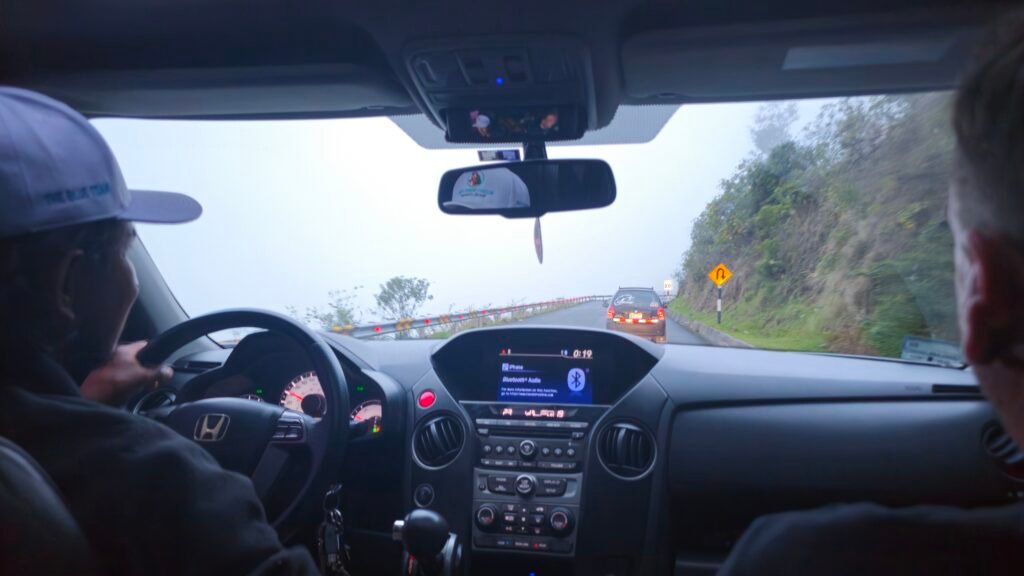
For those heading back from Puerto Maldonado to Cusco, timing is everything. If you don’t clear the lower jungle early enough, you hit the high-altitude passes around 4:00 PM just as the mist rolls in—a total whiteout that turns the hairpin turns into a steaming abyss. We’ve had to stop more than once on that return leg to help stranded motorcyclists whose engines, or nerves, had finally surrendered to the fog.
The Earned Arrival
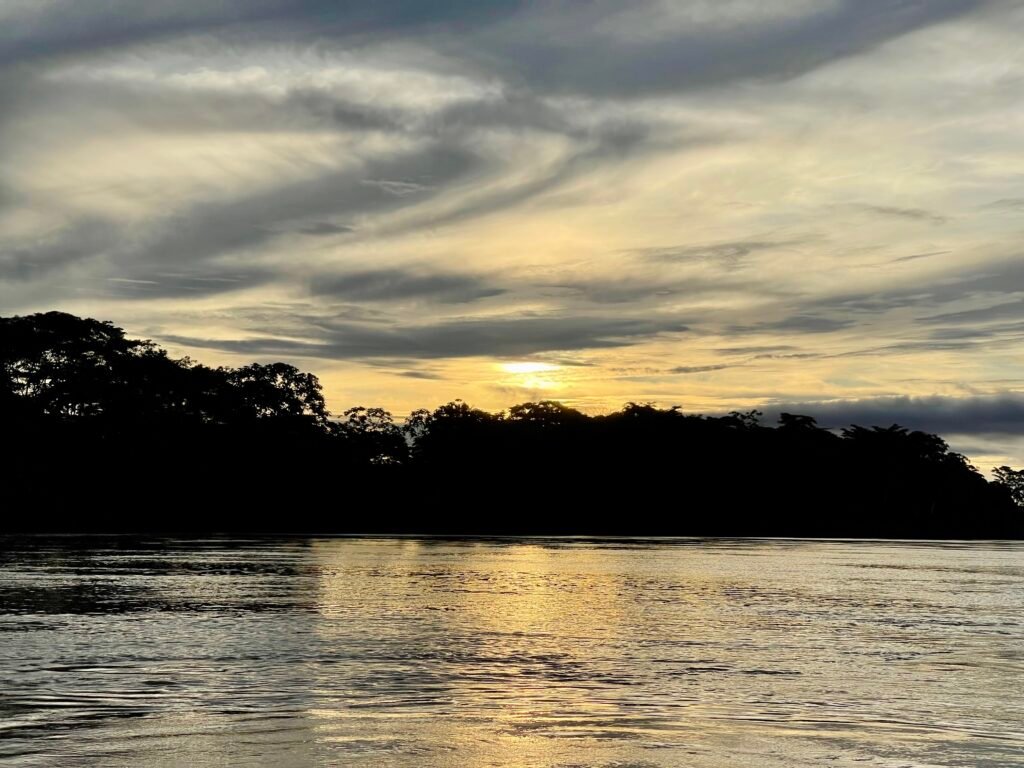
By the time we reached the bank of the Tambopata River, the car was a fossil of the journey—caked in Andean dust and streaked with the greasy humidity of the basin. We sat in the silence of the killed engine and watched the river. It moved past us with a heavy, brown indifference, carrying the silt of the mountains we’d just descended.
Most people arrive here in a pressurized tube, stepping off a plane and into a van, protected from the reality of the landscape by the speed of their transit. They see the lodge, they see the birds, and they think they’ve seen the Amazon. But they haven’t felt the air turn thin and metallic at 5,000 meters.
They haven’t smelled the wood-smoke of the high passes or the rot of the mining camps. They haven’t stood in the whiteout mist of a 4:00 PM ascent, wondering if the road beneath them still exists. When you finally step onto the boat in Tambopata, you aren’t just arriving at a destination.
You’re carrying the weight of the entire system with you. You’ve seen the beauty and you’ve seen the haunting, beautiful truth of the matter. The flight is a shortcut. The 30C is the reality.
By the time you reach the river, you’ve already crossed the part of the Amazon most people never realize exists.
See the Real Peru, Not the Brochure
The Interoceanic Highway is just one example of the logistics most travel agents never see. I’ve spent 15 years vetting routes and partners across the Andes and the Amazon. If you want a trip built on reality instead of recycled itineraries, let’s talk.