TL;DR: Most travelers should stay near Puerto Maldonado for more reliable wildlife viewing, easier logistics, and better wet-season flexibility. Deep Tambopata is only truly worth the tradeoff during peak dry season (June–October) when the macaw clay licks are consistently active.
The Distance Fallacy
The search usually begins with a map. A traveler sits at a desk, measures the gap between the concrete, mototaxi drone of Puerto Maldonado and the boundary of the Tambopata National Reserve, and assumes they’re measuring the purity of the experience. The logic seems complete: the further you travel from town, the closer you must get to untouched forest.
That’s where the trip goes wrong before it even starts.
It stems from a misunderstanding of how the rainforest is structured and how travel platforms sell it. From the inside of a thatched-roof cabin, one wall of green canopy looks exactly like another. You can pay a premium to sleep at the edge of the reserve zone, or you can stay twenty minutes outside of town, and the physical structures may look identical.
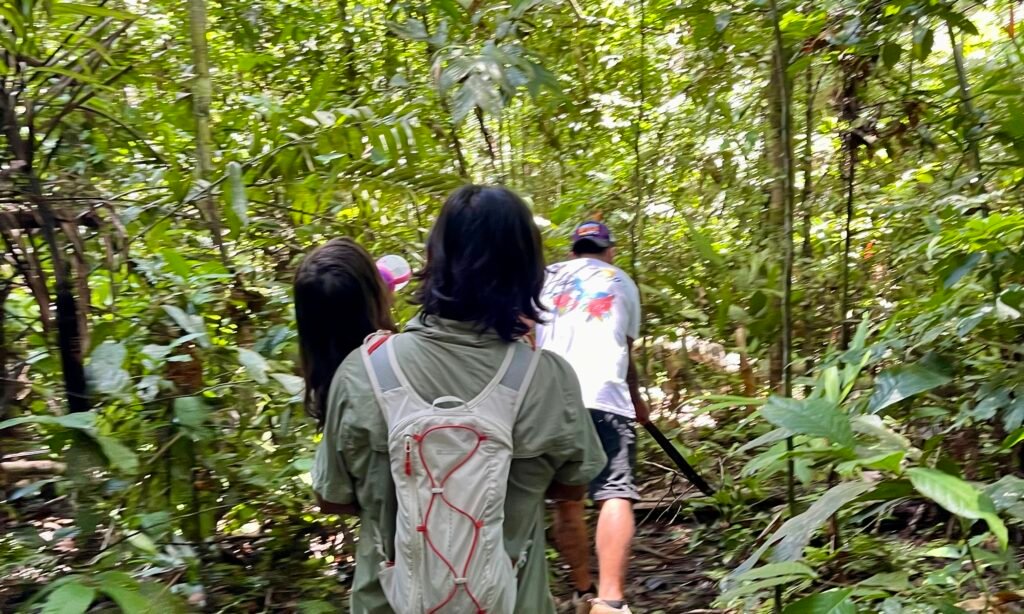
The real distinction doesn’t lie in a simple choice between town and wild. The map misleads because it flattens the landscape into mileage rather than river mechanics and seasonal realities.
Choosing where to stay along the Madre de Dios or Tambopata rivers isn’t a quest for a universal winner. When figuring out the best area to stay in Puerto Maldonado or the surrounding river basins, it’s a choice between entirely different ways of handling an indifferent environment.
The Town Edge: Access and the Rain Escape
To understand the Puerto Maldonado corridor—specifically the areas immediately up or downriver from where the rivers meet—you have to separate proximity from a lack of immersion.
A common misconception is that staying near the hub means sacrificing the classic lodge experience for an urban hotel or a basic backpacker hostel. While the town itself holds a mixed inventory of city hotels, smaller eco-lodges, and budget hostels, the immediate river corridors offer legitimate, high-end jungle isolation right on the town’s doorstep.
Heading 45 minutes downriver along the Madre de Dios brings you to premium eco-luxury operations like Inkaterra Reserva Amazónica or Hacienda Concepción. These properties sit surrounded by primary forest and hundreds of inventoried bird species, yet remain explicitly anchored to the town’s immediate logistics network.
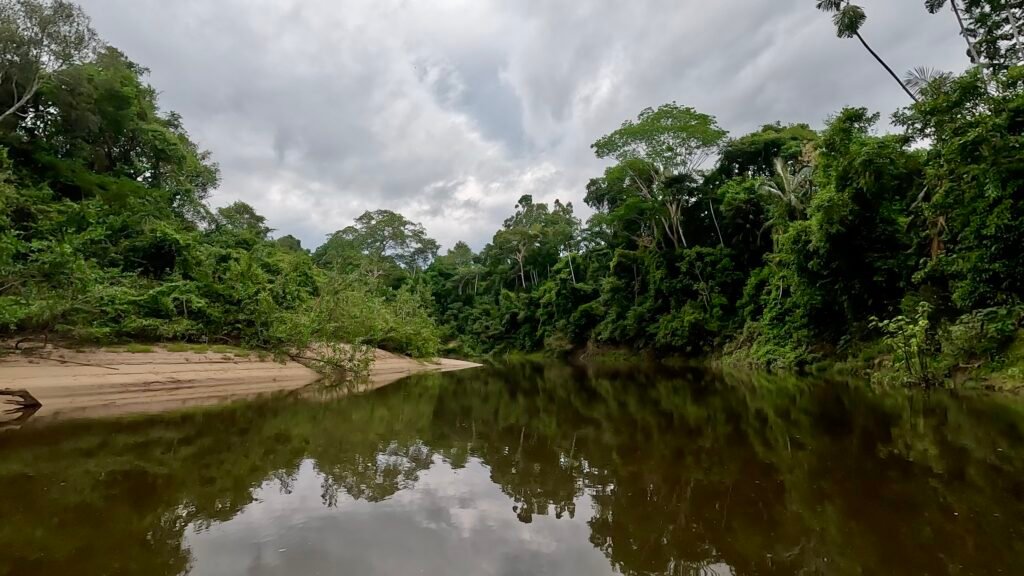
If you use these closer river bends or the Madre de Dios downriver corridor as your Puerto Maldonado Amazon tours base, staying within range of the town center works exceptionally well if you want reliable, steady wildlife viewing. From these launch points, you get quick access to the older oxbow lakes like Sandoval, Yacumama, and Valencia.
These are stable systems where the primary forest comes right down to the water’s edge. Here, the wildlife stays put. Hoatzin birds clamber through the trees and caimans track the margins whether the skies are open or clear.
There’s also a plain physical reality to staying within range of town: dealing with the weather.
When a massive Amazonian downpour hits, the jungle floor turns dangerous. The canopy becomes heavy, and massive branches drop without warning. An experienced guide will immediately cancel a forest walk under these conditions.
If you’re isolated deep near the reserve, a cancelled walk means you’re stuck in a rustic common room, watching the rain leak near a broken toilet, waiting for a generator to turn on. Closer to town, you have choices.
When the jungle locks down, you get in a boat or a tuk-tuk and head into Puerto Maldonado. You’re no longer trapped by the canopy; you can find food like juane or tacacho, explore a regional bar, or see the actual human life of a local festival. It’s a way of traveling that accepts the jungle in shifts.
The drawback here isn’t the forest itself; it’s the messiness of the transition on specific properties. This is the part most people underestimate on their first overland transfer.
If an eco-lodge lacks direct river frontage on the main Tambopata or Madre de Dios rivers—a reality for several cheaper properties tucked just behind the tree lines—you lose the option to bring guests directly to the property by boat.
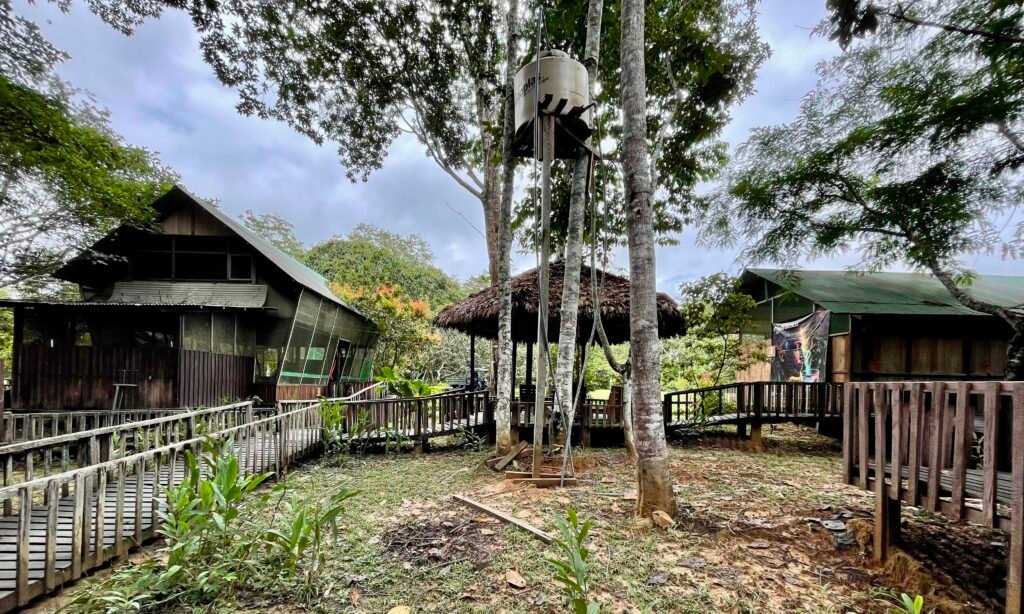
Instead, getting there requires crossing the river, piling into the back of a tuk-tuk, passing a remote police outpost, and stopping four or five times to open and close barbed-wire gates across active cattle pastures while cows watch you pass.
It feels strange to look left and see old-growth canopy and look right to see livestock. If you want a perfect, unbroken illusion of total isolation from the second you land, that friction will ruin the trip.
The Reserve Deep: The Premium of Surrender
As you push upstream along the Tambopata River toward the reserve zone, the journey changes. You’re committing to a specific set of logistics. When breaking down the Tambopata jungle lodge vs town hotel dilemma, the upstream lodges are generally more rustic, more expensive, and entirely reliant on the river.
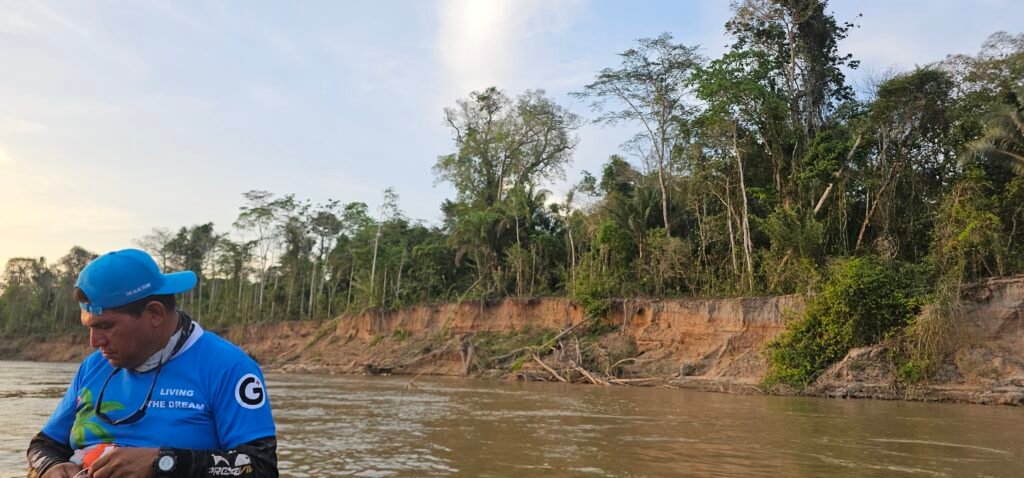
If a lodge requires a long overland haul away from the water to reach its cabins, the daily rhythm breaks. Life in the Amazon occurs on the water; if you lose immediate river access, you lose the pulse of the place.
Deep Tambopata works for one specific goal: the massive clay licks, like Colpa Chuncho.
When the timing’s right, nothing matches it. You wake up in the dark, the air thick and cold, and sit on a riverbank as the dawn light filters through the mist, waiting for hundreds of macaws and parrots to land on the clay licks. It’s a raw spectacle that the lake systems closer to town can’t mirror.
There’s a distinct weight to this kind of isolation. When you’re hours upriver, the hum of the modern world disappears completely.
For travelers who want to surrender to the forest—to experience the total, heavy silence that comes when the generators click off at night—the reserve corridor offers a sense of scale that town-edge lodges can’t provide. You gain the profound quiet of a vast, unbroken river system, though you give up the structural flexibility of being near the hub.
But this isolation’s a gamble, and the house often wins if you haven’t checked the calendar. Staying deep in the reserve means paying higher prices for fewer comforts. There’s no air conditioning, the Wi-Fi’s patchy at best, and you’re entirely dependent on the culture of your specific lodge.
You’re betting your entire itinerary on the hope of a singular wildlife encounter. If that encounter doesn’t happen, the isolation starts to feel less like a retreat and more like an administrative error.
The Seasonal Trap: When the Clay Licks Go Quiet
The flaw in relying on automated advice, generic blogs, or forum members who’ve only visited the Amazon once for two days is that they treat the jungle like a static theme park. They tell you the reserve zone is the ultimate destination without looking at the weather patterns or asking if Tambopata is worth it out of season.
The region’s calendar is highly polarized. From June through October, the dry season drops the river levels, making water navigation predictable, and food sources deep in the forest tighten. This ecological pressure is exactly what forces the macaws onto the clay licks with aggressive consistency.
But this reliability introduces a different kind of friction: occupancy spikes, lodge prices peak, and you’ll be sharing the riverbanks with multiple boatloads of travelers who all timed their trips for the exact same clarity.
The wet season completely rewrites these patterns. Out of season, the food sources in the forest shift, and the macaws alter their diet, and clay lick activity becomes far less reliable. Even the shoulder seasons are a heavy gamble.
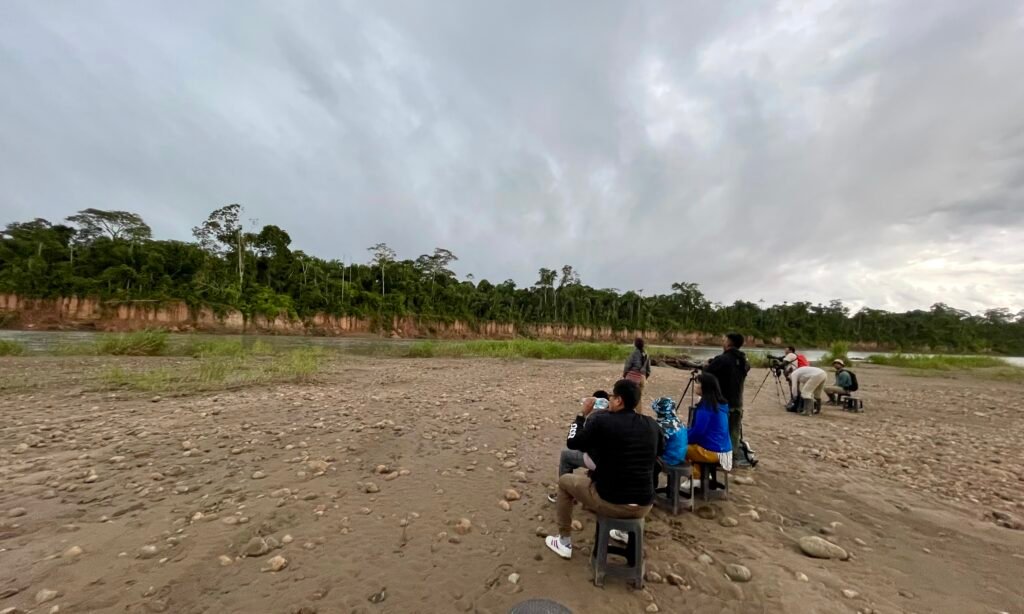
Yet, boats from high-priced lodges still load up tourists at dawn because the itinerary says so. You sit in the gray drizzle, surrounded by other travelers in identical plastic raincoats, staring at an empty mud bank. Not a single bird shows up. Then the sky truly opens, the river swells, and you take a silent, soaking boat ride back.
I consistently watch the logistics fail on deep-reserve lodges that lack secondary road connections during the wet season. This is a predictable outcome. When the rivers rise, they carry massive debris that blocks access to the ports, stalling, delaying, and diverting supply shipments.
When you get back to the lodge, the infrastructure often follows the weather. The solar grids drop, the Wi-Fi goes dark, and the bar runs out of cold beer. It exposes how disengaged deep jungle operations become during the low months.
The guide who promised an amazing morning becomes suddenly scarce, retreating from a group they know they can’t satisfy. You’re left sitting in a dark room, waiting out the humidity, while a local friend has to hitchhike downriver to the tiny shops at the Filadelfia docks just to forage a few warm cans of Pilsen to keep the morale from bottoming out.
If you travel during these low or shoulder months, forcing a trip deep into the reserve because a blog post told you to is an exercise in frustration. Out of season, the lake systems near Puerto Maldonado offer a far more reliable baseline of wildlife and comfort than an empty clay lick miles upriver.
The True Pivot: The Guide Matters More Than the Mattress
This brings us to the most critical, unmarketed truth of the region: The mattress doesn’t find the wildlife. The guide is the entire experience.
The travel industry spends millions attempting to convince you that luxury structures or geographic coordinates dictate the quality of a trip. They want you to look at the thread count of the sheets or the park boundaries.
One of the recurring problems in Peruvian tourism—especially in high-volume destinations—is that confidence often gets mistaken for expertise. It is expertise as theater instead of expertise in real life.
Tourists who don’t know any better fall for the performance every single time, missing the fact that an indifferent guide at an exclusive reserve lodge will walk you past a jaguar track without seeing it, hustle you through a trail while giving a rehearsed speech on tipping, and vanish the second it rains.
Conversely, a master guide operating in a patch of forest just outside Puerto Maldonado can transform a quiet walk into something rare. This is why my role over the years has shifted entirely toward tracking, vetting, and interacting with these operators over time to isolate the real jungle guides from the actors.
Take a guide like Percy. On a quiet afternoon trail along or near the river loops, the forest might look still and empty to an untrained eye. A guide like Percy doesn’t look for flashy spectacles; he reads the subtle details of the bush.
He stops, reaches up, and pulls down a wild flower that looks like a bird of paradise. He doesn’t launch into a rehearsed speech about Latin names. Instead, he splits the stem and places it over his nose, showing how the local children in the forest use the petals to imitate parrot beaks when they play in the villages.
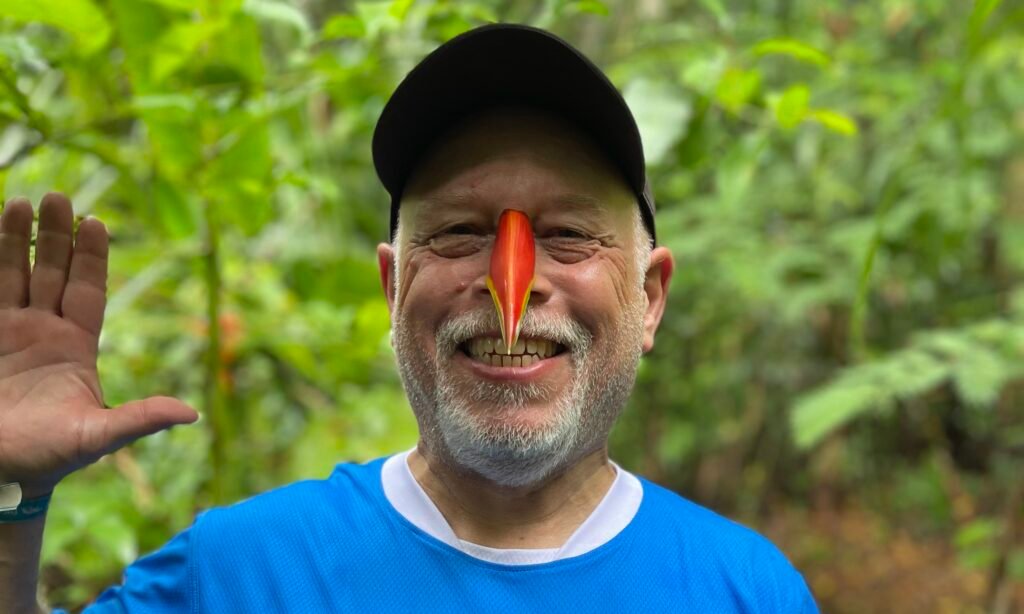
In that single moment, the forest stops being a backdrop for a vacation and becomes a living history. That’s the difference between a guide who’s performing a job and one who actually knows the land. A good guide can spot the motionless shape of a sloth across a wide river channel; an indifferent guide will steer the boat right past a caiman on the bank because they’re looking at their watch.
The Amazon Doesn’t Care What You Book
There’s no universal winner in the choice between Tambopata and Puerto Maldonado, because the environment doesn’t care about tourist preferences. For most travelers, the decision comes down to reliability vs isolation, not distance. To choose correctly, you have to look at what you’re actually willing to prioritize.
The Operational Verdict
- Choose the Puerto Maldonado Corridor if you want reliable wildlife viewing around stable lake systems (Sandoval/Yacumama), seasonal flexibility, and a way to escape into local food and culture when the weather turns bad.
- Choose Deep Tambopata if you want total visual isolation, are traveling during peak season for the clay licks, and are completely fine giving up modern comforts and structural choices for the deep rhythm of the river.
The Amazon won’t bend to your itinerary. If you head deep into the reserve out of season expecting a nature documentary, you’ll likely find yourself sitting in the rain staring at empty mud.
If you stay near town expecting untouched, silent isolation without the sound of a distant boat engine or the sight of a cattle fence, you’ll feel cheated. Instead, balance your expectations with the time of year you are traveling, and find a guide who reads the forest rather than the tipping guidelines.
Don’t Guess Your Amazon Itinerary
Between flooded river systems, unreliable transfers, seasonal wildlife shifts, and wildly inconsistent lodge quality, planning a trip to the Peruvian Amazon is harder than most travelers expect. Build your itinerary around real operational experience instead of brochure marketing.