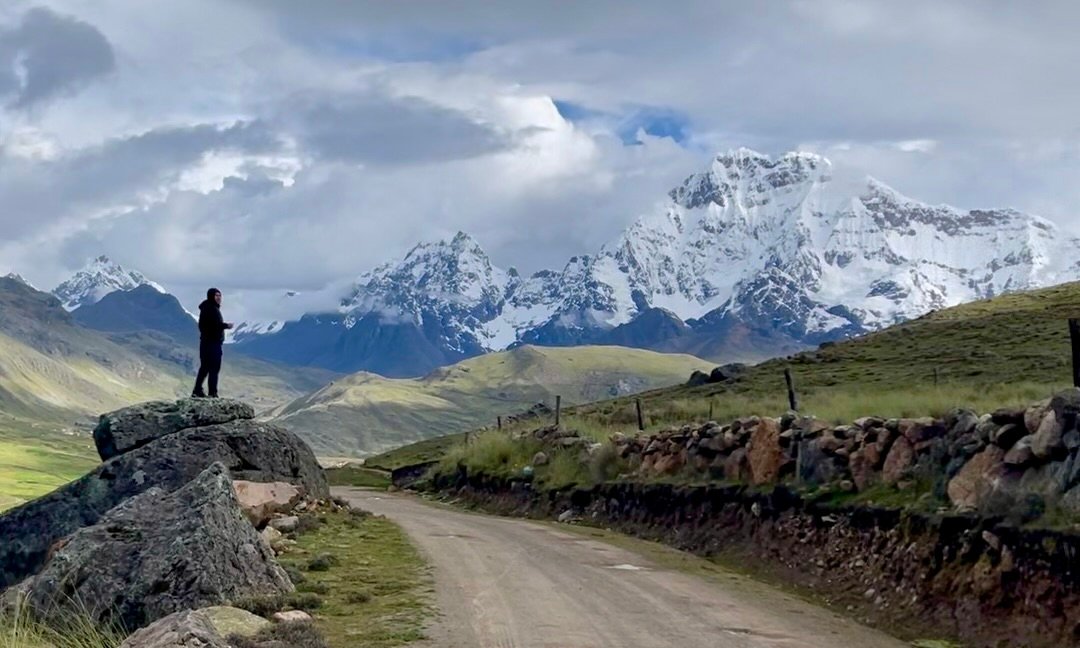
Most travelers treat Peru as a single destination. It isn’t. Peru is three distinct travel experiences stacked on top of each other: the desert coast, the high Andes, and the Amazon basin.
Having spent years traveling, living, and working my way across Peru, I’ve learned that understanding this verticality is the difference between a trip that flows and one spent fighting the country’s geography. From sea level in Lima to 5,000-meter Andean passes and the humid lowlands of the Amazon, every region demands a different approach.
I’ve organized this guide around the regions that matter most to travelers. Each presents a completely different set of challenges, opportunities, climates, and travel styles.
Where Should You Go?
Lima & the Central Coast
Best for history, museums, food, and understanding Peru’s broader story. Lima is the historical anchor of the country.
Understanding the coastal civilizations that preceded the Inca provides valuable context for many of the sites you will later encounter in the Andes.
Cusco & the Andes
Best for mountains, trekking, Inca history, and high-altitude adventures. The Andes are a challenging, high-altitude environment where success requires a realistic approach to travel times and physical exertion rather than the aggressive schedules sold online.
Trujillo & the North Coast
Best for archaeology, surfing, and seeing a side of Peru most visitors miss. The north holds some of the oldest and most significant archaeological sites in the Americas, including the world’s largest adobe city, Chan Chan.
Tambopata & the Amazon
Best for wildlife, rainforest experiences, and independent travelers seeking something beyond the classic Peru circuit. Success here depends on seasonality and the quality of your guide rather than the superficial “petting zoo” expectations sold by generic platforms.
Getting Between Regions in Peru
Most travelers underestimate the scale of Peru. The distance between regions is not just geographic—it is climatic, logistical, and psychological.
These routes are where that shift becomes visible.
- Cusco to the Amazon: Why a Boarding Pass is No Way to See Peru
- Lima to Trujillo: The Northern Coast Overland Route
Planning Your Peru Trip
Planning in Peru means accepting that schedules, travel times, and official advice don’t always align with reality. Between la hora peruana, transport delays, ticketing restrictions, and constantly changing local conditions, a good itinerary isn’t just about where you want to go—it’s about what is realistically achievable.
- 10–14 Day Peru Itinerary
- Cusco vs. Lima
- Travel Insurance & eSIMs
- Airport Transfers
Practical Peru
Moving through a vertically structured country requires understanding the nuts and bolts of daily life. These resources cover the essential realities of staying safe and compliant while you travel.
- Safety in Peru
- Tourist Scams to Avoid
- Money, Payments & Tipping
- Visas & Staying Longer in Peru
Custom Peru Trip Planning Service
AI tools and generic travel aggregators scrape information from the internet, but they cannot offer accountability. If a route is unsafe, a “day trip” is physically impossible, or a tour package is a bad investment, I will tell you that from the outset. I can help you design itineraries that function within the constraints of Peru’s geography, ensuring your trip is based on reality.
Need help turning this into a real Peru itinerary?
Planning Peru is rarely just about choosing destinations — it’s about understanding distance, altitude, transport reliability, and how the coast, Andes, and Amazon actually connect. If you want a fully structured, realistic itinerary based on how the country works in practice, I can design the entire route for you and handle the logistics.