Whether you’re taking the bus along the Pan-American Highway or renting a car to drive between Lima and Trujillo, you’re hitting one of the most starkly beautiful corridors in South America. Most travelers treat the distance between the capital and the Moche ruins as a simple matter of transit. If you treat it that way, you’re missing the point of the coast.
Huarmey is often referred to locally as the “City of Cordiality.” It isn’t a destination that screams for your attention with manicured resorts or aggressive tour touts. It’s a quiet, working town that feels comfortable in its own skin. If you’re willing to pull over for a night or two, you’ll find that the coast here doesn’t just offer a view—it offers a reason to actually stop.
Huarmey at a Glance
- Location: North-Central Coast, Peru
- Transit Time: 3.5–5h from Lima; 5.5–7h from Trujillo
- Ideal Stay: 2+ Nights
- Top Activity: Swimming at Playa Tuquillo
- Key Site: Castillo de Huarmey (Wari)
- Best Season: December–March (Summer)
- Vibe: Raw, working town; quiet, unpolished, beautiful
Is Huarmey worth visiting?
Huarmey is worth visiting if you are looking to trade the “transit” mentality for a grounded coastal experience. It is the right call if you want to see a side of Peru that isn’t polished for mass tourism.
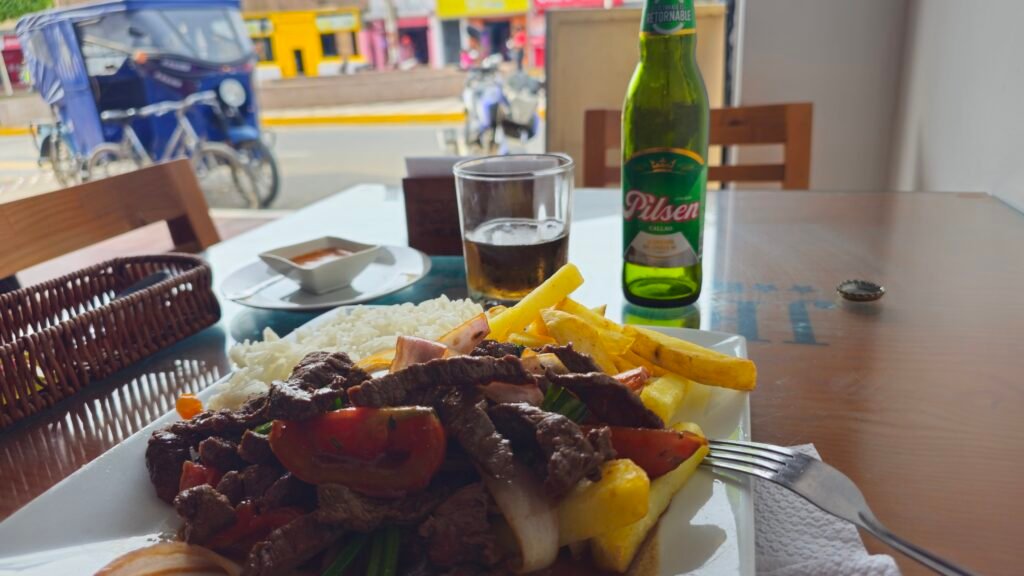
You’ll value the high-quality ceviche and want to spend time on beaches that feel like they belong to the locals. It isn’t the right fit if you are looking for high-end resort amenities or a heavy nightlife scene. You should also look elsewhere if you want a place where everything is digitized for a quick social media post.
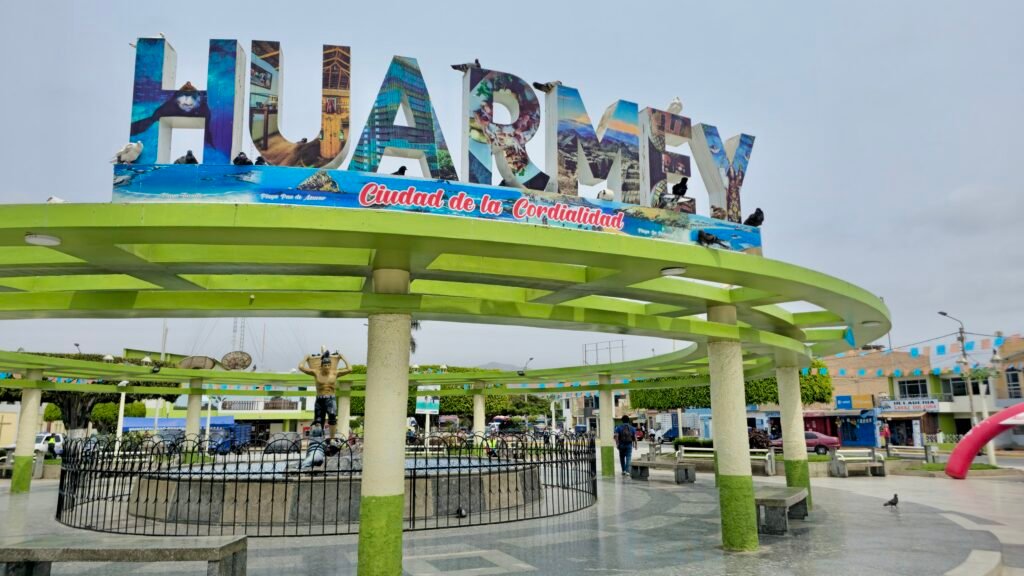
Why most people miss the point
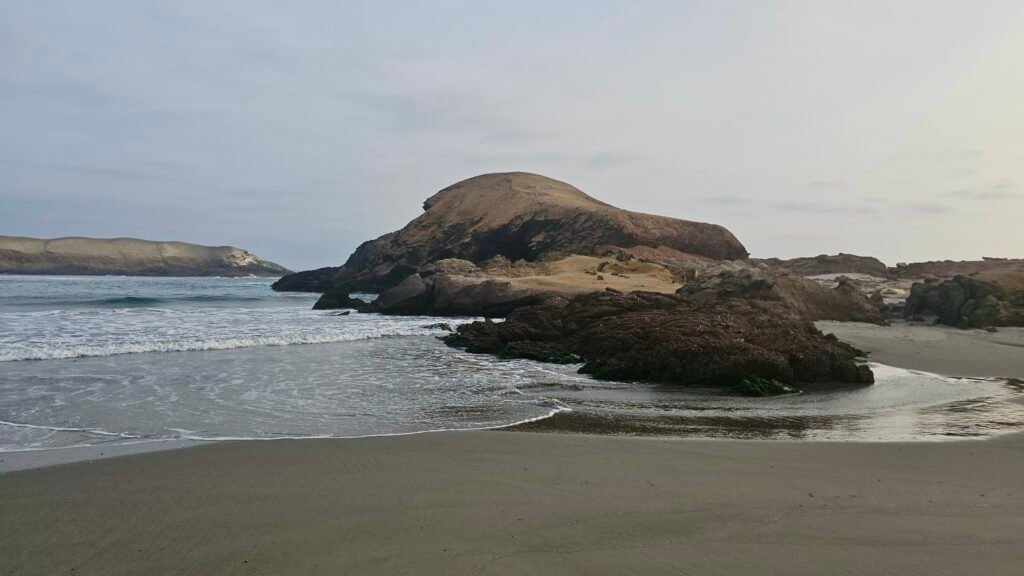
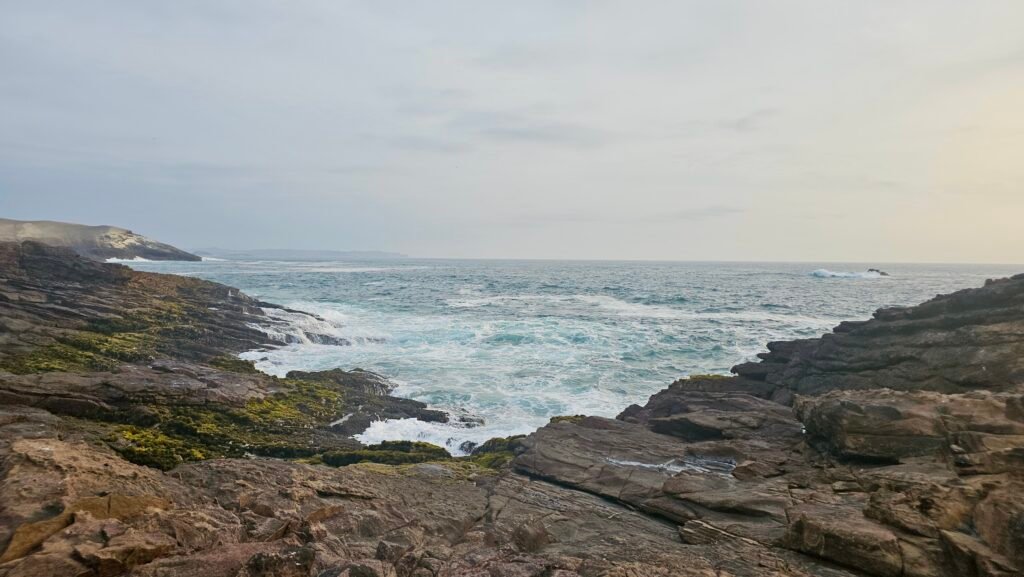
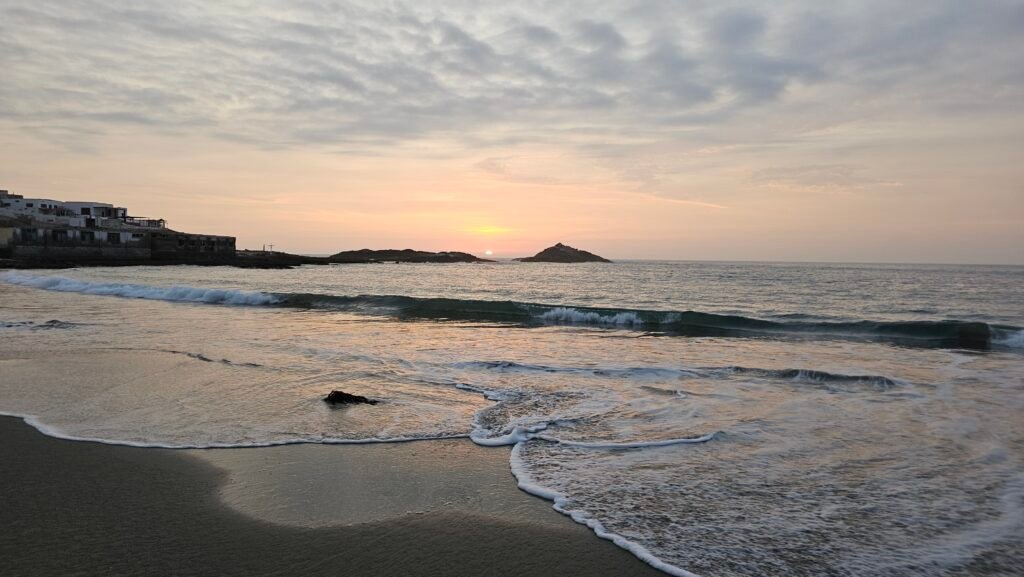
It is easy to see why Huarmey gets overlooked. Most people assume the coastal water in this part of Peru is consistently frigid and grey. However, the way the coast curves here creates sheltered coves like Tuquillo where the water is calm and strikingly emerald-green.
Even for those who do stop, Huarmey is often relegated to a quick 30-minute lunch break. By the time they realize the coast is actually beautiful, they are already back on the bus, watching the desert blur past again.
If you show up expecting a Paracas-style bubble of tourism infrastructure, you will be disappointed. That lack of polish is exactly why the town has stayed quiet while other coastal spots have been turned into circus acts. Huarmey is raw and functional, and that is its biggest strength.
Pro Travel tip: You can can walk or bike to the nearby archaeological sites. For the beaches, just have your accommodation arrange a local taxi for you, and get their whatsapp number so you can call them for the return journey. The tuk-tuks won’t take you to the beach because they need to cross the freeway, but local cars and drivers are readily available.
Things to do in Huarmey
While the town is a stopover, you’ll need a plan to fill your two days. Dedicate a full day to beach hopping, starting at Playa Tuquillo to experience the best water.
In the afternoon, shift to the quieter Playa La Pocita or explore the wilder stretches like Maracaná and Antivito. Note that these are a 15–20 minute taxi or car ride from town.
Dedicate your morning to the Castillo de Huarmey. As a massive Wari mausoleum, it’s one of the most significant archaeological finds in recent years. You should check with local tourism offices regarding current site access, as research and excavation can occasionally restrict entry.
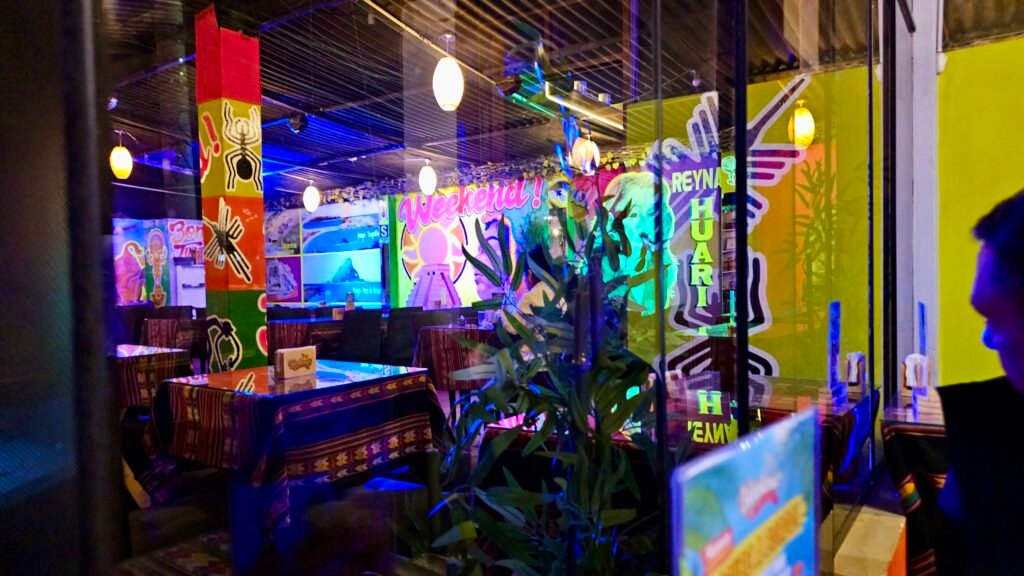
For your evenings, explore the local food scene. Grab a drink at Weekend Huarmey or Pillku Rooftop and settle into the local pace. If you only do one thing, make the trip to Playa Tuquillo; it is the definitive coastal experience here.
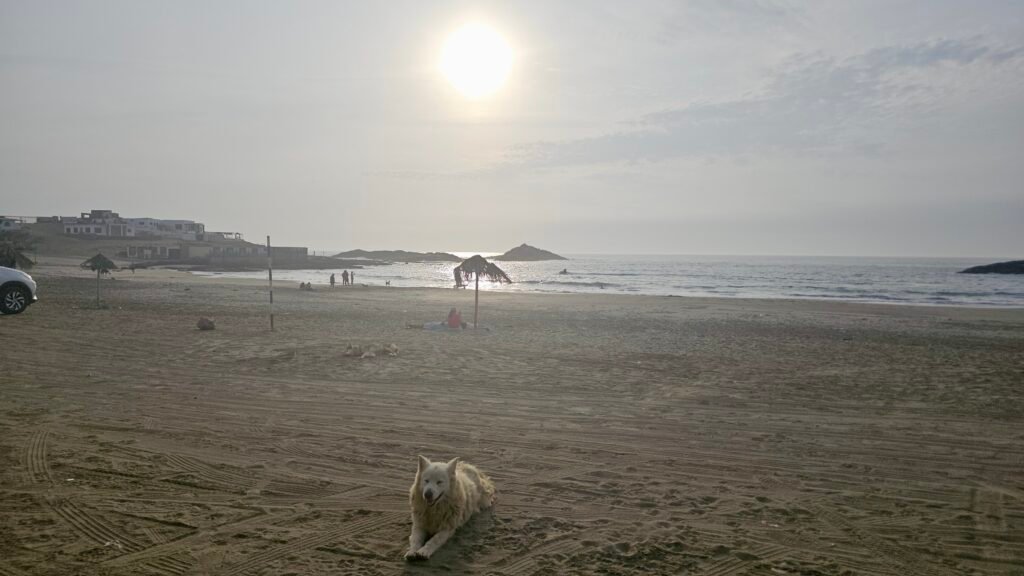
Pro Travel Tip: Beach dogs in Peru are friendly during the day when their owner is around. But at night, they become guard dogs. Dave found this out the hard way in 2024 when he wandered off alone. Don’t just assume a dog that is friendly during the day on the beach, will be so friendly at night when it’s guarding the entrance to its owner’s house or business.
How Huarmey compares
Paracas is structured, polished, and tourist-focused. Huarmey is the opposite—raw, unrefined, and local.
Similarly, while Huanchaco is a backpacker and surf hub with a dense social scene, Huarmey is much quieter. It’s geared toward those who want solitude rather than a party. If you want a more energetic destination, consider Huacho (south) or Huanchaco (north).
Two days: The sweet spot
You can technically see Huarmey in a day, but that’s a mistake; you’ll just be trading one bus for another. Two nights allow you to switch your brain out of transit mode.
Use your morning for the Castillo de Huarmey to beat the heat. Use your afternoon for the Tuquillo shoreline, and your evening for a relaxed dinner and a drink.
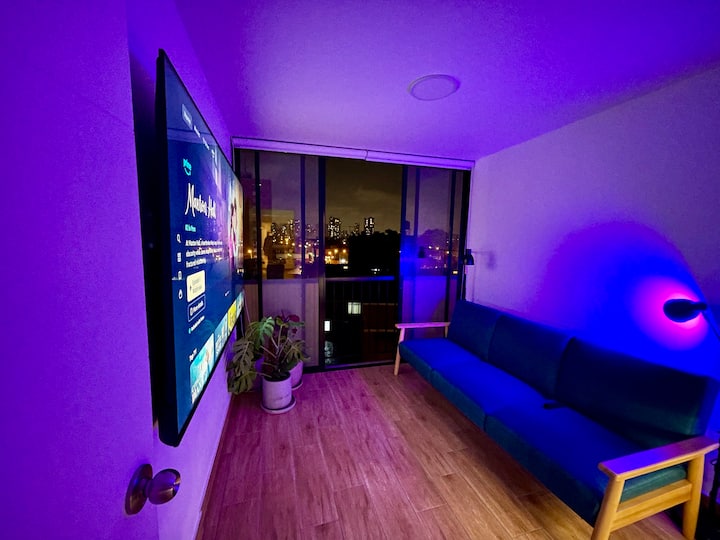
For your base, stay near the main square if you are doing a one-night transit. Hotel & Restaurante Jessica is functional and works perfectly for this—though I’d suggest heading across the road when you’re ready for better food options.
If you are staying for two or three nights, prioritize the small, family-run guesthouses near Tuquillo or La Gramita. Most of these spots run on a human schedule and aren’t always synced with the big global booking platforms. Sometimes, the best way to secure a room is to just have a conversation and show up.
Logistics and getting to Huarmey
Getting here is straightforward. Buses running the Lima–Trujillo corridor pass through Huarmey constantly.
The trip from Lima takes 3.5 to 5 hours, while the trip from Trujillo takes 5.5 to 7 hours. Book a ticket for the Lima-Trujillo route and be explicit with the driver when boarding that you are getting off at the Huarmey terminal.
Confirm your stop with the driver twice, as bus announcements can be non-existent or difficult to hear over engine noise. If you are driving, you have the advantage of mobility; the highway is simple, and you won’t need a 4×4.
Huarmey is generally safe for travelers who use standard city smarts. As with anywhere on the Pan-American corridor, stick to populated areas at night and use official transport.
The area is stable, but like any town off a major highway, vigilance is your best accessory. Summer (December to March) brings the warmth and clear skies perfect for beach days. Spring and Autumn are milder and quieter, which is better if you prefer exploring the town and archaeological sites without the peak heat.
Frequently Asked Questions
- How long should I stay in Huarmey? Two nights is the sweet spot. Anything less feels like a rushed stop; two nights let you properly experience the coast.
- Is Huarmey safe for tourists? Yes, provided you use standard urban precautions. It is a stable, working town, not a high-risk area.
- How far is Huarmey from Lima? It is approximately 3.5 to 5 hours by bus, depending on the service quality and traffic.
- Can you swim in Huarmey beaches? Yes. Playa Tuquillo and La Pocita are particularly well-suited for swimming because the reefs create calm, protected bays.
- What is Huarmey known for? It is best known for its “City of Cordiality” nickname, its significant Wari archaeological findings (Castillo de Huarmey), and some of the best emerald-water beaches on the northern coast.
Final Verdict: Should you visit Huarmey?
Huarmey is the ideal tactical stop for any traveler moving between Lima and Trujillo. It provides a necessary recovery window from the long highway transit without the crowd density of major cities.
You should visit Huarmey if you value coastal atmosphere and authentic local food over mass-market tourism. Or if you want pristine beaches and to explore some of Peru’s best coastal coves.
Don’t Gamble on Your Huarmey Stop
Huarmey isn’t for mass tourism—which is exactly why it’s worth stopping. If you want to move beyond the surface and truly experience Peru’s north coast, the food, and the history that matters, I can help you lock in a real itinerary. Let’s make sure you aren’t just another traveler rushing past.