Huanchaco isn’t a beach resort; it’s a working surf town that happens to sit next to one of Peru’s most important archaeological regions. I first visited Trujillo in 2007, basing myself in the colonial city center and taking day trips to the coast.
It wasn’t until 2024, when I traveled with a friend Dave from Lima to Trujillo—a key leg for anyone mapping out the Lima to Trujillo overland route—that I shifted my base to Huanchaco. I’ve returned several times since, and I now choose Huanchaco every time I’m in the region.
Since 2007, the town has grown significantly, stretching further along the coast with new builds that follow a traditional Peruvian level-on-level style. This guide is part of my Northern Peru overland series, designed to help you navigate the coast between Lima and the northern archaeological ruins.
Huanchaco at a Glance
- Location: La Libertad Region, Northern Peru (near Trujillo)
- Transit Time: ~15–20 min from Trujillo / ~10 min from airport
- Ideal Stay: 3–5 Nights
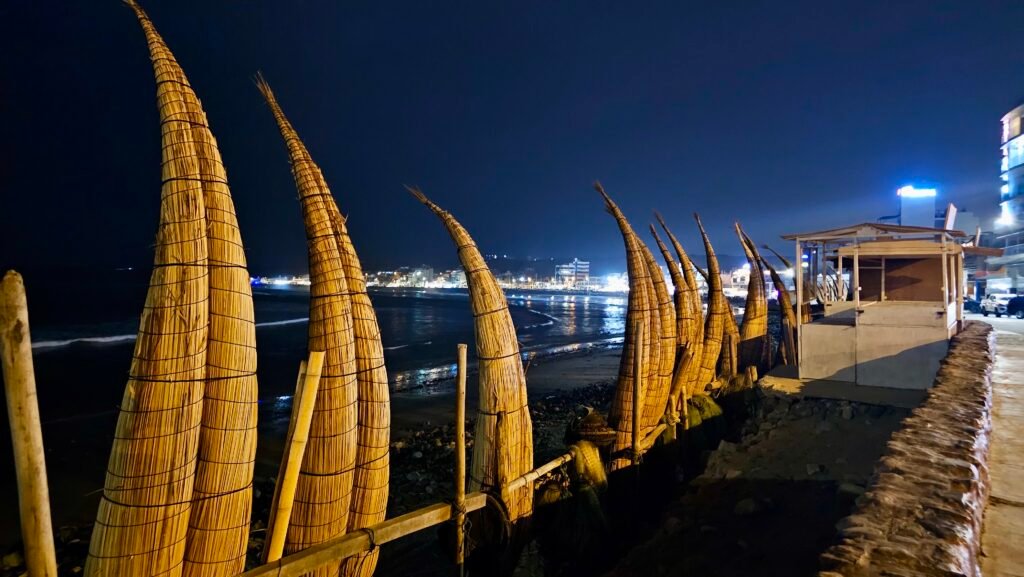
- Top Activity: Caballitos de Totora at sunrise & Malecón sunsets
- Key Sites: Chan Chan, Huaca de la Luna, El Brujo
- Best Season: Dec–Mar (warmest & most social) / Apr–Nov (quieter surf season)
- Vibe: Authentic surf town with local life, strong surf culture, and a relaxed coastal rhythm
Should You Stay in Huanchaco or Trujillo? (Best Base Explained)
Most travelers arrive with the assumption that Trujillo is the mandatory base and Huanchaco is merely a day trip. In practice, I’ve watched many travelers reverse this once they arrive, finding the coastal rhythm more sustainable than a city base.
- Stay in Trujillo if: Your focus is strictly on colonial history, markets, and traditional arts. Trujillo is a sophisticated, cultured environment that avoids the chaotic honking you find in Lima or Cusco.
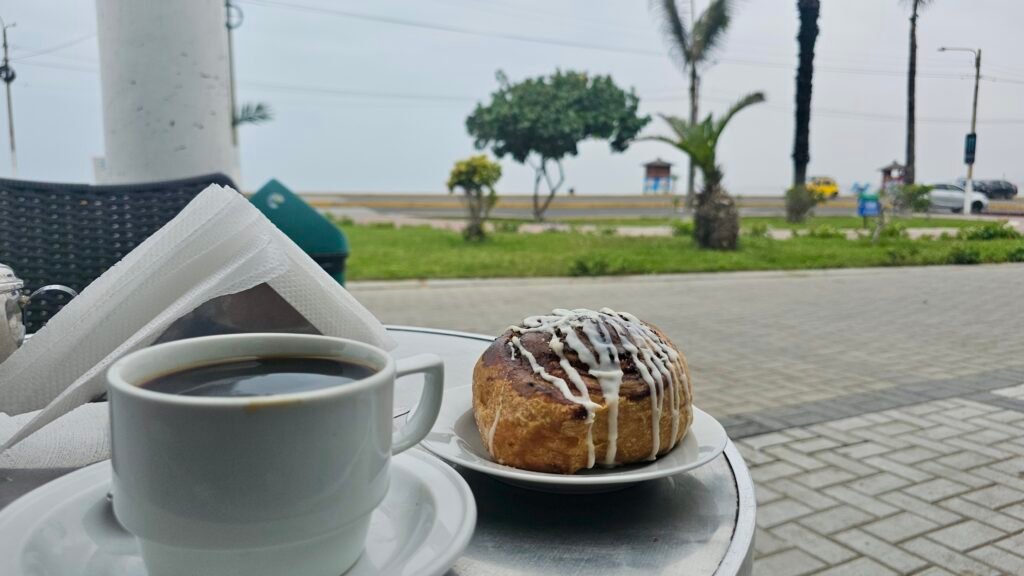
- Stay in Huanchaco if: You prioritize a relaxed, surf-adjacent lifestyle. I base myself in the Punta Huanchaco area for its youthful, calm vibe—a mix of European surfers and local life where breakfast happens by the water and the night ends with the sound of the Pacific.
Is Huanchaco Worth Visiting?
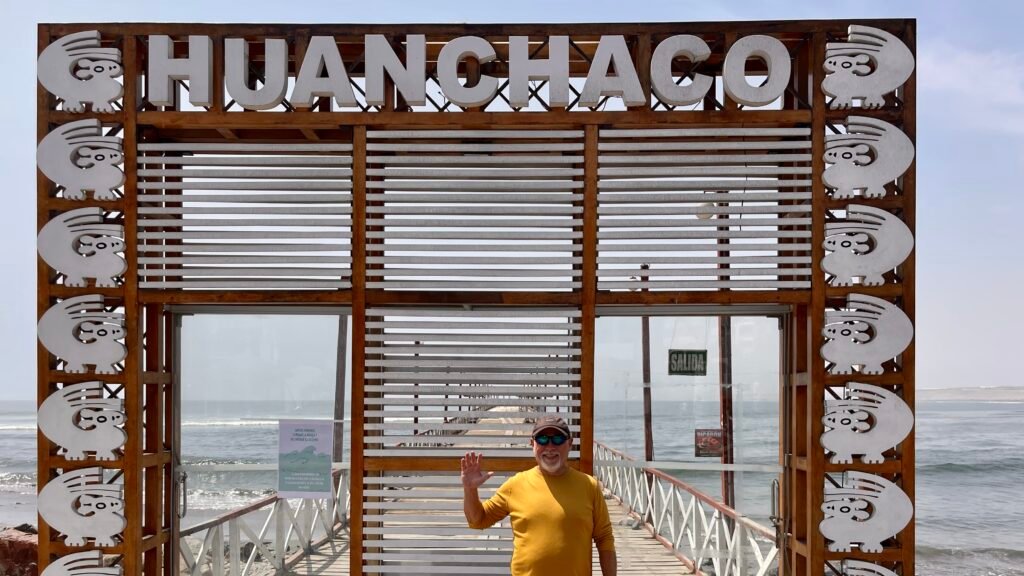
The question isn’t whether Huanchaco is worth visiting, but whether it matches your travel style. If you’re looking for a sterile, resort-style beach experience, you’ll find Huanchaco—a genuine, lived-in surf town—underwhelming.
What surprised me most, however, was the contrast between the quiet mornings and the evolved nightlife. I expected a sleepy surf village, but the town pumps on weekends and during the summer.
If you’re looking for social energy, you’ll find it in Huanchaco. If you want a place to anchor your trip that offers genuine coastal character, easy access to major archaeological sites, and a consistent atmosphere, Huanchaco is the superior base.
Best Things to Do in Huanchaco
Huanchaco rewards those who don’t rush. You don’t need a frantic itinerary here; the value is in the slow pace.
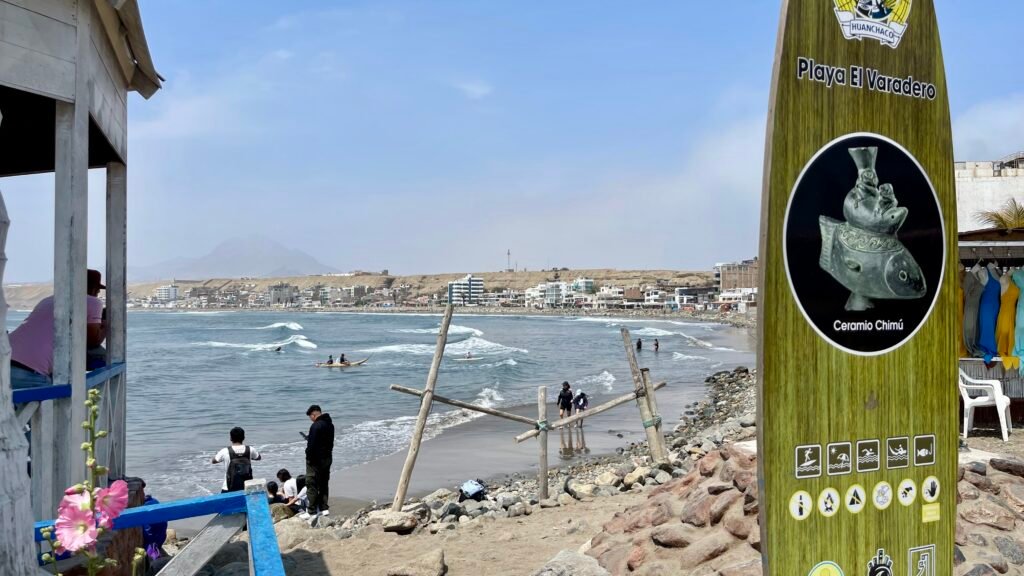
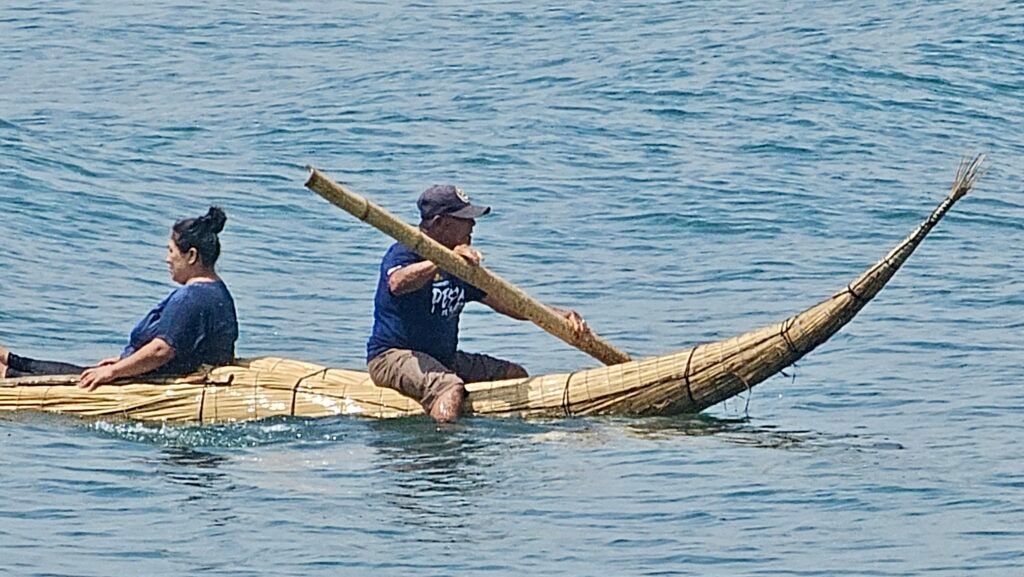
- Watch the Caballitos de Totora: Seeing the local fishermen navigate the surf in these ancient reed canoes is the defining visual of the town. Note that the famous pier is currently a decomposing mess; it’s closed off with a padlocked gate because it’s genuinely dangerous.
- Take a Surf Lesson: Whether you’re a total beginner or an intermediate surfer, the breaks here are some of the most accessible in the country.
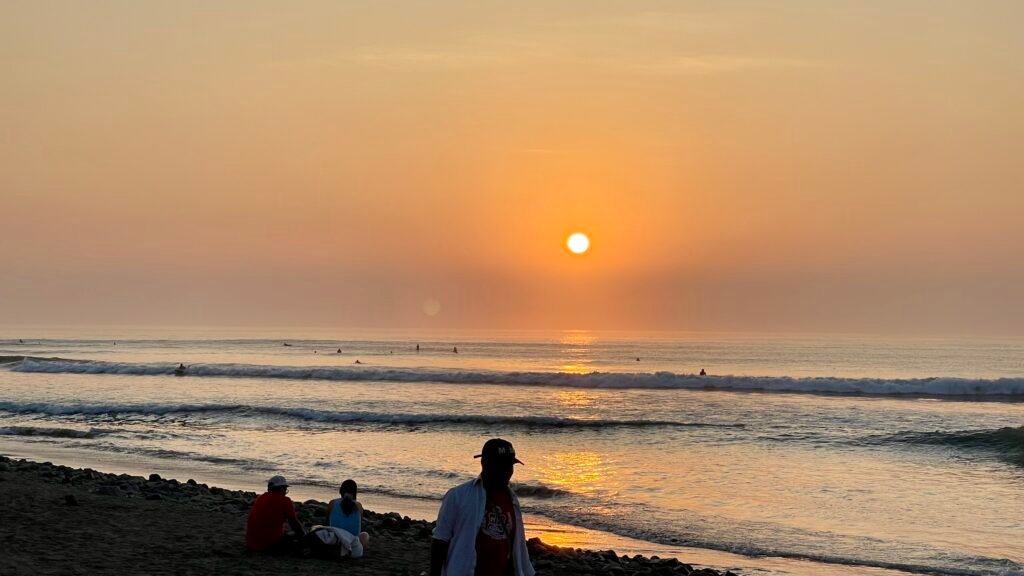
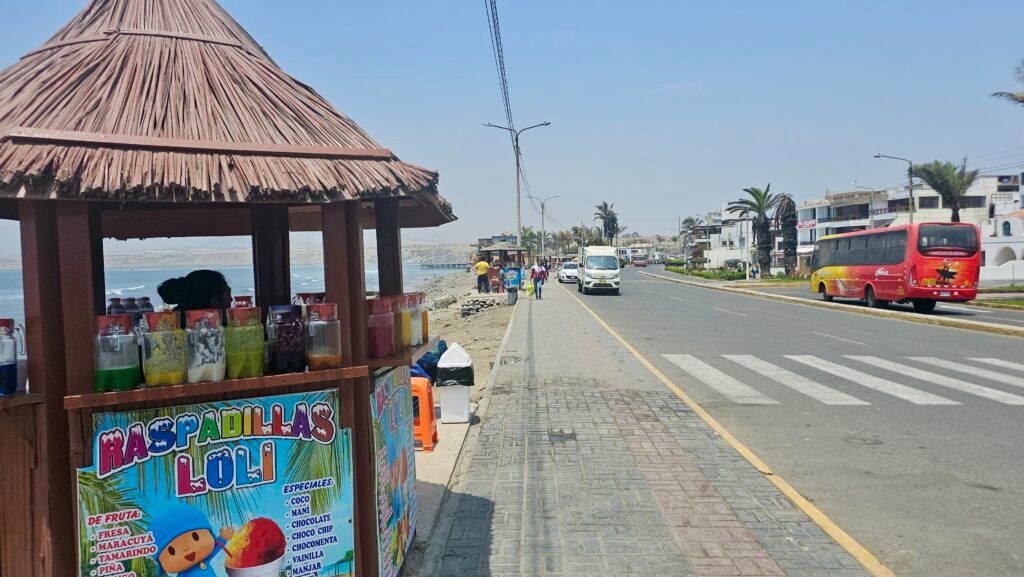
- Walk the Malecón: This is the town’s social spine. At sunset, the waterfront walk is the best place to take in the local energy.
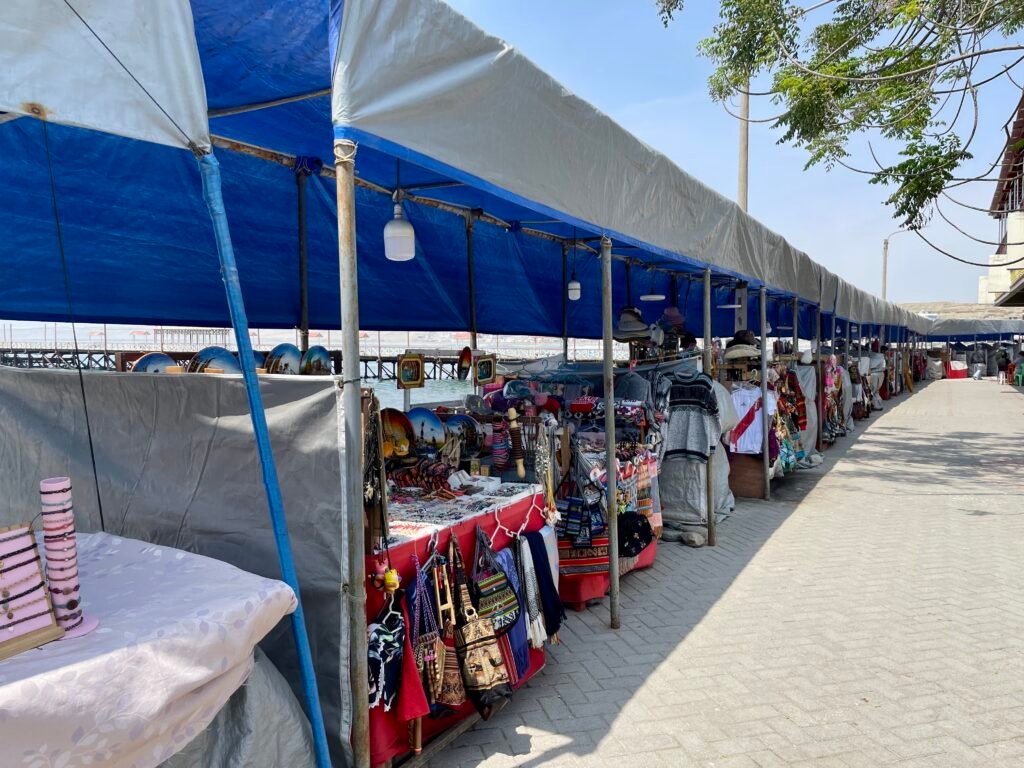
- Explore Northern Peru’s Archaeological Sites: Huanchaco is an excellent base for visiting Chan Chan, Huaca de la Luna, and El Brujo on day trips. After basing myself in both locations, I’ve found these sites just as easy to visit from the beach as they are from the city.
Where to Stay in Huanchaco
Your choice of accommodation here defines your experience.
- For Social Travelers: The Punta Huanchaco Hostel is my go-to. It functions more like a large house than a typical hostel, offering private rooms with bathrooms—the perfect balance of privacy and the social atmosphere needed to meet other travelers.
- For Surf & Pool Lovers: If you’re searching for surf hostels in Huanchaco that feature pools, or best hostels in Huanchaco for surfers, these act as primary hubs for integrating into the local crowd.
- For Historic/Urban Focus: If you prioritize traditional Trujillo accommodation options, you’ll be closer to the museums and colonial architecture of the city. For those searching for best places to stay in Huanchaco on a budget, there are plenty of hostels near Huanchaco beach and hotels in Huanchaco near the Malecón that capture the seaside vibe. I’d recommend looking for hotels in Huanchaco with ocean views if you want to wake up to the sound of the Pacific.
How Many Days to Spend in Huanchaco
You can comfortably see the archaeological highlights in two days, but the town rewards a slower pace. I recommend a minimum of three to four days if you intend to surf or simply want to integrate into the local rhythm. Spending a week here allows you to explore the local markets and hidden spots without feeling like you are constantly rushing to your next destination.
Best Time to Visit Huanchaco
Huanchaco is a year-round destination, but the experience changes by season. The summer months (December to March) are the warmest and bring a vibrant, pumping nightlife and crowded beaches. If you prefer a quieter, more local atmosphere, the winter months (May to September) offer consistent surf conditions and a much calmer, more authentic town vibe.
Huanchaco Budget and Costs
Huanchaco remains highly affordable compared to the tourist hubs of southern Peru. A budget traveler can comfortably get by on $25–$35 USD per day, covering a bed in a quality hostel, local meals, and basic transport.
If you prefer private rooms and regular dining at beachfront restaurants, expect to spend closer to $50–$70 USD per day.
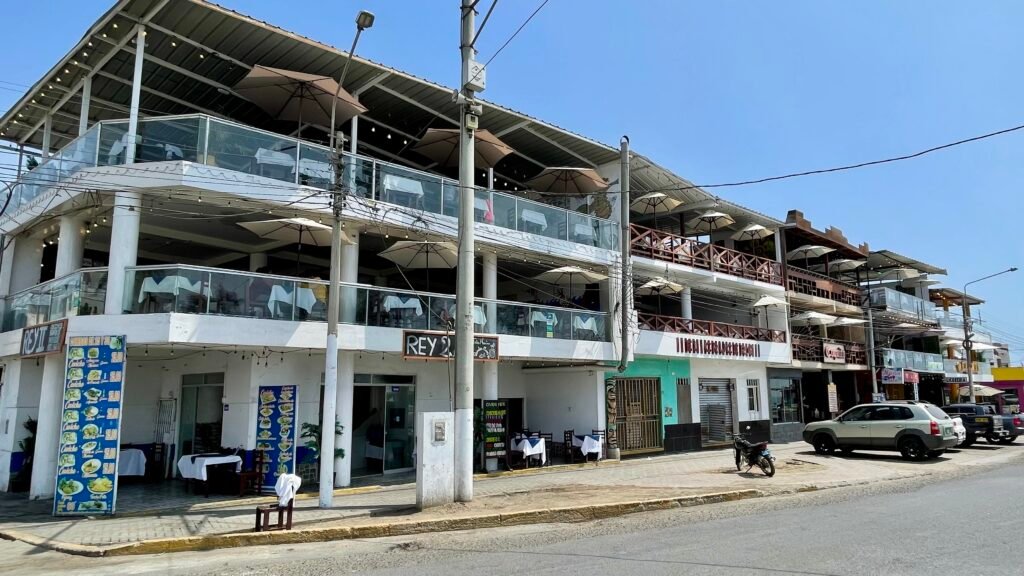
One final rule: avoid any restaurant labeled “restaurante turistico.” They are typically the lowest quality with the highest prices, catering to travelers who leave town before the digestive consequences kick in.
How to Get to Huanchaco from Trujillo
The regional airport and the central bus station are situated between Trujillo and Huanchaco. Huanchaco sits roughly 15–20 minutes from the historic center of Trujillo by car, or around 20–30 minutes on the red shuttle bus depending on traffic.
I find Uber to be the most consistent way to move between the two; it’s cheap, quick, and removes the need to negotiate. If you’re watching your budget, the red shuttle bus that runs between Huanchaco and Trujillo is reliable and runs throughout the day, providing an easy connection for your stay.
Pro Travel Tip: Get a Wise travel debit card and have it linked to your Uber account. That way, you don’t even need cash to pay the Uber driver. It’s the smarter way to pay in Peru.
Frequently Asked Questions
Is Huanchaco safe for tourists at night?
Huanchaco is generally safe, but standard city smarts apply. Avoid walking alone on empty beaches outside the town boundaries at night. Always use registered services or apps like Uber rather than hailing street taxis after dark.
Are the beaches good for swimming?
The water can be chilly year-round due to the Humboldt Current. While the surf is world-class, casual swimming is best done in the shallower bay areas during the warmer summer months.
Is surfing in Huanchaco good for beginners?
Yes, it is excellent for beginners. There are numerous professional surf schools along the beach, and the long, mellow waves are ideal for learning the basics.
What is the cash and ATM situation?
ATMs are available in town, but they can occasionally run out of cash or experience network issues. It is best to withdraw sufficient local currency (soles) in Trujillo before arriving. Most mid-range restaurants and hotels accept cards, but keep cash on hand for markets and small local eateries.
Is it safe to hail a taxi on the street?
Avoid hailing random street taxis, as they are unregulated and often pose a risk for scams or overcharging. Use an app-based service like Uber for transparent pricing and driver verification.
Planning a trip along Peru’s northern coast?
Huanchaco is just one stop on a much bigger overland route between Lima, Trujillo, and the northern archaeological sites. If you want help turning this into a realistic, well-paced itinerary that connects the coast, ruins, and local transport without the guesswork, I can help you map it properly.