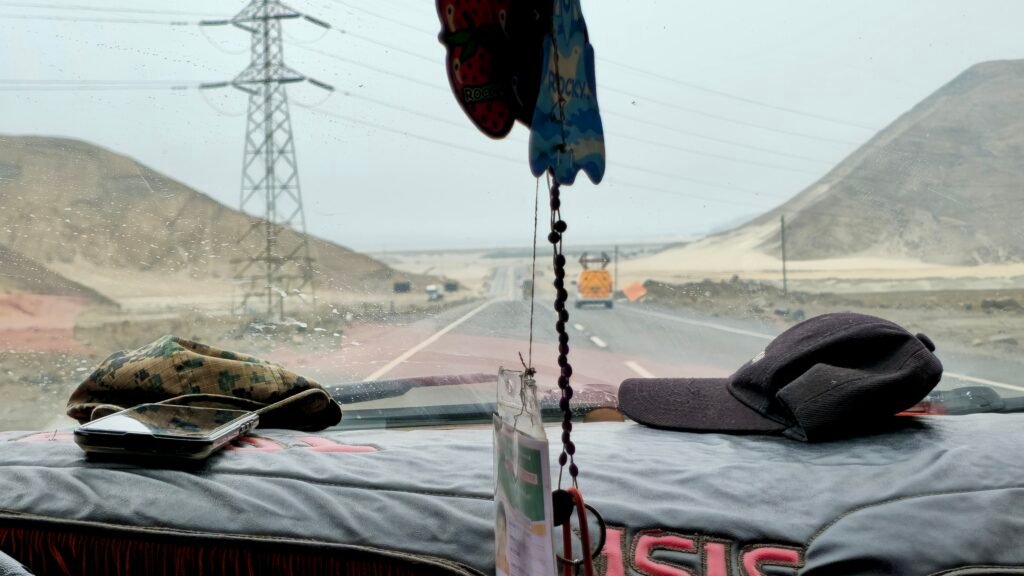
If you search for the best way to get from Lima to Trujillo, you’ll mostly find automated lists or bus schedules that paint the 10-to-12-hour journey as a simple trip from A to B. They’ll tell you to pick a bus, bring a neck pillow, and try to sleep through the desert.
I’ve done this route more times than I can count, starting back in 2007 as a backpacker just trying to get from one town to the next on the cheap. I’ve learned the hard way that there is a massive difference between just getting there and actually using the time.
I’ve done the direct bus to Trujillo. And I’ve flown from Lima. These days, if I’ve got the time, I go overland and I break the journey up.
You end up seeing parts of coastal Peru that most travelers speed straight past. This isn’t the fastest way to get from Lima to Trujillo; it’s the way I’d do it after nearly twenty years of traveling Peru. I’ve tested the alternatives, and this is the one I’d choose.
Route at a Glance
- Route: Lima to Trujillo (Overland)
- Key Stops: Huacho, Huarmey, Casma (Optional)
- Ideal Duration: 7–14+ Days
- Transit Strategy: Bus north (slow), Fly south (fast)
- Best For: History, surfing, coastal culture, and thoughtful travel
- Key Sites: Caral, Vichama, Paramonga, Playa Tuquillo, Sechín, Chankillo
- Luggage Strategy: Store main bag in Lima; 5–7 day carry-on only
If You’re Planning This Trip
- 7–10 days in Peru: Fly both ways. Don’t waste your limited time on buses.
- 2–3 weeks: Take the bus north, stopping in Huacho and Huarmey, visiting Huanchaco and then fly back from Trujillo.
- 3+ weeks: Follow the itinerary below, and add Casma if pre-Inca archaeology is your top priority.
- If saving money is your top priority: An overnight bus direct to Trujillo remains one of the cheapest ways to cover the distance.
What Most Travelers Get Wrong
Most people treat Lima to Trujillo as a transfer, not a route. They book the cheapest or fastest option and miss the fact that the northern coast is one of the most interesting, accessible stretches of Peru. By treating the transit as an obstacle to be overcome rather than a part of the trip, you end up flying over some of the most authentic coastal towns in the country.
Why the Bus-North, Fly-South Plan?
Could you take the bus back to Lima? Absolutely. I’ve done it. But after years of traveling Peru, I’ve become ruthless about protecting my time. I’d rather spend an extra afternoon wandering Huanchaco than lose another full day retracing my steps down the Pan-American Highway.
By going overland heading north, you get to see the desert and visit the pre-Inca sites that most travelers skip. You also realize how much of Peru people miss when they fly everywhere.
The Stops: What to Choose, What to Skip
1. Huacho: The Gateway
Just 2.5 hours north of Lima—and costing around S/25—Huacho is a legitimate summer escape for locals from the capital.
You might notice that I’ve recommended Huacho over Barranca, even though Barranca gets mentioned more often in Caral itineraries. That’s deliberate.
Caral is widely considered one of the oldest civilizations in the Americas, and it’s actually quicker to reach from Huacho. Huacho is simply a nicer place to spend a couple of days: it has a better plaza, a stronger food scene, more nightlife, and feels like a proper coastal destination rather than somewhere you stay purely because it’s close to an archaeological site.
- The Vibe: It’s a coastal escape for Peruvians, not a “gringo” destination.
- The Stay: Plan on at least 2 nights. This is the minimum I’d recommend to see the sites without feeling like you’re in a race. Look for cheap hotels around the main plaza. I’ve stayed in a few, and Hostal Bolivar is the cheapest option I’ve found.
2. Huarmey: The Rhythm of the Coast
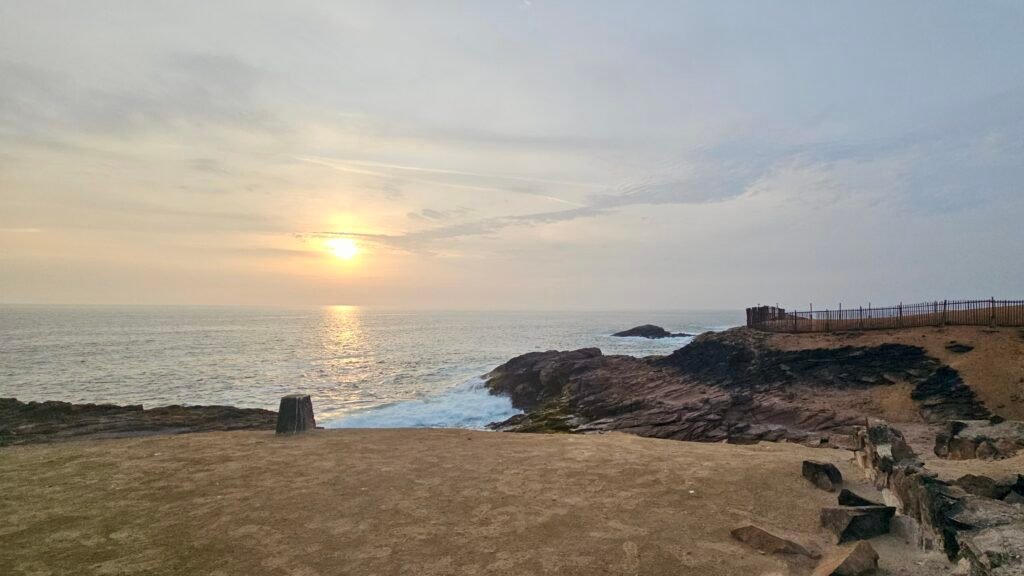
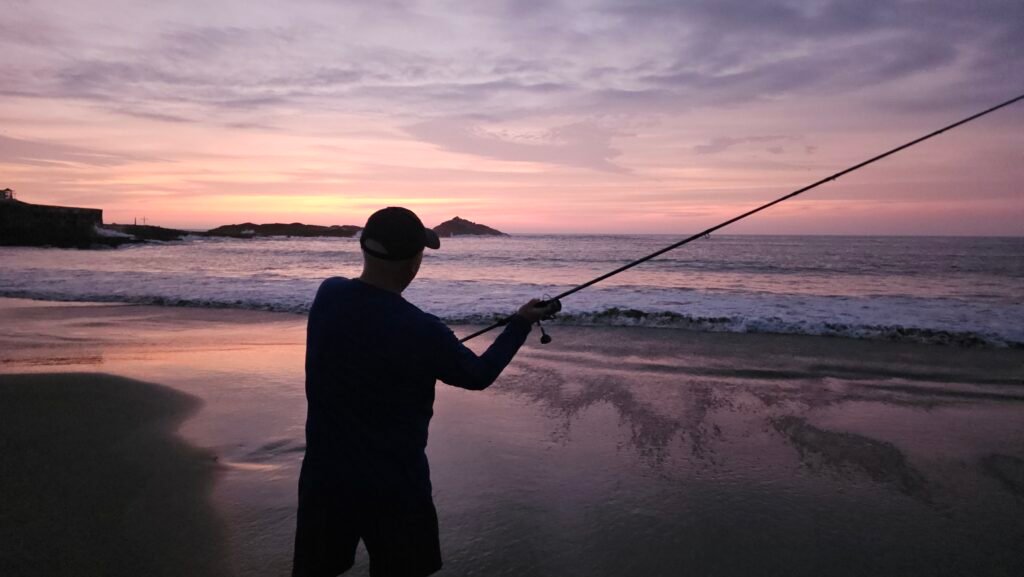
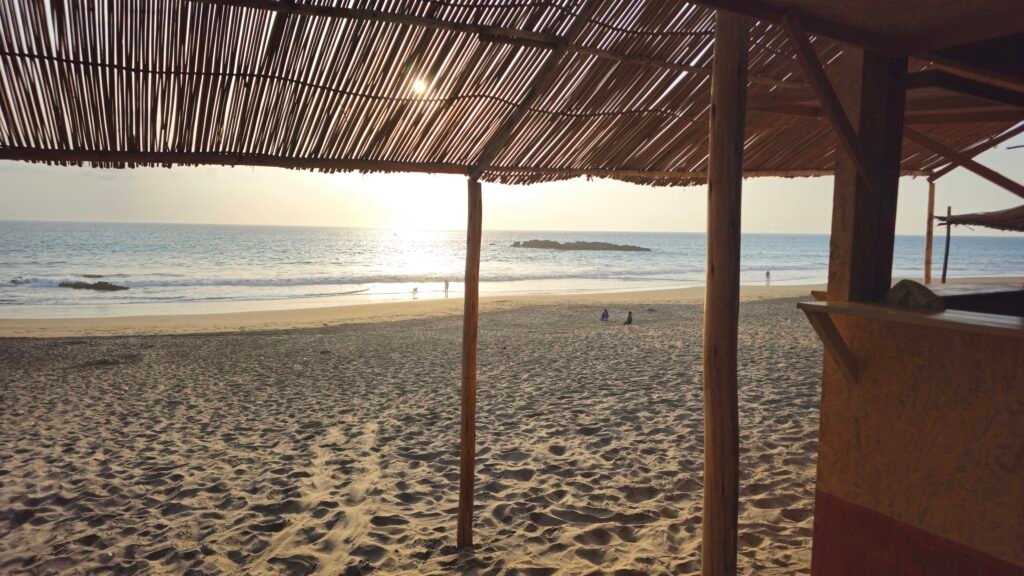
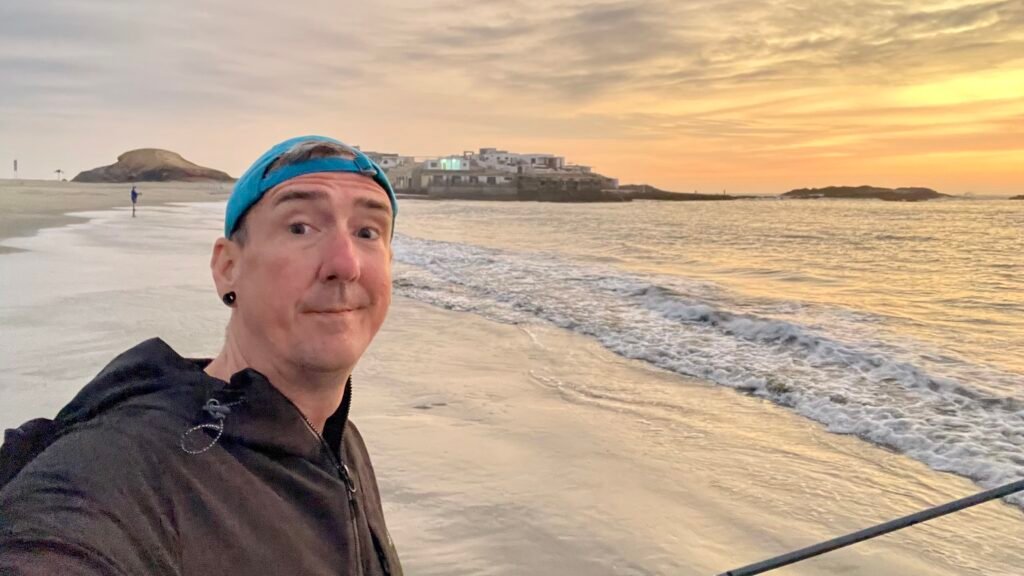
Huarmey is one of those places I never expected to spend much time in, but I’ve found myself returning. A 3–4 hour ride from Huacho, this is where the coast starts to justify all those hours you’ve spent on buses. There’s something about Huarmey that keeps pulling me back—it reminds me of the Peru I first fell in love with back in 2007: unpretentious, affordable, and largely ignored by international tourism.
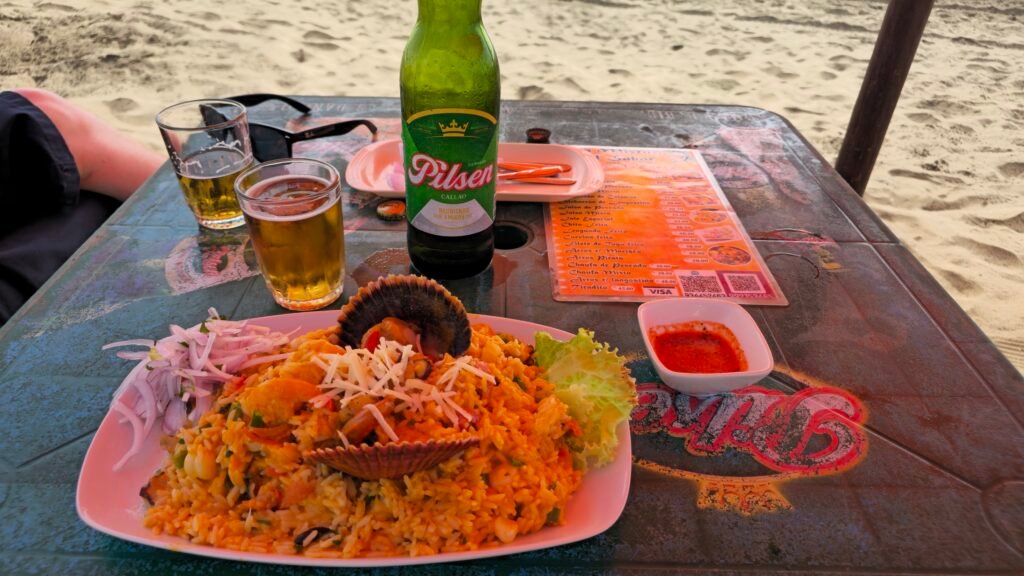
- Why here: Huarmey gives you a side of coastal Peru that most international visitors never see. Playa Tuquillo is one of the most accessible, genuinely good beaches between Lima and Trujillo, and it’s the place to go for the best ceviche.
- The Stay: Plan on 2 nights. Two days is the sweet spot to actually recover from transit and enjoy the coast properly. The cheapest I’ve stayed in is Hotel & Restaurante Jessica. I’d sleep there again, but I’d recommend heading across the road for better food options.
- Drinks & Nightlife: Try ‘Weekend Huarmey’ or ‘Pillku Rooftop’ (the smaller of the two).
3. Optional: Casma for Archaeology Lovers
If you care about archaeology, look at Casma. It’s about a 1.5-hour jump from Huarmey, making it a solid detour before you finish the final 2.5-3-hour stretch into Trujillo. While many travelers head straight for Trujillo, the sites around Casma—like the Sechín Complex and Chankillo—are significant and not often offered as day trips from Trujillo.
- A note on Chimbote: I’ve passed through Chimbote several times and never found much reason to stay. It’s a gritty industrial port city that smells like a men’s room at Taco Bell, has ugly architecture, and, unless you’ve got a specific reason for visiting, I’d skip it in favor of Casma.
- The Trade-off: Casma is worth a night or two if you are serious about pre-Inca history. It’s quiet and puts you in the middle of a massive historical area.

Final Stop: Trujillo
After Huacho and Huarmey, Trujillo feels like a reward. Spend a few days exploring Chan Chan, Huaca de la Luna, El Brujo and Huanchaco before flying back to Lima. If you’ve followed this itinerary, you’ll arrive with a much deeper appreciation for Peru’s northern coast than someone who simply flew in and out.
If you’re wondering how long to stay in Trujillo or what to prioritize once you arrive, my Trujillo travel guide breaks down the city’s highlights and helps you plan the rest of your time on Peru’s northern coast.
The Reality of Getting Around
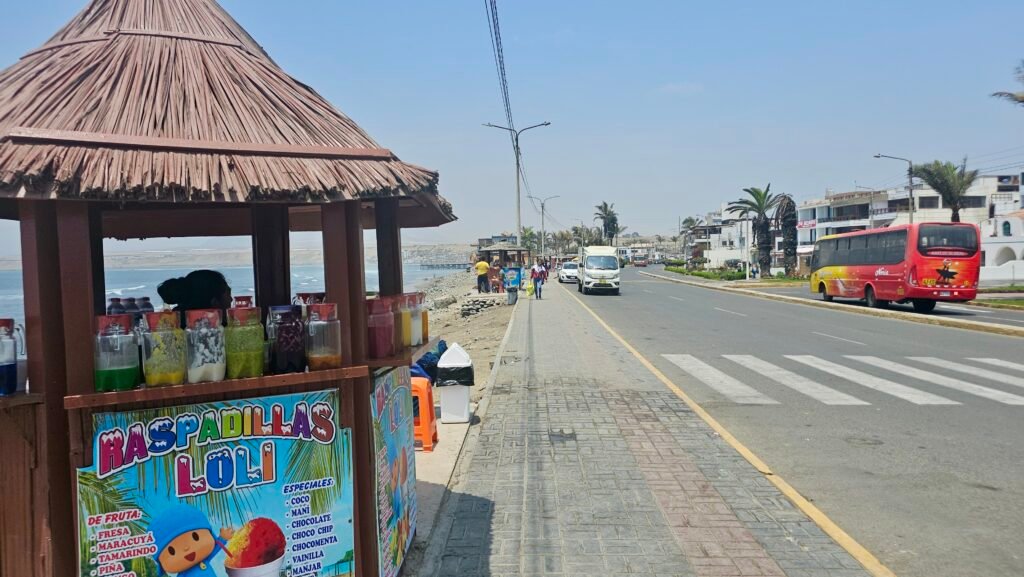
Forget the stress of planning big hubs. The coastal transit system here is efficient if you know how it works.
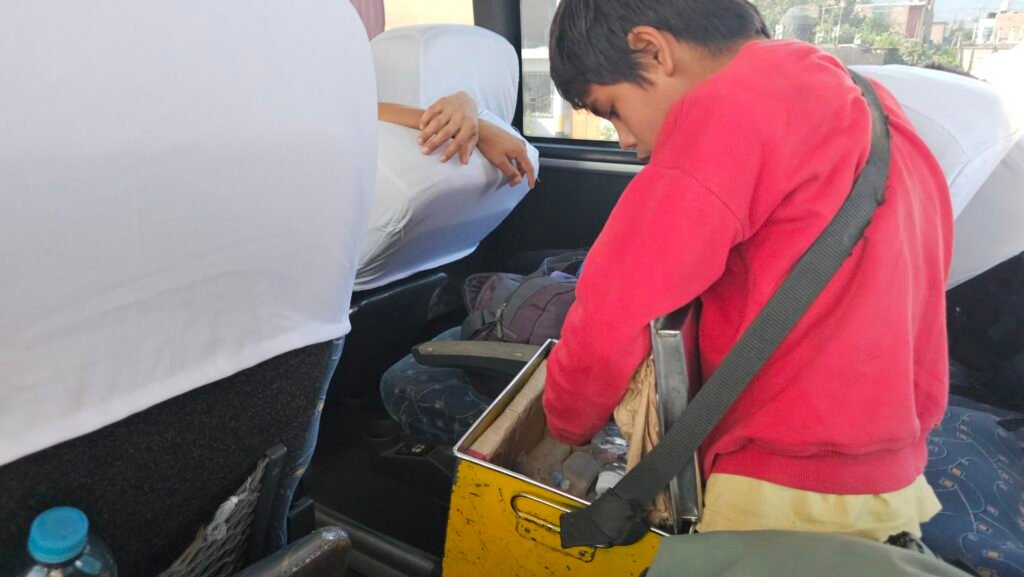
- The Hubs: Unlike the overwhelming terminals in Lima or Cusco, the regional bus stations here are manageable. The Huarmey terminal, for instance, is a five-minute walk from the main plaza. It’s an outdoor, social space—you’ll find locals selling hamburgers and fresh juices, not just frantic ticket counters.
- The Bus Lines: For the stretch between Huarmey and Trujillo, you don’t need to obsess over the best bus company. Most buses are comfortable, often half-empty, and reliable. Show up the day before, buy your ticket for the next day, and pick the one that fits your schedule.
- Luggage Advice: This is where most travelers go wrong. Do not carry a 20kg suitcase through three coastal towns. Store your main bag in Lima using Radical Storage before you leave. Travel north with a 5-to-7-day carry-on. There are cheap laundry shops in every town; you don’t need a week’s worth of clothes in your bag.
Note: If you’re still planning your time in the capital, my Lima travel guide covers where to stay, how to get around, and the experiences I’d prioritize before heading north.
Should You Take This Route?
You should take this route if:
- You are interested in pre-Inca history and want to see the sites at your own pace.
- You want to see what coastal Peru looks like outside of the standard backpacker path.
- You value the time spent on the journey.
You should fly if:
- You are in a rush and have no interest in archaeology.
- You find any form of public transit tiring.
FAQ
Is it better to fly or take the bus from Lima to Trujillo?
If you want to see the ruins and the coast, bus north. If you want to get to Trujillo as fast as humanly possible, fly both ways. The “bus-north, fly-south” plan is my pick for a balanced trip.
Are stops in Huacho and Huarmey worth it?
Yes. They provide context for the coastal desert that you completely miss from a direct bus seat.
Where should I store my luggage while traveling up the coast?
Use a secure storage shop in Lima using Radical Storage before you head north. Travel light; it makes every bus transition easier.
Which bus companies are best for the Peruvian coast?
They are mostly the same. Focus on the departure time that suits you rather than the company name. They all have offices in the bus stations and are easy to find.
Want to handle the North Coast properly?
There is a lot of ground between Lima and Trujillo, and it’s easy to get the logistics wrong if you’re just winging it. If you’re planning a trip and want to focus on the sites and the coast rather than the bus terminals, let’s talk. I can help you map out an itinerary that skips the typical traps and keeps you moving through the parts of Peru actually worth seeing.