If you are looking for an immersive experience that feels authentic rather than curated, Trujillo deserves your attention. Having visited repeatedly since 2007—sometimes flying, sometimes navigating the bus route north from Lima—I have found it to be one of the most rewarding regions in Peru for travelers willing to venture beyond the southern circuit.
Over nearly two decades of visits, Trujillo has remained remarkably consistent. Huanchaco has become more international, ride-share apps have simplified local transit, and domestic flights have made the city more accessible, but the essence of the place hasn’t changed. Over the years, what’s changed most is access and convenience, not the character of the place itself.
It’s a place where deep pre-Incan history, colonial elegance, and a laid-back coastal culture exist without the artificial polish of a major tourist hub. This guide is how I would approach Trujillo if I were planning a trip there today.
Trujillo At A Glance
- Region: La Libertad (North Coast)
- Primary Gateway: Capitán FAP Carlos Martínez de Pinillos (TRU)
- Ideal Duration: 3–4 Days
- Transit Strategy: Fly in/out or bus from Lima with planned stops in Huacho and Huarmey.
- Altitude: Near sea level
- Base Location: Centro Histórico Trujillo or Huanchaco
- Gastronomy: Coastal Creole (Ceviche, Shambar, Goat, Lamb, Pork, Stews)
Why Trujillo Matters
Peru’s tourism narrative is dominated by the Inca. Trujillo tells a different story. Long before Cusco rose to prominence, the Moche and Chimú were building sophisticated societies along Peru’s northern coast.
Visiting Trujillo broadens your understanding of Peru’s past while offering a more grounded, less commercialized travel experience in the present. This is not a destination for travelers trying to “see Peru in five days.”
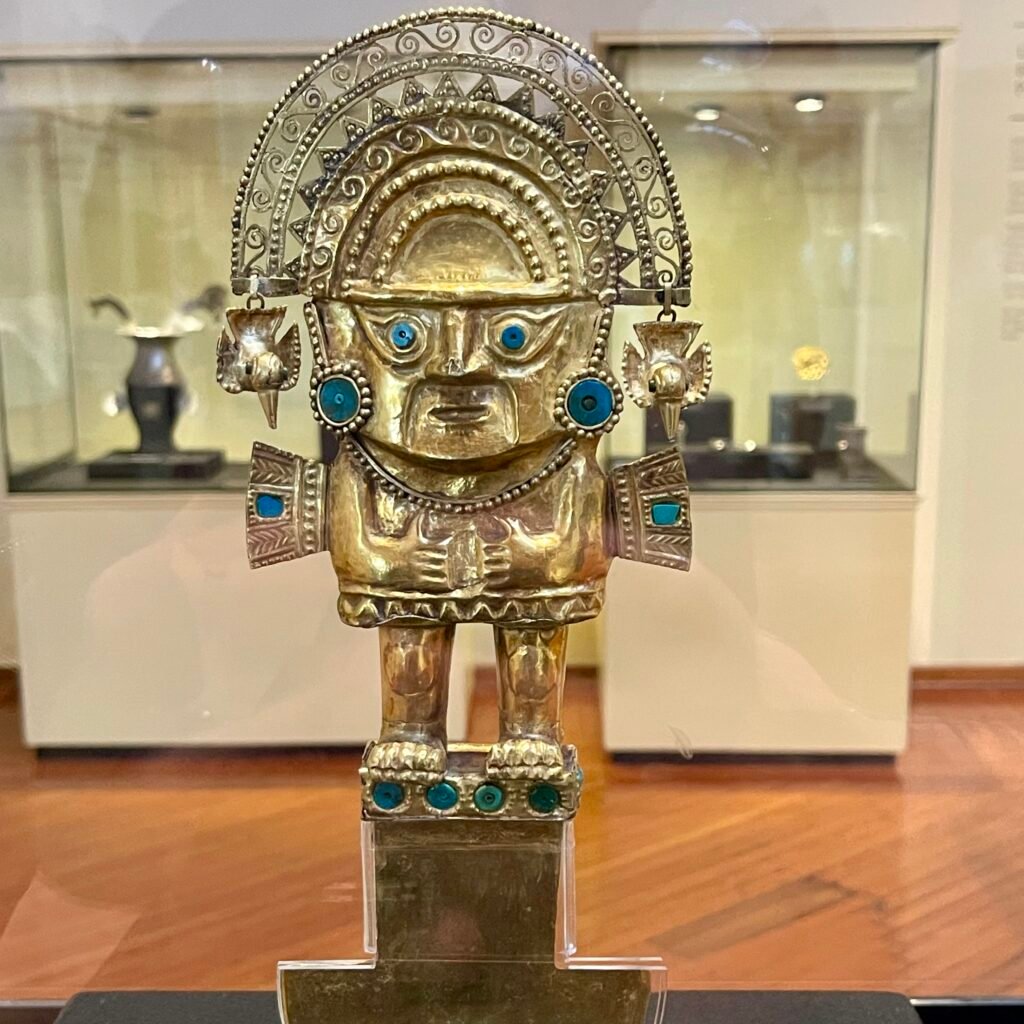
Pro Peru Travel Tip: If you’ve visited Pueblo Libre in Lima and have seen Peru’s famous ‘Tumi’ (pictured below) in the National Museum of the Archaeology, Anthropology, and History of Peru, you should know it came from this region. And it was not a product of the Inca, having preceded them by many centuraries.
Should You Visit Trujillo?
Of all Peru’s overlooked destinations, Trujillo offers one of the best balances between accessibility, historical significance, and authentic day-to-day culture. But deciding whether to head north to Trujillo depends on your time and priorities.
Visit Trujillo if you:
- Enjoy archaeology and history: You want to see the Moche and Chimú sites before the heavy crowds arrive.
- Prefer independent travel: You are comfortable using ride-shares and navigating a city not designed solely for tourism.
- Appreciate regional food: You want to eat dishes like shambar that don’t exist in the southern highlands.
- Have 10+ days in Peru: You have enough time to justify the trip without compromising your time in the Andes.
Consider skipping Trujillo if you:
- Only have one week in Peru: Stick to the Cusco/Sacred Valley loop.
- Prioritise iconic “must-sees”: You are focused solely on high-altitude landmarks.
- Prefer highly developed tourist infrastructure: You want seamless, polished resorts and constant English-speaking support.
Note: All of the major sites of tourist interest do have english speaking guides.
Best Things to Do in Trujillo Peru
Trujillo offers a rare concentration of history where ancient traditions remain woven into the daily rhythm of the city. The Moche and Chimú legacy dominates the landscape through sites such as the Huaca del Sol and Huaca de la Luna, Chan Chan, and the remarkable El Brujo archaeological complex, home to the discovery of the Lady of Cao. Together, they reveal a chapter of Peru’s history that predates the rise of the Inca by centuries.
But to truly understand this region, you have to look beyond the ruins. The spirit of Trujillo is found in the rhythmic footwork of the Marinera, the elegance of the Peruvian Paso horse, and the pride locals take in preserving traditions that remain part of everyday life. Whether you’re exploring the archaeological heart of Peru’s north coast or watching a Paso horse exhibition at a traditional hacienda, the experience here is as much about the living culture as it is about the past.
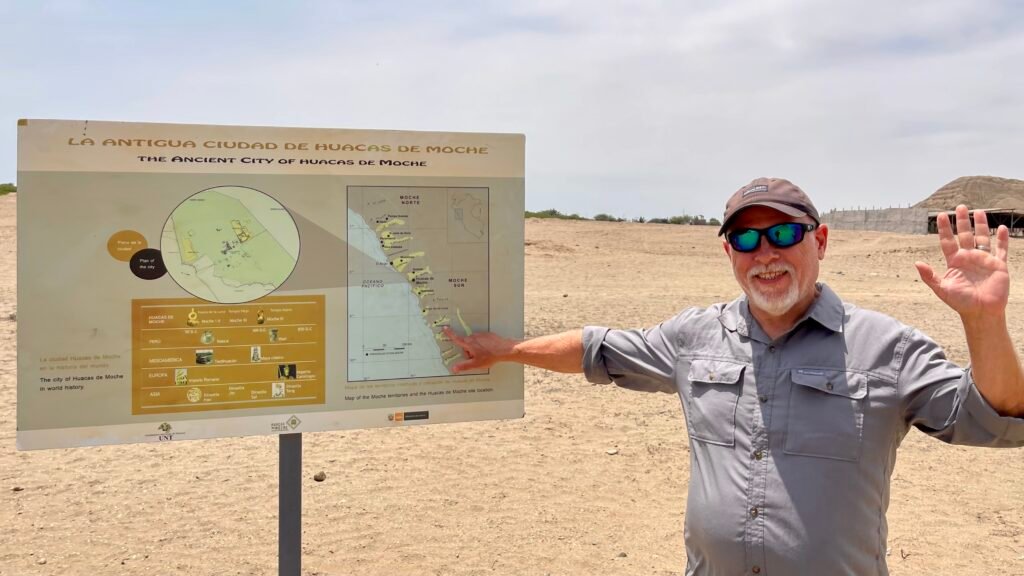
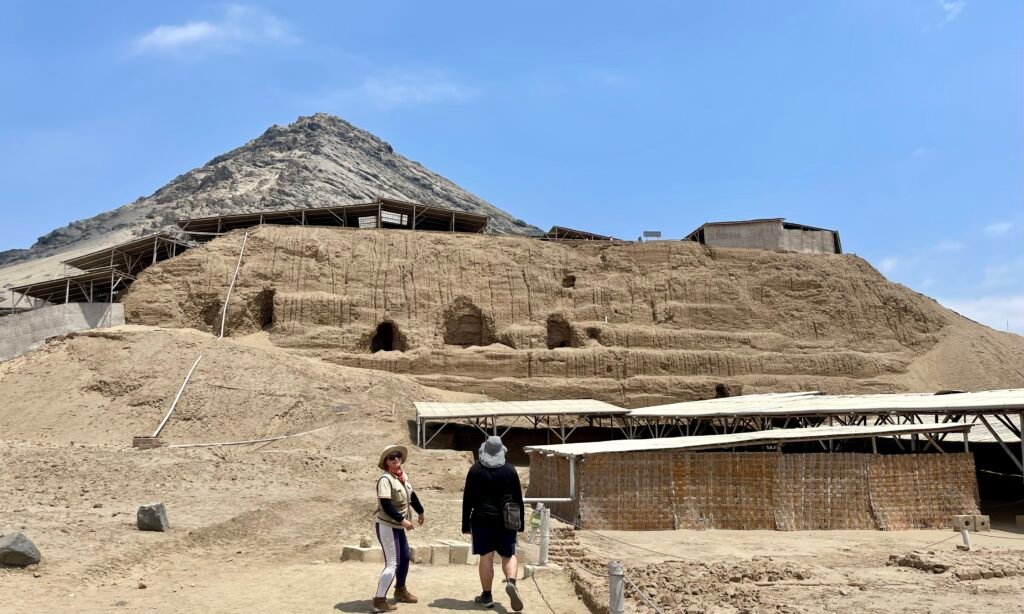
Huacas del Sol y de la Luna
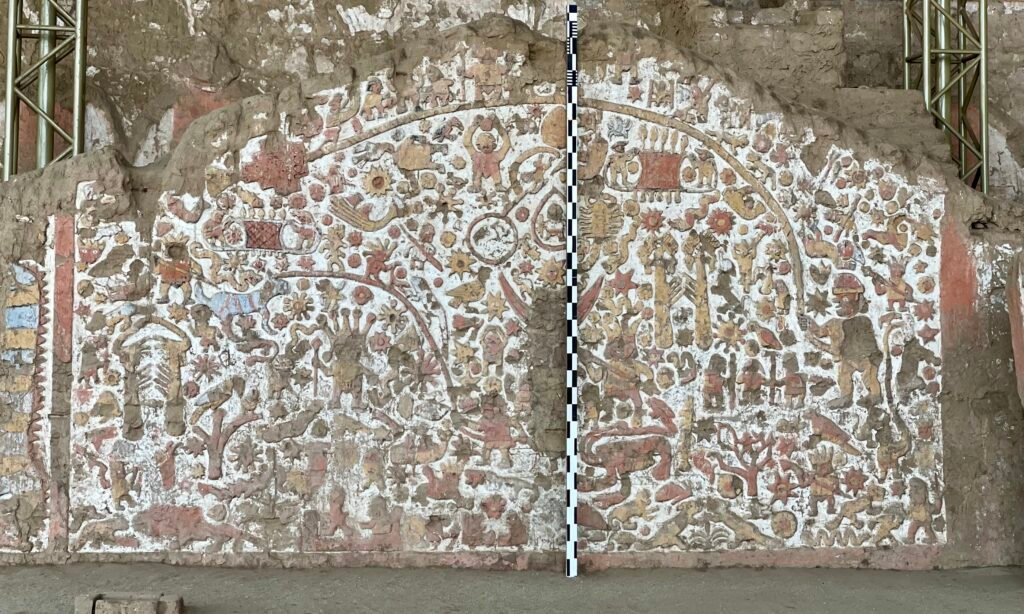
These ceremonial and administrative centers of the Moche civilization dominated the northern coast long before the Inca emerged in the Andes. Standing beneath the towering adobe walls, it becomes easier to understand that Peru’s story extends far beyond Machu Picchu.
- The Experience: I recommend starting your day here as soon as the site opens. What struck me most on my first visit was their scale; it’s difficult to fully appreciate until you’re physically there. The morning light is superior, and the raw, tactile nature of the friezes—many still bearing remnants of original polychrome colors—is best appreciated without the midday rush.
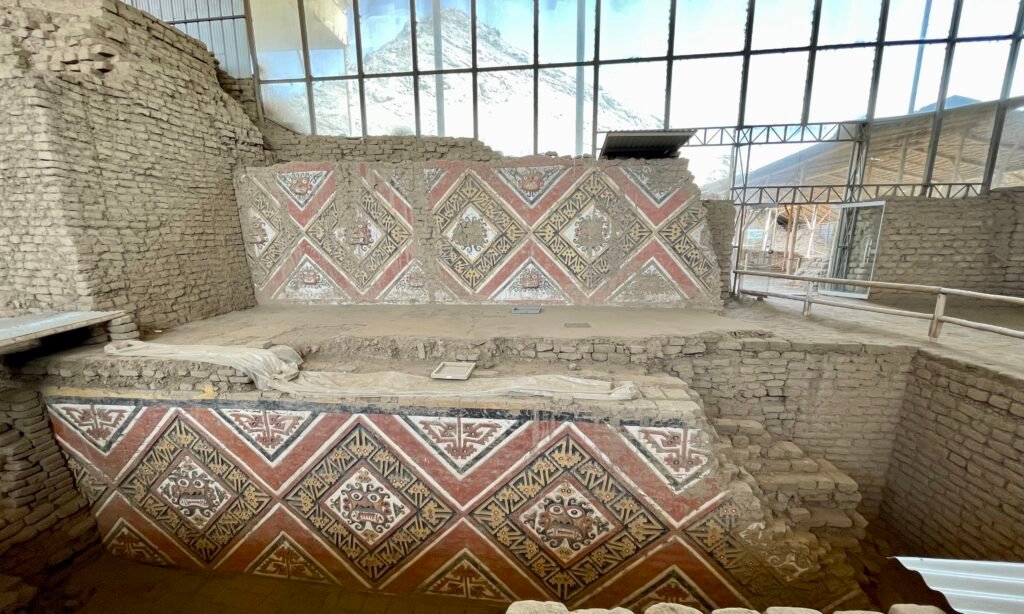
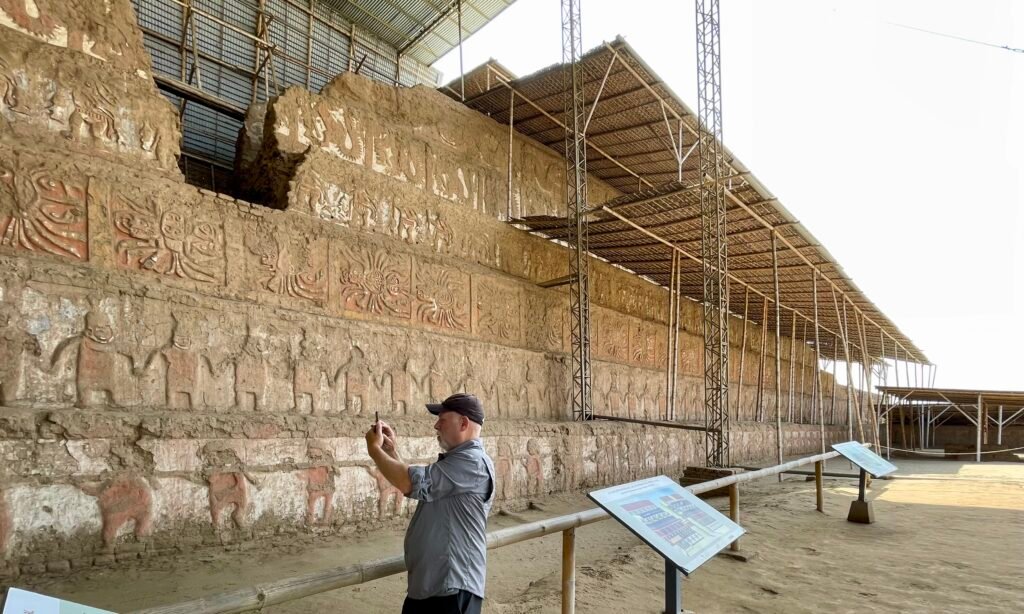
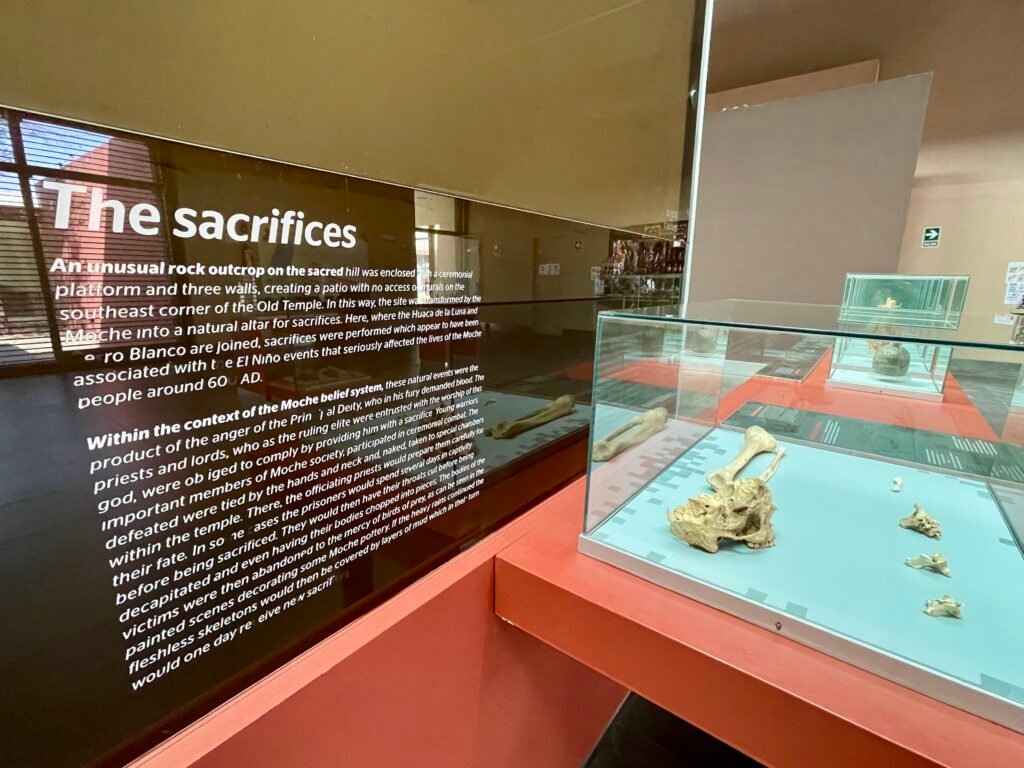
Pro Trujillo Travel Tip: Ask your guide about the octopus looking character with fangs. He’s called Ai Apaec (The Decapitator). And the Moche would engage in human sacrifice to Ai Apaec in exchange for rain. However later when the climate changed, likely due to a mega El Niño event, they sacrificed people to him in increasing numbers in a desperate attempt to try and stop the rain.
Moche Museum
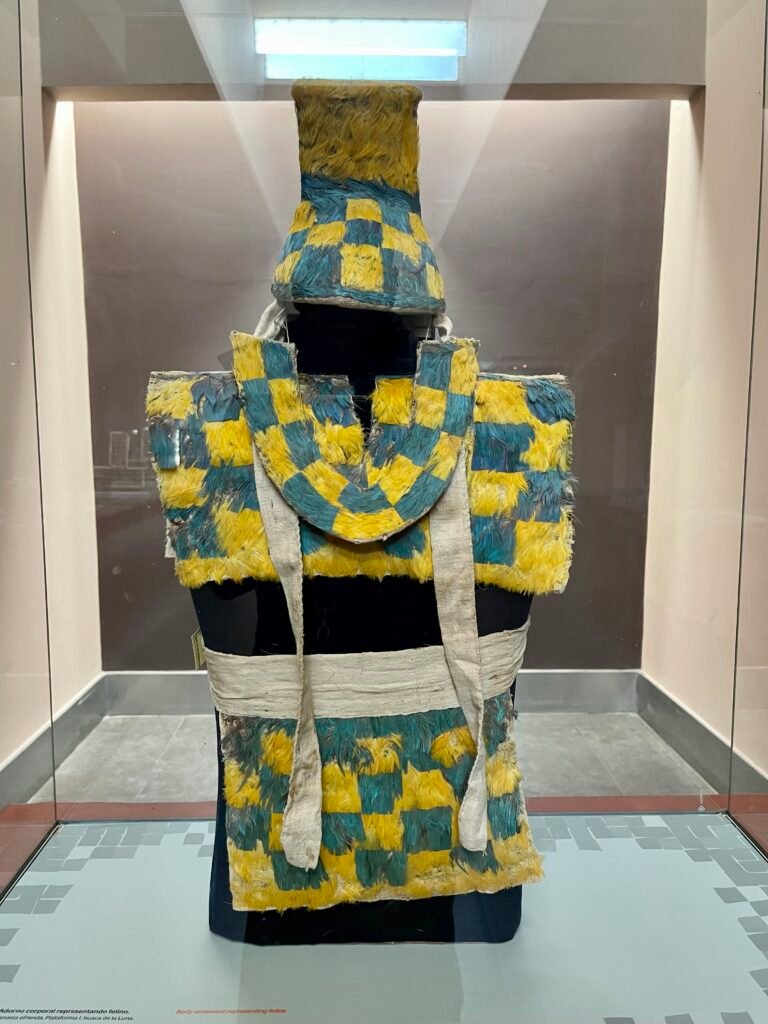
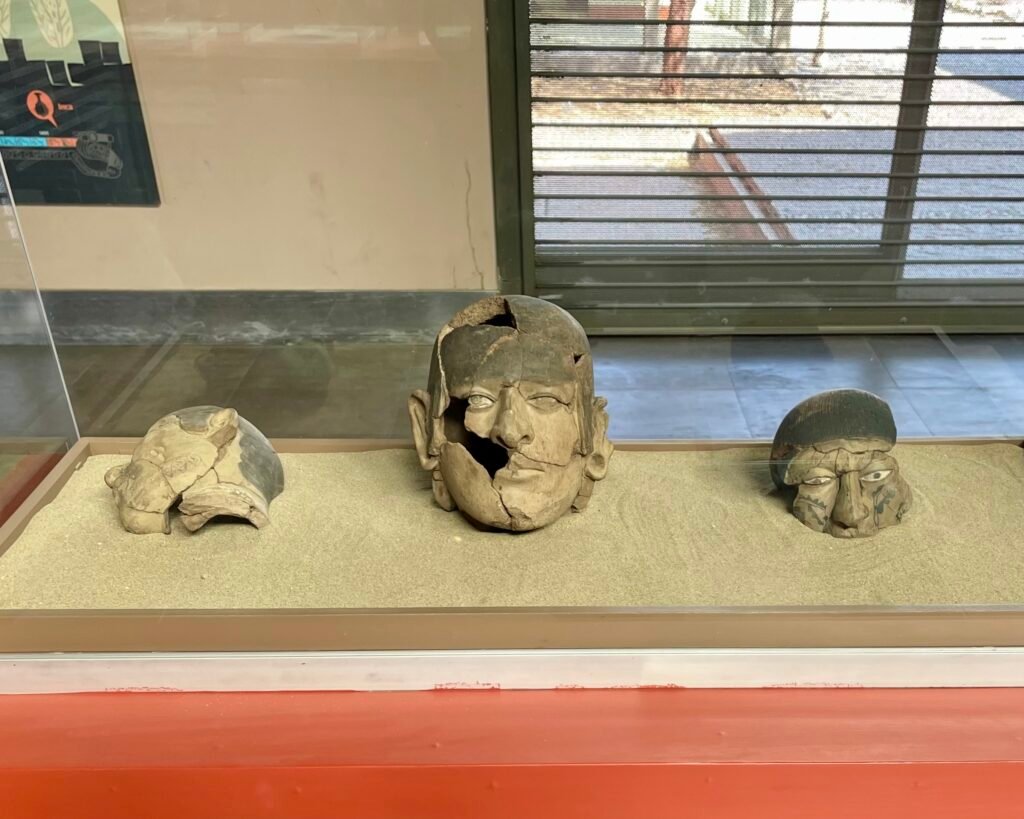
Located alongside the Huacas, this museum provides the necessary context. It bridges the gap between archaeological remains and the daily life, rituals, and artistic sophistication of the Moche people. It is a vital stop to understand the friezes you will see at the nearby temples.
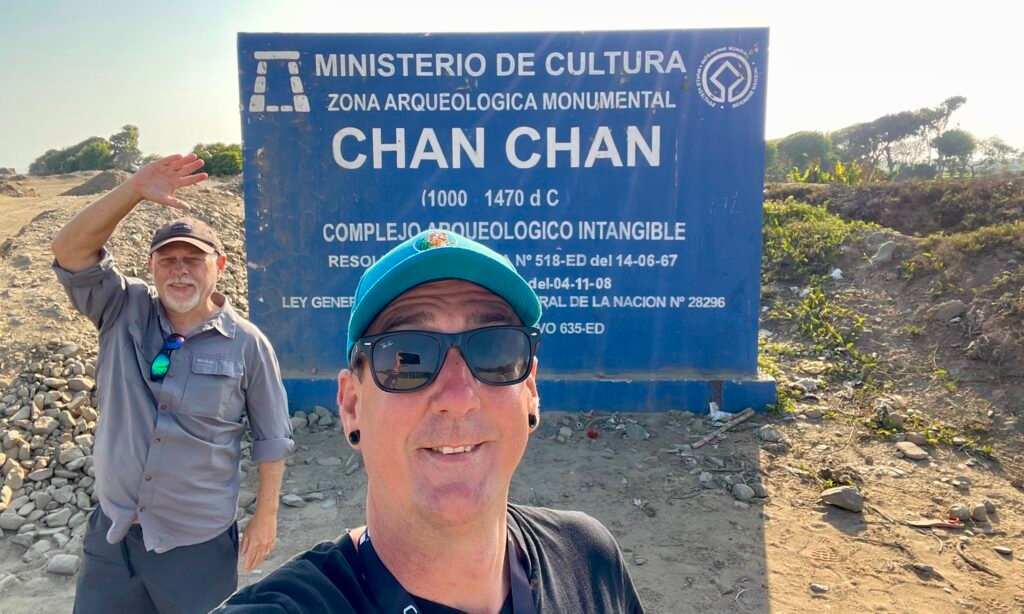
Chan Chan
If the Moche defined the early history of the north coast, the Chimú built one of its greatest cities. Chan Chan was the capital of the Chimú Kingdom and remains the largest adobe city ever constructed, housing tens of thousands of inhabitants before falling to the Inca.
The sheer scale is difficult to grasp until you are walking through the high-walled, labyrinthine corridors of the Nik An palace. What surprised me most on my first visit was how quiet it felt. Despite its UNESCO status, Chan Chan rarely attracts the crowds you’d expect at a site of this importance.
- What I Learned the Hard Way: Chan Chan has a strict closing time (4:00 PM). It is a frustrating mistake to make. Do not try to cram this into the end of a long day; start your morning here or at the Huacas to ensure you make it inside.
Colonial Centre of Trujillo
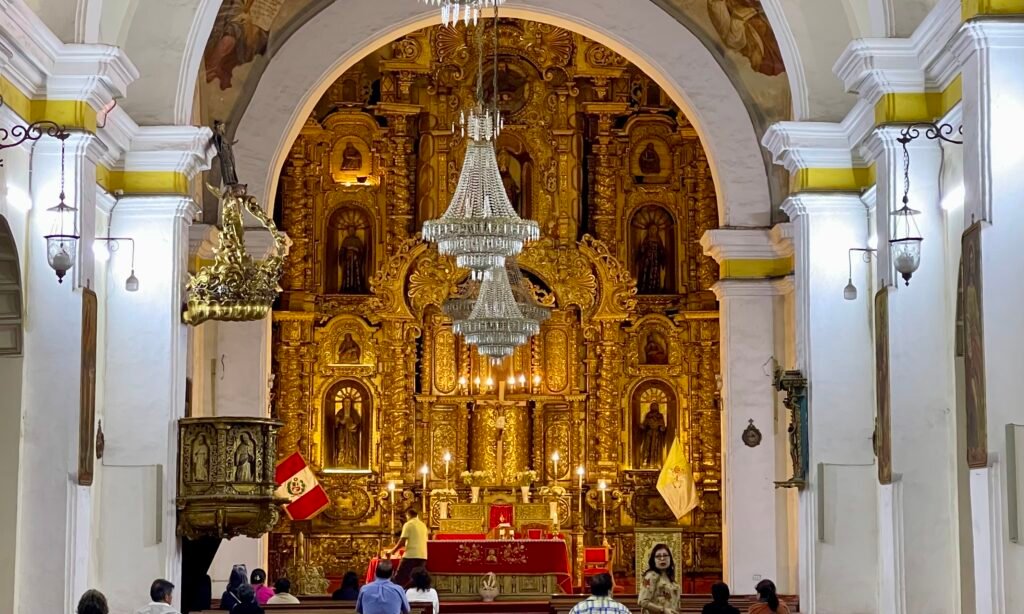
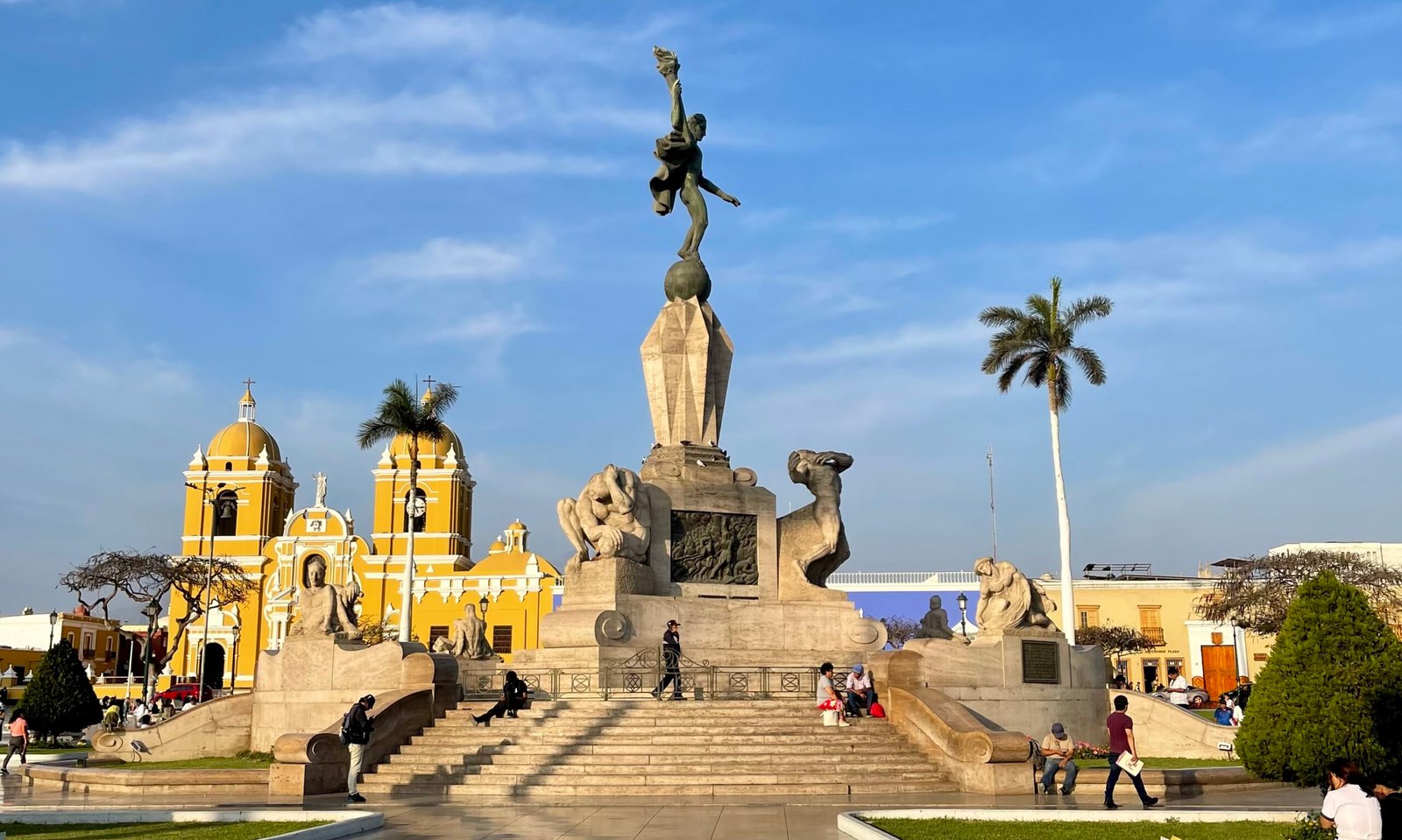
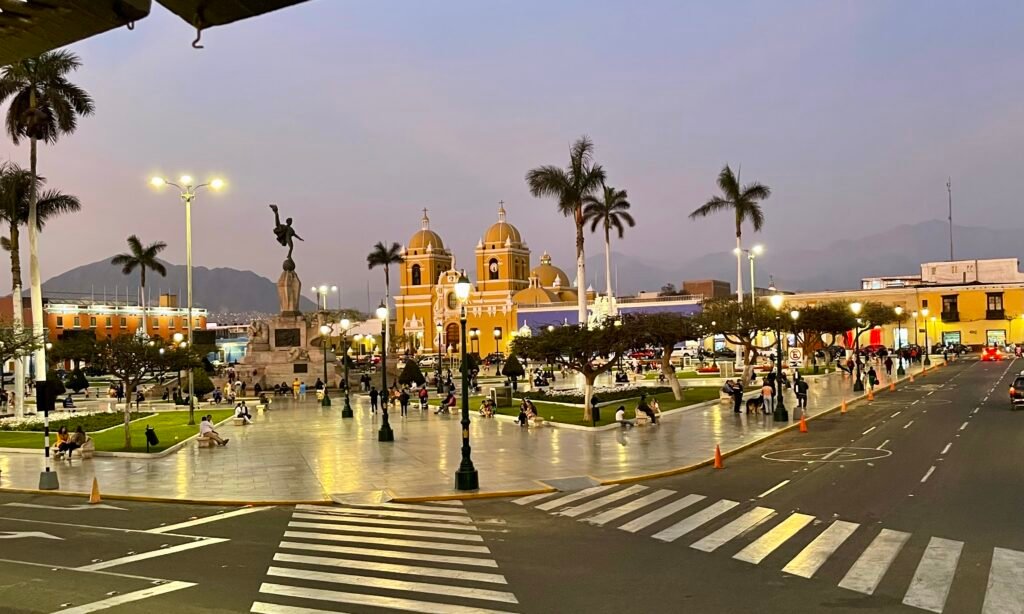
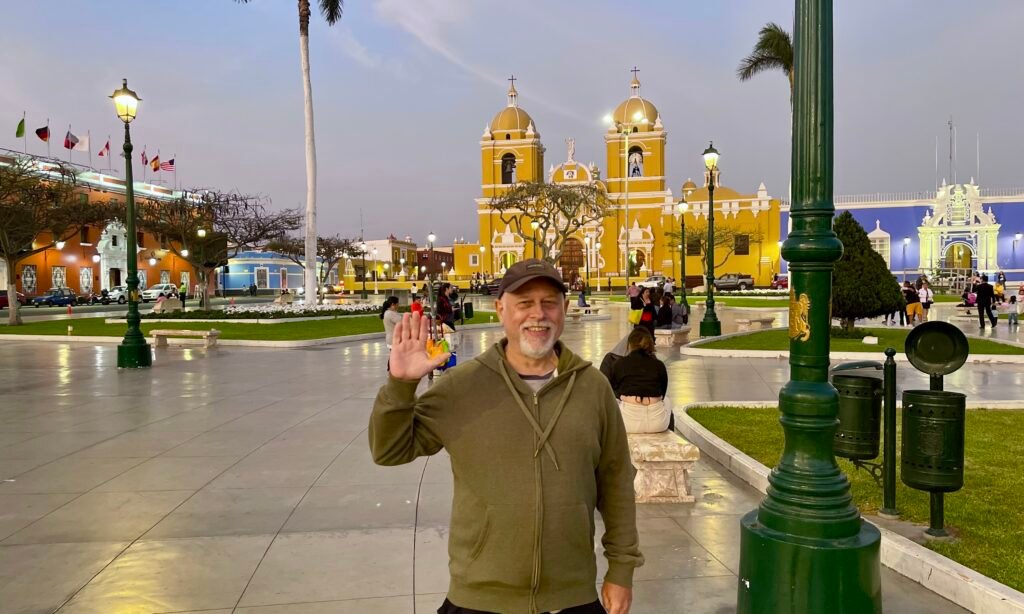
The Plaza de Armas is grand and colorful. It is significantly less frantic than the plazas in the south, allowing for a relaxed pace. The surrounding streets are filled with ornate colonial mansions and churches with intricate gold-leaf work.
- Sunset Ritual: For the best perspective, head to the Salón de Té Santo Domingo. Sitting on their balcony overlooking the Plaza de Armas at sunset, watching the city transition from the heat of the day to the evening, is one of my favorite rituals in the city.
Punta Huanchaco
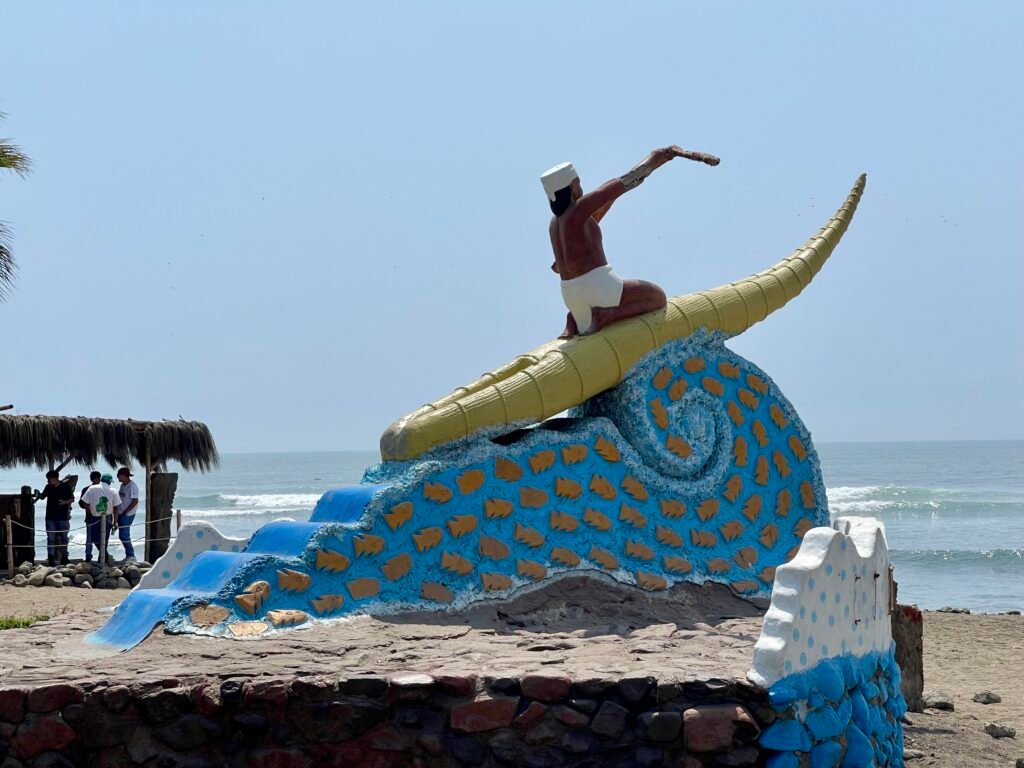
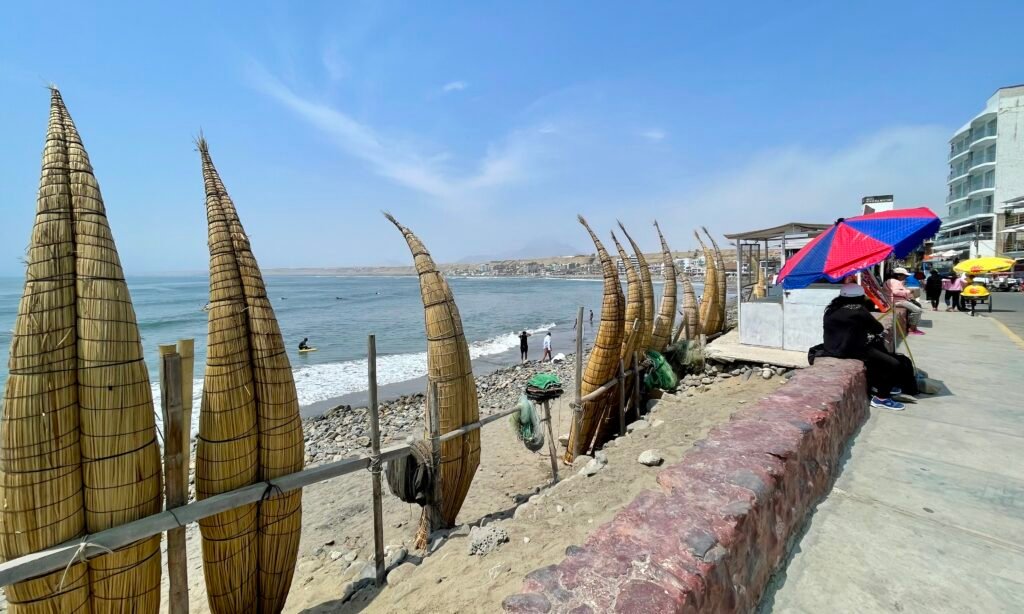
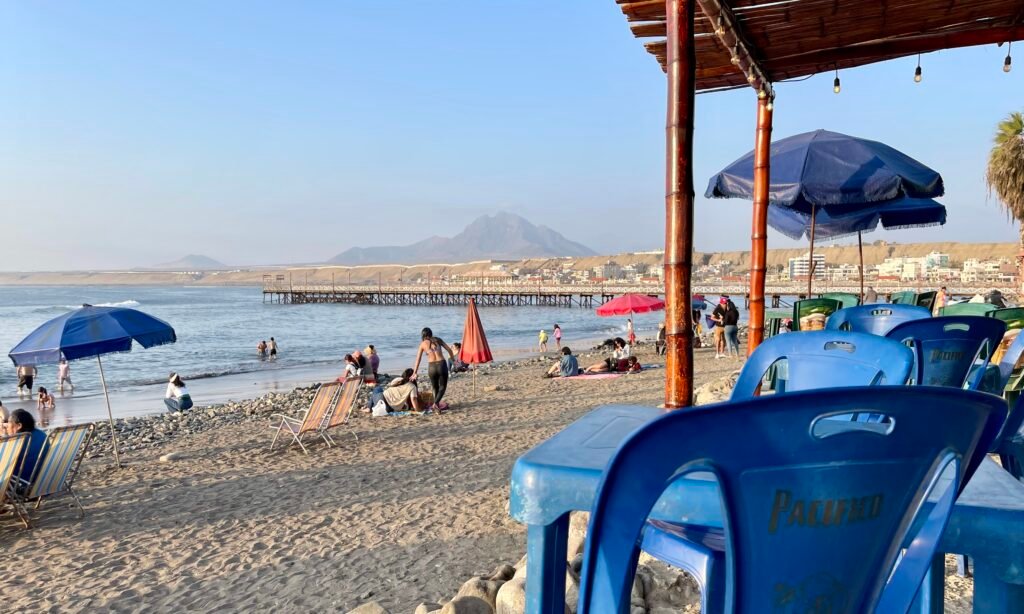
This is where I base myself when I want to decompress. Huanchaco is a historic fishing village that has evolved into a surf town.
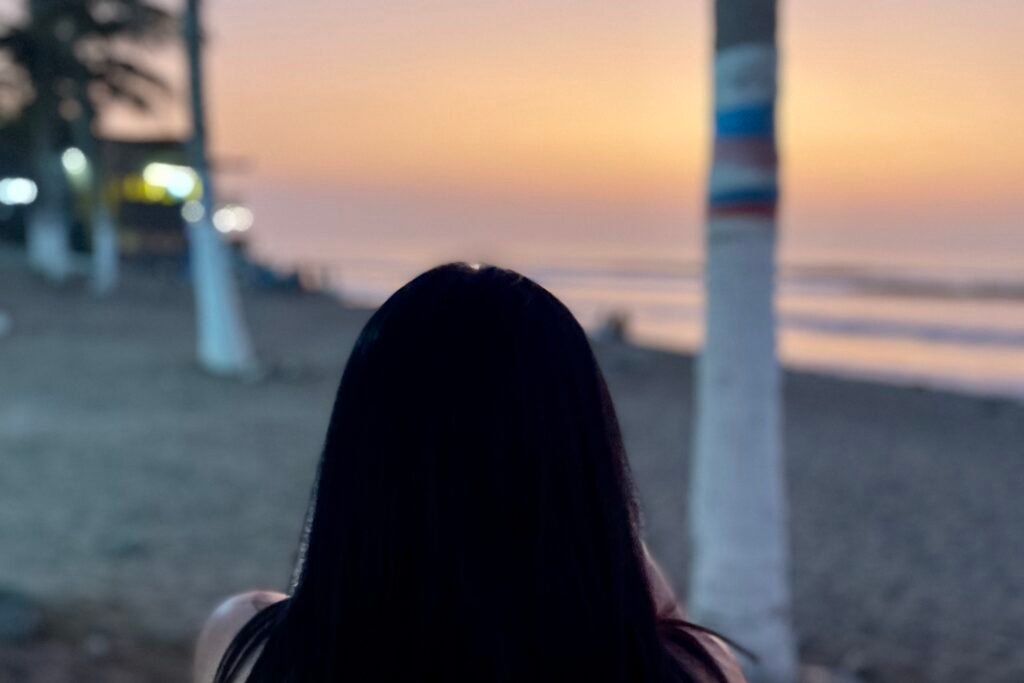
- The Experience: The first time I stayed in Huanchaco, I booked only two nights because I assumed it would simply be a convenient base for Chan Chan. I ended up extending my stay. There is something about the slower pace, the sunsets over the Pacific, and the coexistence of surfers and fishermen that makes it difficult to leave.
Don’t expect polished, resort-style infrastructure; Huanchaco’s charm is its informality. In my experience, it attracts a surprising number of European surfers, particularly from France, drawn by the consistent waves.
Watching the local fishermen head out on their caballitos de totora at dawn, sharing the same water where surf schools practice their craft, captures the unique duality of this place.
Is Trujillo Safe?
The reputation of Trujillo as a “dangerous” destination is, in my experience, significantly overstated. Like any major city, it has pockets where you shouldn’t wander after dark. However, these areas are well removed from the tourist zones.
In the Colonial Centre and Huanchaco, there is a consistent police presence, and I have never felt threatened in nearly two decades of travel here. Use common sense, keep your belongings secure in crowded markets, and you will find the city as safe as any other regional hub in Peru.
Where to Stay
- Colonial Centre: Stay here if you want to be within walking distance of the history and refined dining. It’s an urban experience in a colonial setting.
- Punta Huanchaco: Stay here if you want a relaxed, sea-focused trip. It is more affordable and casual.
Pro Trujillo Travel Tip: Of all the places I’ve stayed in Trujillo, the Punta Huanchaco Hostel is my favourite. It’s not far from the beach, has nifty little cafes and local food spots all around it, plus it’s well priced for single rooms with private bathrooms. It is however not suitable if you’re allergic to cats – as they have a lot of rescue cats.
What to Eat
Northern Peruvian cuisine is one of the most overlooked parts of the country’s food culture. If your understanding of Peruvian cuisine begins and ends with ceviche and lomo saltado, Trujillo will broaden your horizons quickly.
- Shambar: This is a non-negotiable experience—a complex, hearty soup of wheat, beans, chickpeas, and smoked meats. It is a Monday tradition. After timing my visits to coincide with Monday more than once, I’ve come to see shambar as one of those regional traditions that transforms a meal into a cultural experience.
- Causa Trujillana: Unlike the layered potato variations found elsewhere, the local version is a classic coastal staple often prepared with fresh fish or shellfish, reflecting the bounty of the Humboldt current.
- Pescado a la Trujillana: Look for this on local menus. It typically features fish poached in a flavorful sauce that highlights the region’s unique culinary profile.
- Salted Ham: Incorporating various cured and salted hams is a regional specialty; look for these in smaller, local establishments rather than tourist-heavy menus.
Pro Trujillo Travel Tip: On my 2024 trip with Dave, he insisted on trying ‘seco de cabrito’ from a ‘restaurante turistico’ in Punta Huanchaco. This was despite my best attempts at dissuading him from choosing a ‘tourist’ restaurant. It ended in him once again running for the bathroom. Always ask your accommodation providers for restaurants when trying a new dish like this.
How to Get Around
For movement between the Colonial Centre and Huanchaco, or to reach Chan Chan, use ride-sharing apps like Uber or InDrive. They are transparent and reliable.
If you are visiting the Huacas or want to tackle both the Huacas and Chan Chan in a single day, I strongly recommend hiring a private driver for the day. Hiring private transport provides the flexibility required to navigate these sites effectively.
The Northern Coastal Route
While many travelers choose the convenience of a short, inexpensive flight with Sky Airlines, I prefer the journey north from Lima to Trujillo by bus to see the desert landscape transition. This is one of those routes where the landscape gradually shifts from dense coastal cities to open desert stretches.
During a 2024 trip with my friend Dave, we managed a 9–12 hour total transit time by breaking the trip into segments: Lima to Huacho (2.5 hours), Huacho to Huarmey (4 hours), and Huarmey to Trujillo (4–5 hours). This turns a long travel day into a series of smaller, authentic coastal explorations.
How Many Days Do You Need?
- The Rush (2–3 days): Frantic. You must be disciplined with start times to avoid missing entry windows at sites like Chan Chan.
- The Immersion (4–5 days): This allows you to split time between the colonial center and the surf culture of Huanchaco. It gives you the space to actually eat shambar on a Monday and wander the museums without needing to keep an eye on the time.
Suggested Itinerary
- Day 1: The Colonial Core. Wander the Plaza de Armas and historic mansions. Watch the sunset from the balcony of the Salón de Té Santo Domingo.
- Day 2: The Moche Heritage. Start early at the Huacas del Sol y de la Luna. Visit the Moche Museum. Spend the evening in Huanchaco.
- Day 3: The Chimú World. Dedicate the morning to Chan Chan. Spend the afternoon in Huanchaco observing the fishermen and the surf.
- Day 4 & 5: The North Coast Rhythm. Explore smaller local markets, sample regional ham dishes, or take a surf lesson. This is where you move from “visiting” to “experiencing.”
Frequently Asked Questions
Is Trujillo worth visiting?
Yes, particularly if you have more than ten days in Peru and want to experience the country’s northern coast, pre-Incan history, and regional cuisine.
How many days should I spend in Trujillo?
Two to three days covers the highlights, while four to five days allows you to experience Huanchaco and the region at a slower pace.
Is Trujillo safe for tourists?
In my experience, yes. Tourist areas such as the Colonial Centre and Huanchaco feel no more risky than comparable Peruvian cities, although normal precautions still apply.
What is Trujillo famous for?
Trujillo is famous for Chan Chan, the Huacas del Sol and de la Luna, its colonial architecture, Huanchaco surf culture, and regional dishes such as shambar. It’s also famous for the Peruvian Paso horse and Peru’s national dance, called the Marinera. And the Marinera Norteña is to Peru, what the Tango is to Argentina.
A Final Note
Trujillo won’t appeal to everyone. But if you’re interested in Peru beyond its most famous landmarks, willing to slow down, and curious enough to explore a different chapter of the country’s history, I suspect you’ll leave wondering why more people don’t make the journey north.
Trujillo Deserves a Better Itinerary
Trujillo is more than a quick detour; it’s the gateway to the North Coast’s most important history. But it’s easy to get lost in the surface-level recommendations that don’t show you the real city. Let’s map out a trip that ignores the tourist traps, focuses on the logistics that actually make sense, and keeps your travel grounded in what’s authentic.