If you’ve spent five minutes researching Peru, you’ve been fed a script. Book a hotel in Miraflores, walk the Malecón, pay too much for tourist-menu ceviche, and fly out to Cusco the second you can.
Most people visit Lima without ever really experiencing it.
I’ve been coming to Lima since 2007. I’ve spent months living in Barranco, Miraflores, and Lince, and I’ve spent years calling Pueblo Libre home. I’ve lived in the tourist bubbles, and I have lived in the real city.
This guide isn’t here to parrot back recycled advice. It’s here to show you how to actually experience the capital of Peru. Because Lima is where Peru as a country starts to make sense — historically and culturally.
Lima At A Glance
- Region: Lima Province
- Primary Gateway: Jorge Chávez International (LIM)
- Ideal Duration: 3–4 Days (City focus)
- Climate: Coastal Desert (Humid/Cloudy vs. Sunny)
- Stay Neighborhoods: Barranco, Miraflores, Pueblo Libre, San Isidro
- Culinary Scene: Creole, Chifa, Nikkei, World-Class Fine Dining
- Logistical Focus: Airport Transfer & District Connectivity
Is Lima Worth Visiting?
The short answer is yes—but only if you ditch the tourist bubbles. Most travelers leave Lima disappointed because they stay in the coastal districts, which are sanitized, overpriced, and unrepresentative of the city’s soul.
More importantly, if you skip Lima, you fall into the same trap the conquistadores fell into 500 years ago. They saw the traces of the Inca, assumed that was all there was to Peru, and wrote history from that limited perspective.
The reality is that the Inca were around for 336 years, but they only actually ruled for about 100. By skipping Lima’s museums, you miss the multi-millennia history that dwarfs the rise and fall of the Inca empire.
Lima is a powerhouse of ten million people, it’s the capital city of a country that is one of the great “cradles of civilization” and that is home to some of the world’s oldest civilisations. It’s also one of the most culturally complex cities in South America.
Lima wasn’t called the “city of kings” by accident. And if you skip Lima, you’re skipping the context that allows you to make sense of what you’ll see during the rest of your trip to the Andes and the Amazon.

How Many Days Do You Need in Lima?
Don’t treat Lima as a 24-hour layover. You need a minimum of 3 full days at the start of your trip. My first trip to Peru followed the standard tourist route: Lima, a quick night in a hostel, then straight to Cusco.
It took me years to realize that I had skipped the key that unlocks the rest of the country. The treasures that explain the true depth of Peruvian history are housed in Lima’s museums, not in the Sacred Valley.
- 1–2 Days: You’ll only see the surface. You’ll be rushed and won’t have time to process the museums.
- 3 Days: The sweet spot. One day for the historic core and catacombs, one day for the museums in Pueblo Libre, and one day to explore local markets and neighborhood life.
- 5+ Days: You have time to venture to Callao, explore Gamarra, take a day trip to Caral, and actually understand the rhythm of a city this massive.
Understanding Lima’s Districts: Why the Tourist Bubble Exists
Lima is often described as a “collection of different cities” rather than one cohesive metropolis.
- The Origins of Lima’s Tourist Bubble: Two decades ago, tourism infrastructure clustered in Miraflores and Barranco. And the following businesses copied those first movers.
- The Touts: Because these areas were built to service tourists, they attracted the touts and scammers. Where tourist go, the touts and scammers follow because just like “bees go where the honey is at, thieves go where the money is at.”
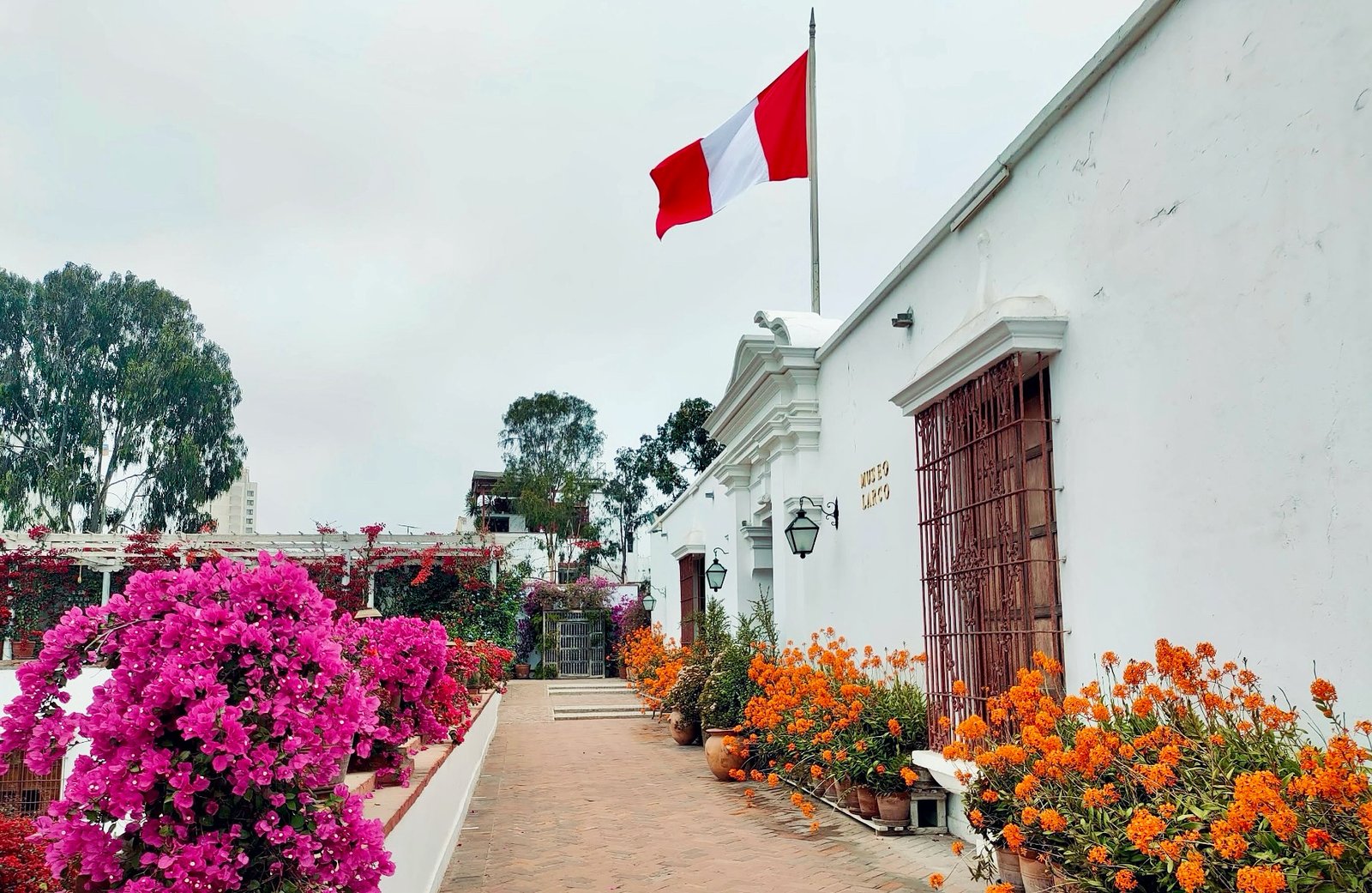
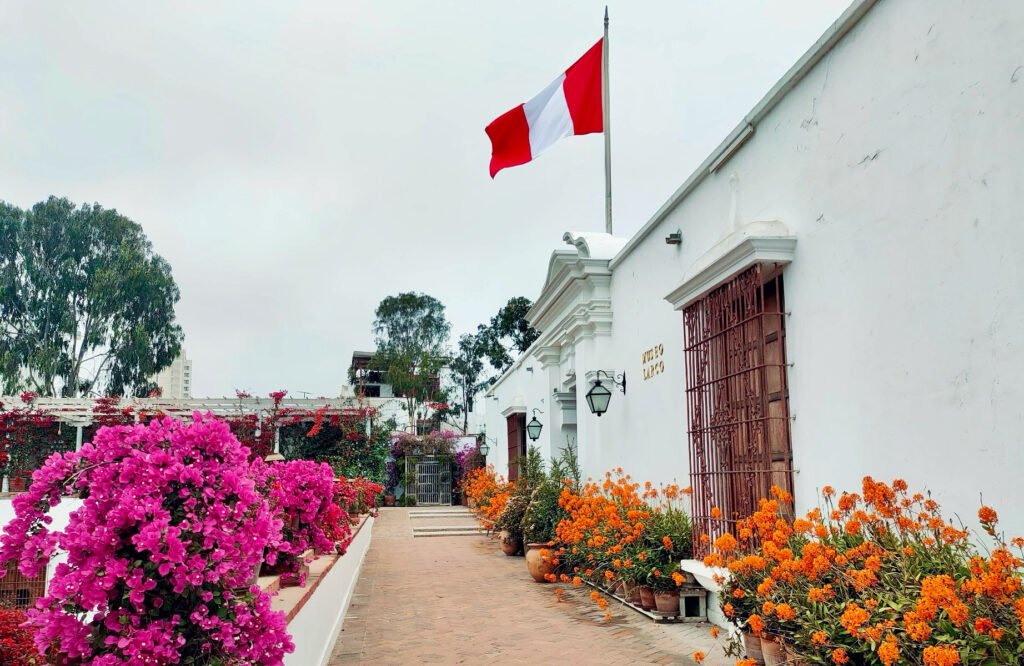
- The Monumental Reality: Districts like Pueblo Libre are home to the country’s most important history—the Larco Museum, the MNAAHP, the Quinta de los Libertadores, the oldest rural church, and the largest archaeological sites like Mateo Salado.
- The Disconnect: On any given day, tourists queue outside hostels and backpacker bars in Miraflores while some of Peru’s most important artifacts sit quietly in Pueblo Libre. These monumental sites cannot be relocated to the coast just to suit tourist convenience. The disconnect is remarkable, as most visitors never actually reach the places where the city’s true history is anchored.
Where to Stay in Lima: Why I Avoid Miraflores
After living across the city’s most touted neighborhoods, I eventually moved to Pueblo Libre and stayed.
- The Miraflores/Barranco Trap: These districts are designed to keep you inside a foreign bubble. From what I’ve observed, they are filled with touts who view you as an affiliate commission or an easy mark to scam, rather than a visitor.
- The “Authentic Axis” (My Recommendation): Base yourself in Pueblo Libre, Magdalena del Mar, or Jesús María. After living in those coastal districts, I found this area offered a better balance of authenticity, convenience, and day-to-day livability. It is safer, more authentic, and perfectly positioned between the airport and the UNESCO Historic Center of Lima. It’s where the city actually lives.
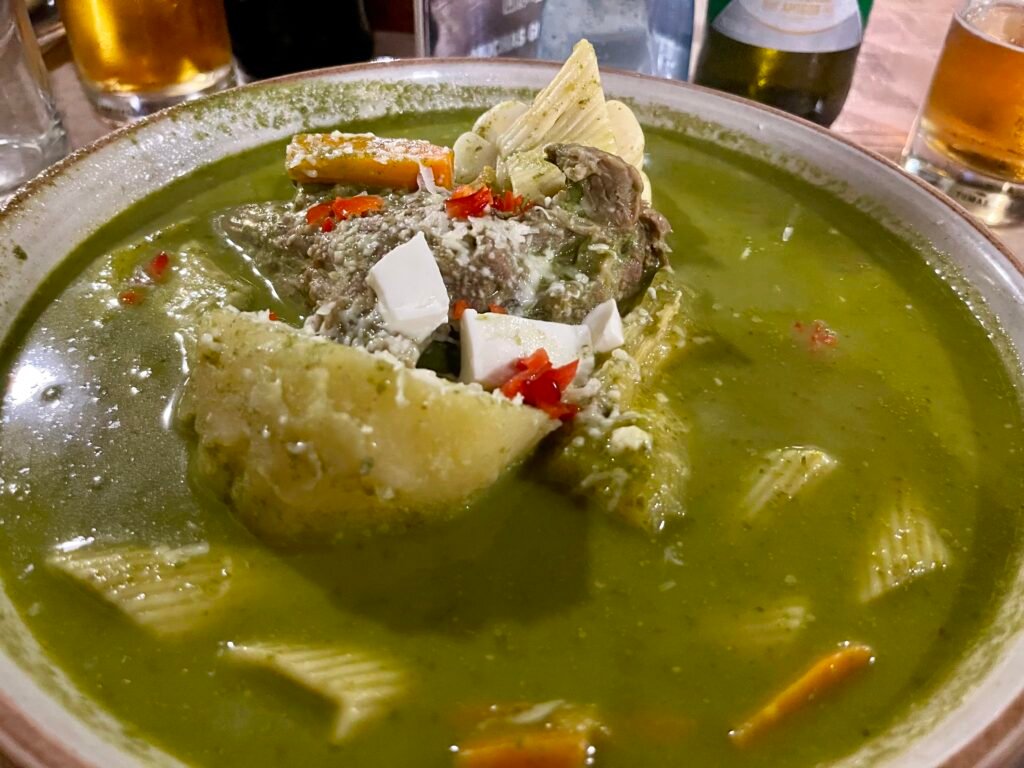
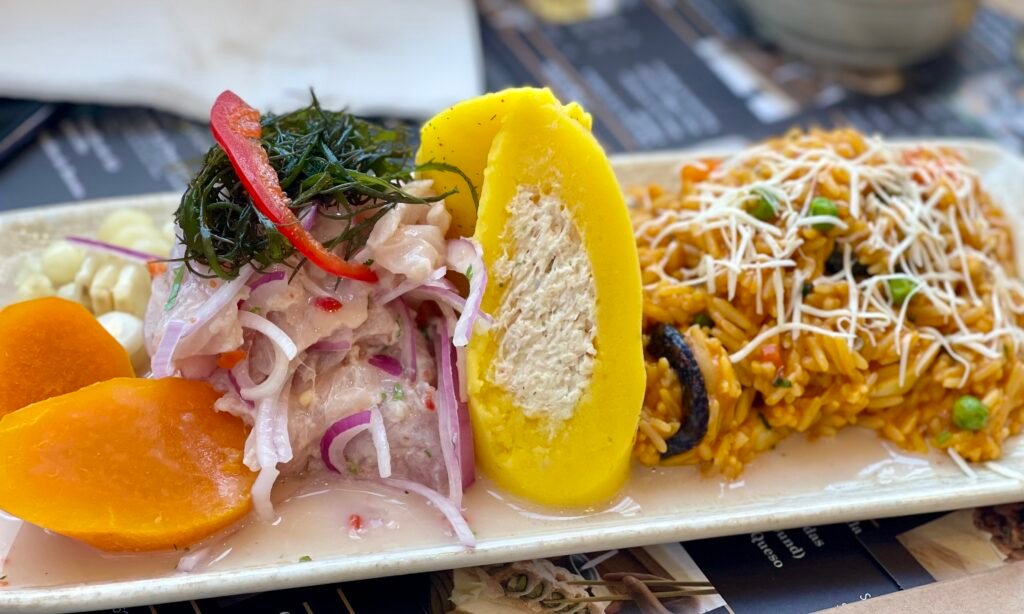
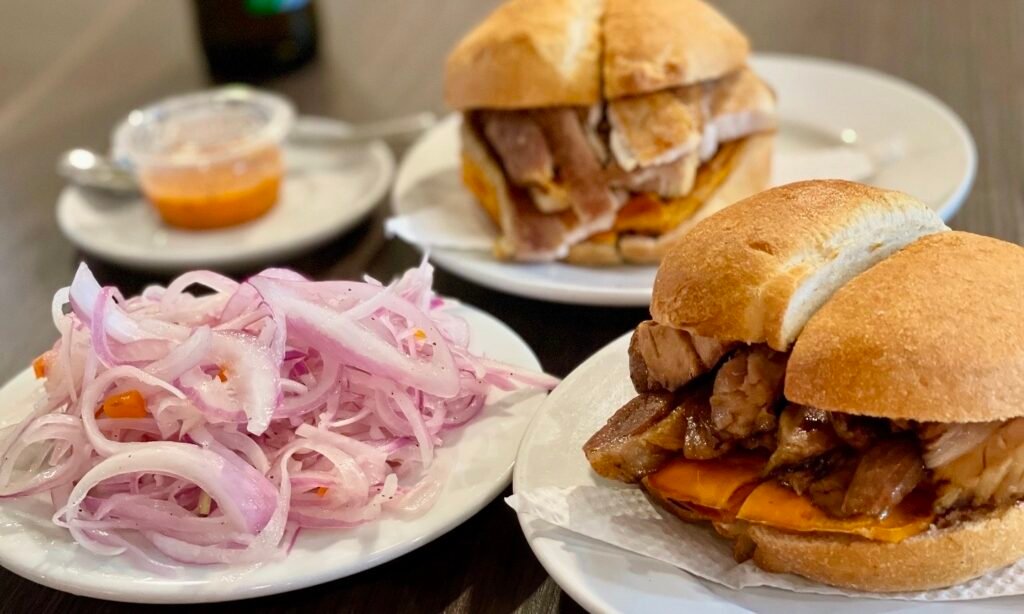
Pro Lima Travel Tip: The Magdalena market and its surroundings are one of the best places to try ceviche and a variety of Lima’s famed street foods. Jesus Maria is home to a large Peruvian-Japanese community and is a fantastic place to find authentic Nikkei cuisine without the crazy tourist prices. Pueblo Libre is not just home to museums, it’s also one of the best places to try authentic Peruvian creole cuisine.
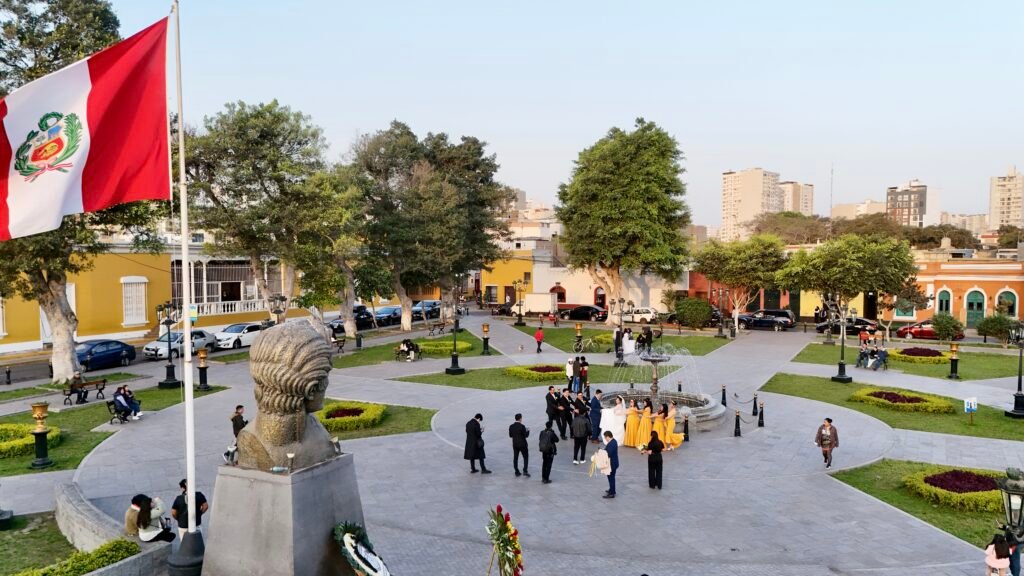
Best Things To Do In Lima (Beyond the Tourist Traps)
- Discover Peru’s Ancient History: Skip the generic tours. Head to the Larco Museum and the MNAAHP in Pueblo Libre. These collections are world-class and essential for understanding why Peru is labelled one of the “cradles of civilization”.
- Explore the Historic Core & Catacombs: The UNESCO Historic Center of Lima is chaotic, loud, and packed with history. You cannot miss the catacombs at the Convento de San Francisco—an eerie, subterranean look at the city’s colonial foundations.
- Experience Local Food & Textiles:
- Magdalena del Mar: Head to the local food market here to see the produce that fuels Lima’s famous culinary scene. It’s also one of the best areas in the city to find fresh, authentic ceviche.
- Gamarra (La Victoria): This is the textile heart of the Americas. It is purely a textile market and should only be visited by day. While in La Victoria, seek out the local ceviche spots—like Mi Burrunto – again, strictly a daytime activity.
- Eat Like a Local: Forget the “don’t eat from a cart” advice. If a street food cart has a municipal health logo and a line of locals, it’s safer than some of the fancy restaurants because of the high stock turnover. For a sit-down meal, Antigua Taberna Queirolo and El Bolivariano are my non-negotiable stops.
- Visit Callao: From the star-shaped Real Felipe Fortress to the street art in Monumental, it’s a gritty, vibrant side of the city that most travelers are too scared to visit—but shouldn’t be.
Pro Lima Travel Tip: I would recommend everyone visiting Lima book themselves a free walking tour of the UNESCO Historic Center of Lima and a free walking tour of Pueblo Libre. Plus, I would recommend booking a food tour that incorporates Magdalena del Mar and the Magdalena market.


Getting Around Lima: The Logistics of Reality
Forget the “official” tourist transport companies—they rely on your anxiety to charge 5x the price. I use Uber, InDrive, and Cabify exclusively.
Linking a travel debit card like Wise to Uber provides transparent, set-price trips. It’s safe, easy, and the preferred method for anyone who actually lives here.
Lima is not the war zone the forums claim. Use common sense, avoid peak traffic, and trust the app’s logic.
Pro Lima Travel Tip: Turn on code verification in the Uber app. That way, in order to start the ride, you need to provide the code from the app to the driver. Also, if your driver asks you multiple times if you’re really sure about where you want to go, that’s the polite local way of suggesting maybe you set the wrong location in the app and you shouldn’t venture into that part of town.
Best Day Trips From Lima
Once you’ve settled in, use the city as your launchpad:
- Caral: The oldest archaeological site in the Americas. It is the birthplace of Andean civilization and offers a stark, revelatory look at human history before the Inca.
- Paracas & Ica: The desert coast, the islands, and the Pisco heartland. Perfect for those who want a dramatic change of scenery from the capital.
If you’re choosing just one day trip from Lima, make it Caral. Most visitors know Machu Picchu but have never heard of the civilization that existed nearly 4,000 years earlier. Visiting Caral completely changes how you understand Peruvian history and provides context for everything you’ll later see in Cusco, the Sacred Valley, and beyond.
Pro Lima Travel Tip: The sea-lion tours of the Ballestas Islands are marketed as a ‘mini-Galapagos’. But take it from someone who has actually been to the Galapagos, they’re nothing alike. And while tourists may want to take those tours, in my experience, more than 50% of those that do take the Ballestas Islands tours end up regretting it. And that’s because it’s cold, smells like seal poop and half the boat gets seasick.
Frequently Asked Questions
Is Lima safe for tourists?
Lima is generally safe for tourists if you use standard big-city awareness and stick to reliable transport options. Use common sense, avoid peak traffic hours, and let your local Uber or InDrive driver act as your filter—they know the city blocks better than any blog.
Can you use Uber in Lima?
Yes—Uber is widely used in Lima and is one of the safest and most reliable ways to get around. Linking a travel card to the app provides transparent, set-price trips, helping you avoid the “tourist tax” often associated with unvetted local transport.
Is Pueblo Libre a good place to stay?
It is arguably the best base for a traveler who wants convenience and authenticity. It’s safer, more authentic, and perfectly positioned between the airport and the UNESCO historic center.
Is Lima worth visiting before Cusco?
Absolutely. If you skip Lima, you fall into the trap of only seeing the Inca remnants. Starting in Lima provides the multi-millennia context that makes the rest of your trip to the Andes make sense.
Can Caral be visited as a day trip from Lima?
Yes, in my opinion it is one of the best day trips available. It’s the oldest archaeological site in the Americas and Caral offers a stark, revelatory look at human history long before the Inca existed.
Plan Your Trip to Lima
- When to Visit Lima: Why Lima in June Works
- When to Visit Lima: Why Lima in December Works
- What to Pack for Lima
- Pueblo Libre: A Closer Look
- Airport Logistics: Getting from Jorge Chávez
- Where to Stay in Lima: My Neighborhood Guide
- Lima to Trujillo: the route I’d take today
Don’t Gamble on Your Peru Trip
Stop guessing where to stay and who to trust. Benefit from 15+ years of experience and let me help you build a vetted itinerary for Peru, that avoids the traps of the coastal tourist bubble.