The Pilsen was cold, but it tasted like wet cardboard. I was sitting on the muddy bank of the river, staring at the brown water of the Tambopata, and realized I kept having to brace myself with one arm to stop from falling sideways. The air never seemed to drop below the mid-30s, yet I was shivering.
The $500 Leak and the T-Shirt Cure
A few days prior, I had been in an amazon lodge deeper in the Tambopata Reserve that cost $500 a night. The toilet in my room wasn’t bolted to the floor; it leaned precariously, leaking sewage onto the tiles every time it was used. The bathroom smelled of damp, rotting wood and never seemed to cool down.
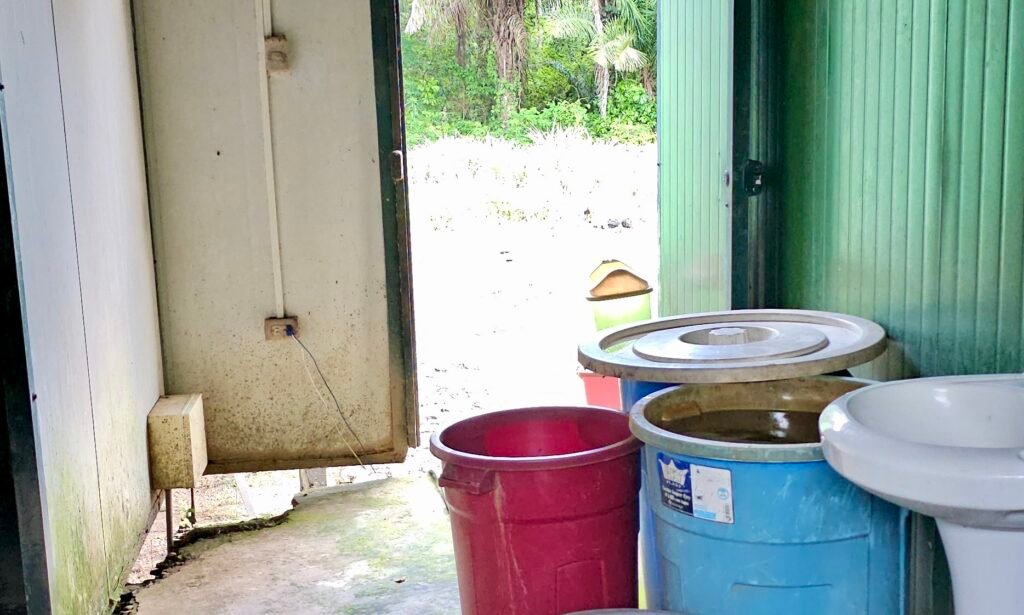
Termites were actively dismantling the cabinetry, and the mosquito netting over the bed was a landscape of holes that someone had tried to plug with wadded-up toilet paper. I had moved to a cheaper place closer to Puerto Maldonado to evaluate other lodges, but by the time I was on that riverbank, the transition was a blur of boat engines and humid air.
The guides at the new lodge moved me into a premium room and didn’t ask many questions. They asked where I’d been, how long I’d been there, and whether I’d had my vaccinations. Then they immediately assumed it was Dengue.
Nobody in the basin waits for a lab result before deciding what you probably have. For eighteen hours, I disappeared into sleep. When I finally surfaced, it was to the sound of rain drumming on the roof and a guide sticking his head through the door.
He held out a can of beer as a test. When I shook my head, he nodded. He knew that if an Australian refuses a beer, the situation is no longer a suggestion.
He returned with a cold, green liquid in a mug. He had taken baby papaya leaves, ground them into a paste, and strained them through his own t-shirt into fresh coconut water. It smelled like a lawnmower blade and tasted like blended parsley and sweat.
I swallowed it because there was nothing else to do. The fever broke eventually, but my knees and back felt like they had been handled by a vice for the next month.
Silt, Surf Shoes, and the Pink Shine
By the time the dry season arrived, the mosquitoes were replaced by silt. I was south of Lake Sandoval, fishing from sandbars, and had swapped my usual Converse for neoprene surf shoes. They were squelching traps of sweat, river mud, and dead ants.
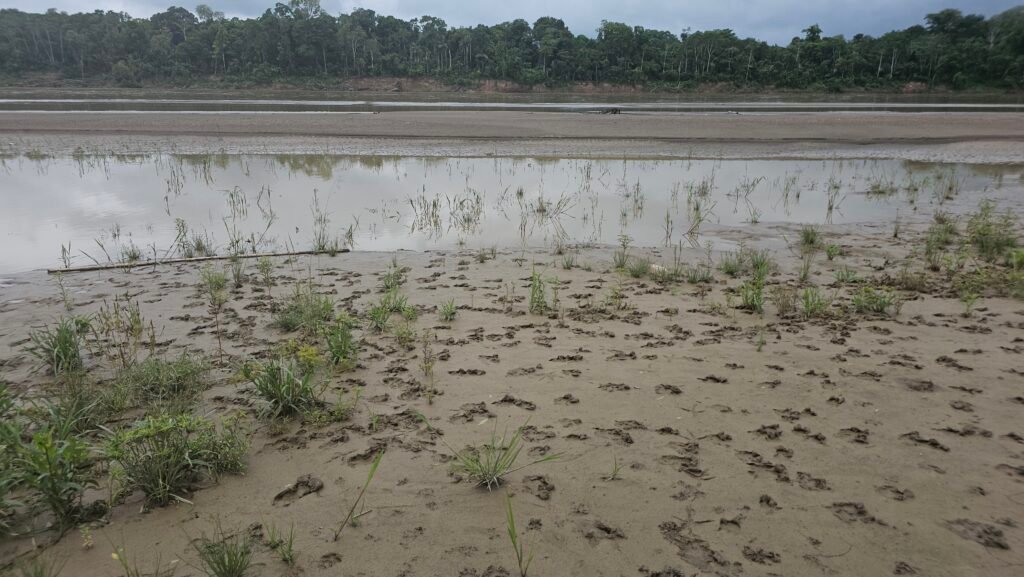
We took a ninety-minute hike inland to a hidden oxbow lake to find Arapaima, and on the way back, I stopped in the dark to check on the rest of the group. The stinging started instantly. I shone my torch down and saw my feet disappearing under a carpet of leaf-cutter ants carrying neon green fragments of foliage.
I swatted them off and finished the hike barefoot, stepping through rotting vegetation and hard-packed mud. I spent the rest of the week barefoot, even walking across the silt of Monkey Island. I only realized the island had left its mark on me when I was swimming in the Heath River and felt small fish picking at the ticks on my legs.
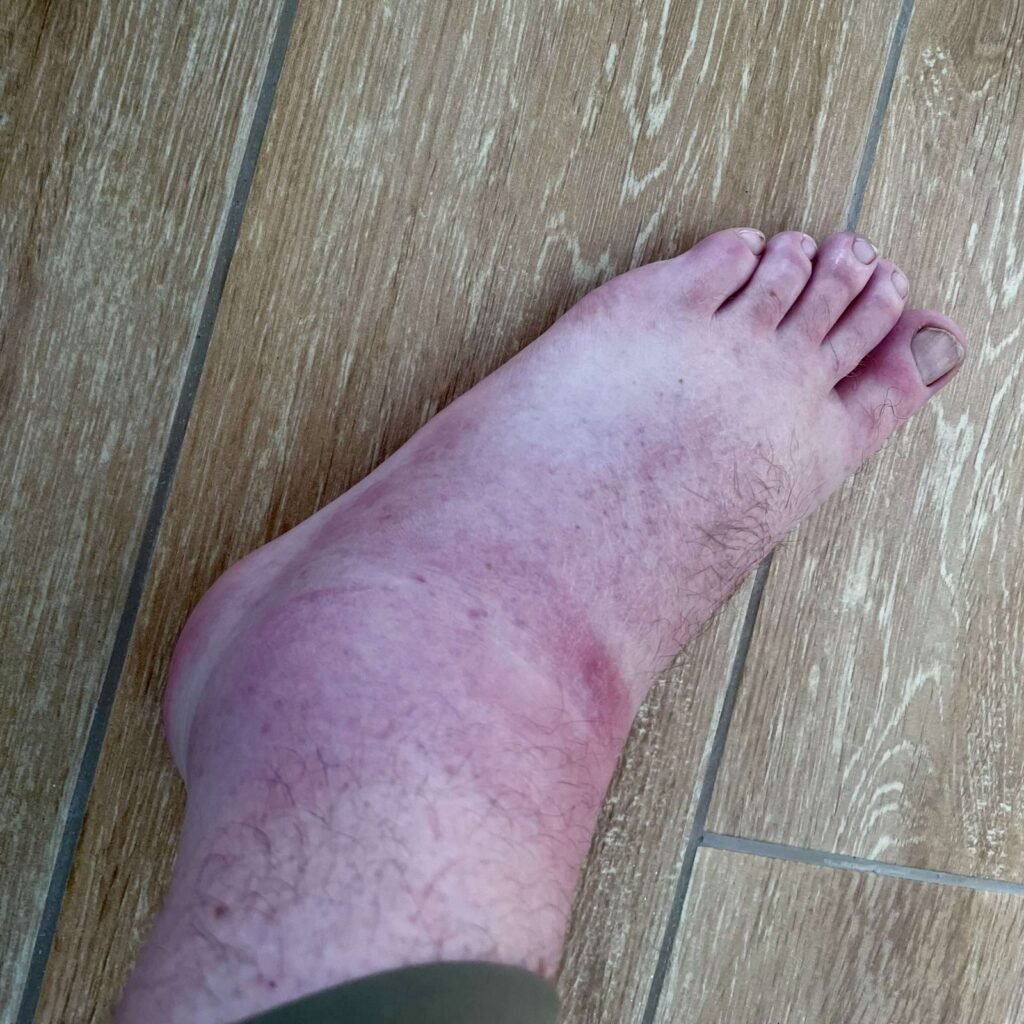
I didn’t see the reality until I reached Lima. I sat on the edge of the bed and tried to lace up my shoes, but I couldn’t even get them on. My ankles had vanished.
My feet had a tight, pinkish shine to them, puffed up and yielding like overfilled balloons. When I flexed my toes, the skin felt like it was going to split.
The Turtle of the Interoceanic Highway
My friend Dave had flown in from Canada with enough fancy gear to outlast a small war: satellite phones and a heavy regimen of antimalarials he’d been taking since before he landed. While I was navigating the silt, Dave was getting dismantled by the side effects. He was running into the trees five times a day.
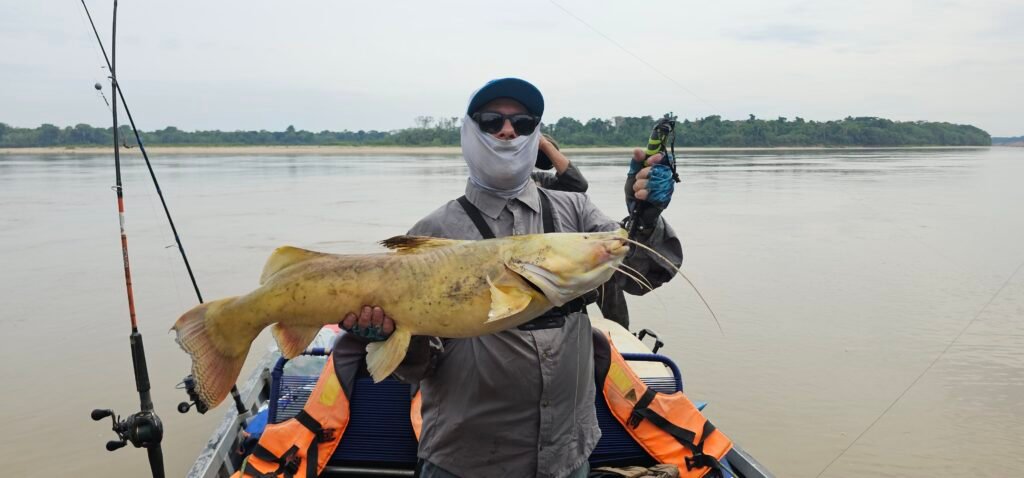
One morning on a sandbar along the Madre de Dios, Dave emerged from the brush looking for a lost phone. One of our guides eventually found it. He had seen a small, disturbed mound of sand with marks on either side, resembling the way a turtle buries its eggs.
He had been hoping for breakfast; instead, he unearthed Dave’s electronics. From that moment on, Dave was “The Turtle”. On the long drive back toward Cusco, as we climbed the 30C Interoceanic Highway, the urgency didn’t fade.
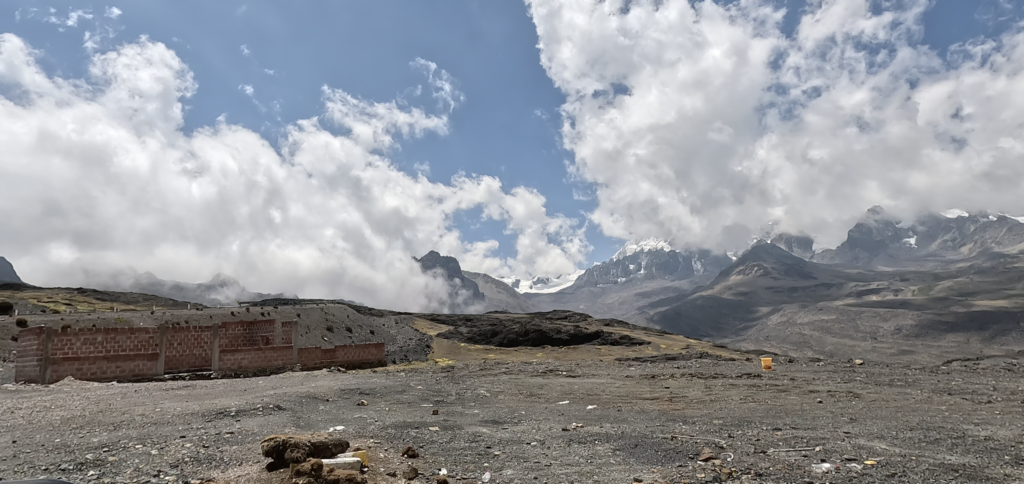
We had a small emergency canister of oxygen in the back seat for the altitude, although by that point Dave’s problems were occurring several systems lower. At Abra Pirhuayani—the highest pass on the route at 4,725 meters—Dave needed to move again.
He vanished toward a half-built, derelict brick shack in the dark while the massive, snow-capped peak of Ausangate loomed in the distance. Dave emerged a moment later, having finished making an offering in the shadow of the most sacred mountain in the Andes.
Somewhere between the basin and the mountains, the trip had stopped feeling like an itinerary and started feeling like a slow negotiation with the environment. In the Amazon, the environment keeps score slowly.
Most things start as something forgettable—a leaking toilet, a wrong pair of shoes, or an extra pill. The danger isn’t the drama you prepare for; it’s the accumulation of the things you don’t.
Don’t Treat Medical Coverage as Optional
The Amazon is a high-risk, low-access environment where a minor infection can quickly escalate into a complex multi-day evacuation. Standard travel insurance often fails to cover emergency extraction from remote jungle lodges. Secure the right coverage before you leave the grid.