There is a specific kind of mistake travelers make in Cusco. They look at a map, see the distance to the Amazon, and book a flight to Puerto Maldonado. They want to reach the jungle fast, but in their rush to arrive, they miss the most cinematic transition on the continent.
When you fly, you land in a flat, humid basin. But when you drive the 30C Interoceanic Highway, you witness the world transforming. By skipping the six-hour descent, you miss the moment the thin, freezing Andean air suddenly turns heavy with the scent of wet earth and aggressive, breathing green.
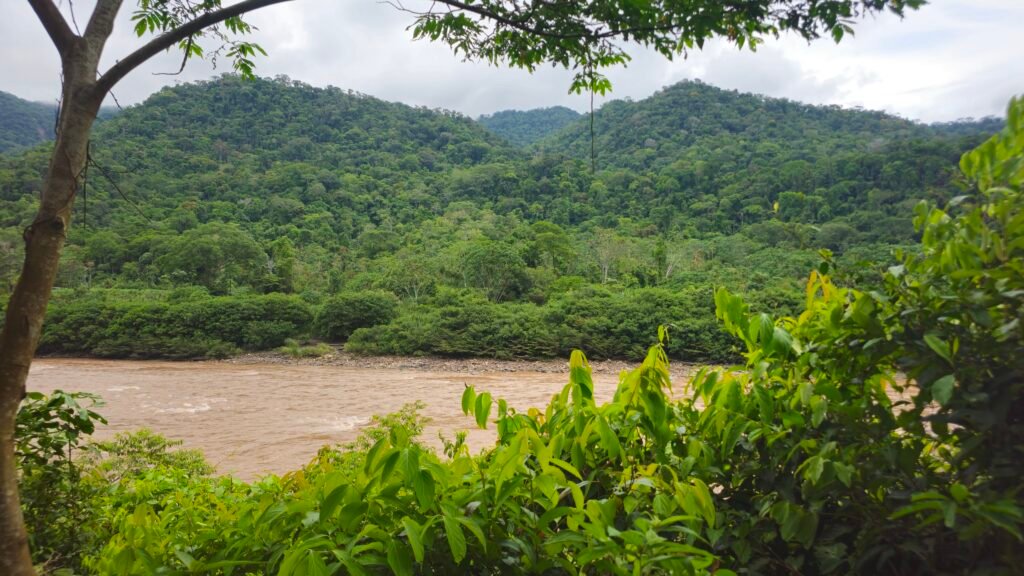
The Camanti Cloud Forest is the lush, vertical transition zone between the high Andes and the Amazon basin. It sits about halfway between the cobblestones of Cusco and the lowlands of Puerto Maldonado, marking one of the most visually dramatic and overlooked landscapes in Peru.
Unlike many better-known cloud forest regions in Peru, most travelers experience this landscape as part of the overland journey between the mountains and the jungle, rather than as a standalone destination. Along this stretch, you can stop for short hikes, world-class birdwatching, and small-town experiences in places like Quincemil. After spending years traveling between Cusco and the Amazon lowlands of Tambopata, this stretch of road stands out as a defining Peruvian experience.
Quick Facts: The Camanti Cloud Forest
- Location: Between Cusco and Puerto Maldonado along the 30C Interoceanic Highway.
- Best Way to Visit: By road (private car or shared transport) to experience the elevation change.
- Travel Time: Approximately 6–8 hours from Cusco.
- Best Time to Go: The dry season (May–October) for safer road conditions.
- Key Highlights: Vertical Amazon biodiversity, Quincemil cuisine, and dramatic Andean-to-jungle vistas.
Getting to the Camanti Cloud Forest
The most common way to experience the Camanti Cloud Forest is by road along the Interoceanic Highway, either by private car, shared transport, or as part of a journey between Cusco and Puerto Maldonado. There are no major tour hubs here, which is part of what keeps the region raw and relatively untouched.
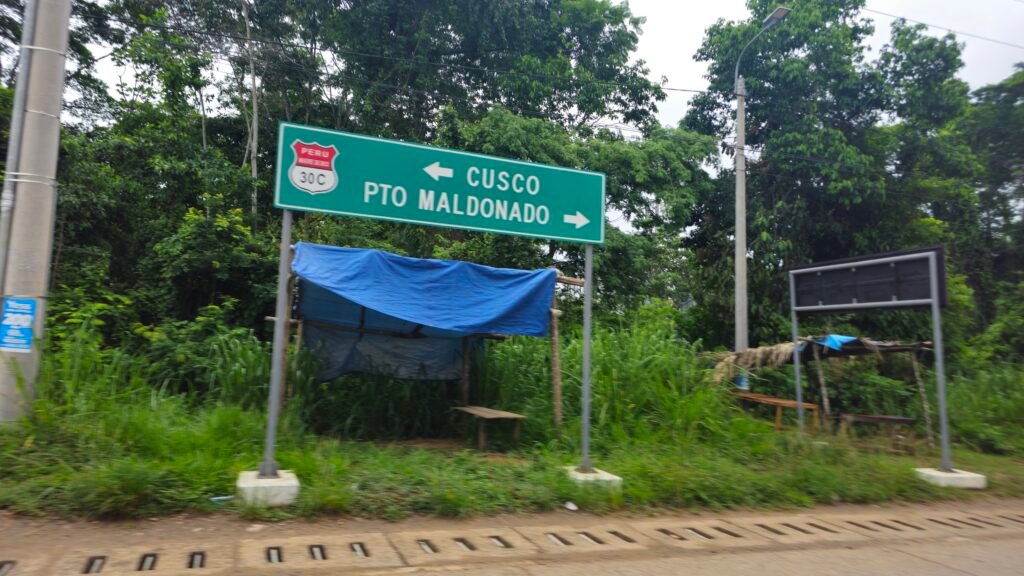
The drive from Cusco to the edge of the jungle offers dramatic scenery that begins to unfold the moment you pass the high mountain pass at Abra Pirhuayani.
Leaving the Clouds Behind
Our journey began at Abra Pirhuayani, the high mountain pass above Cusco. At 4,725 meters, the world is made of grey stone and a glacial silence that feels almost ancient. But as you tip over the edge and begin the “Great Descent,” the landscape starts to move.
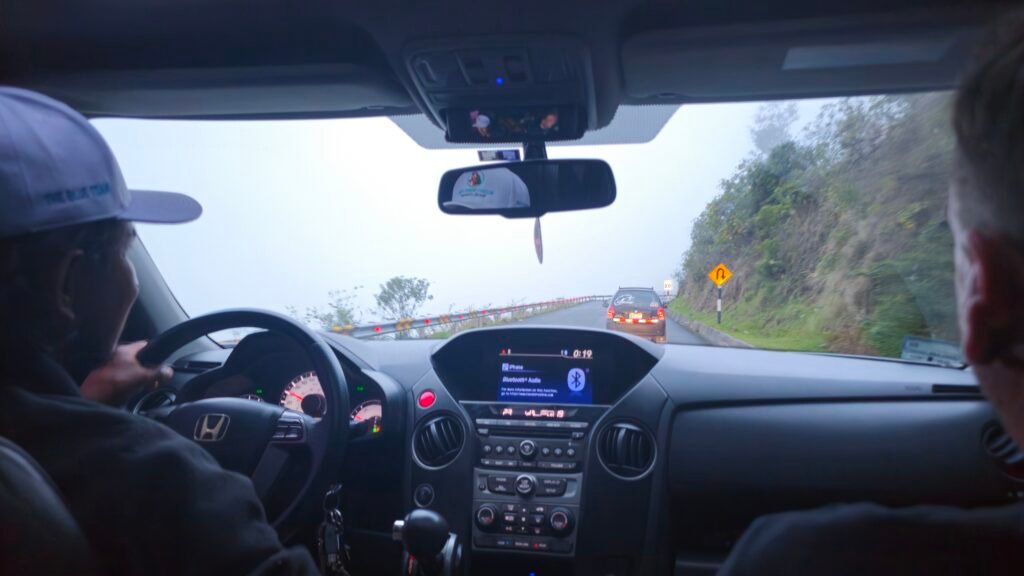
For those hours, your ears pop rhythmically as you drop nearly 4,000 meters in elevation. The road is a masterpiece of engineering that feels as though it’s barely holding on to the mountainside.
I watched the mist roll up from the valley floor to meet us, turning the windshield into a blurred, shifting lens of white and emerald. It felt as though the forest was holding its breath as we passed.
Where the Jungle Reclaims the Road
In Camanti, nature doesn’t just grow; it colonizes. You’ll see vines draped over power lines like velvet curtains and moss slowly swallowing road signs.
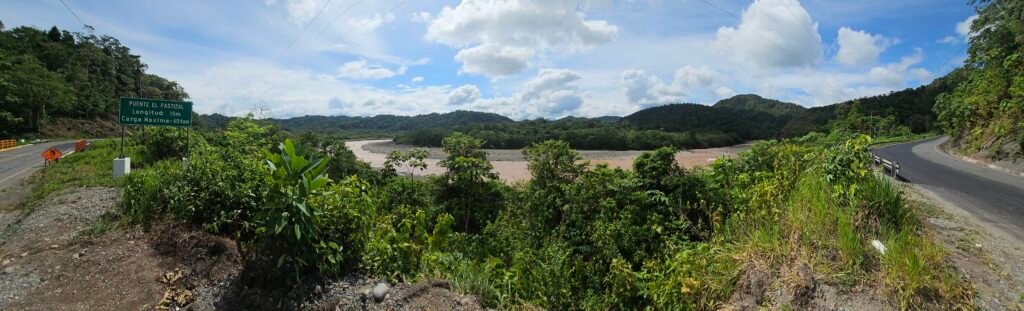
Rare orchids bloom in the humid shadows of roadside branches, and you’ll see recognizable houseplants—anthurium, alocasia, and philodendron—overflowing from corrugated metal rooftops, claiming the iron as their own. It’s a raw, high-energy environment where the sound of running water is a constant, low-frequency hum.
The highway follows the river’s curve, offering a front-row seat to one of the most dramatic ecological shifts on earth. But it is also unpredictable.
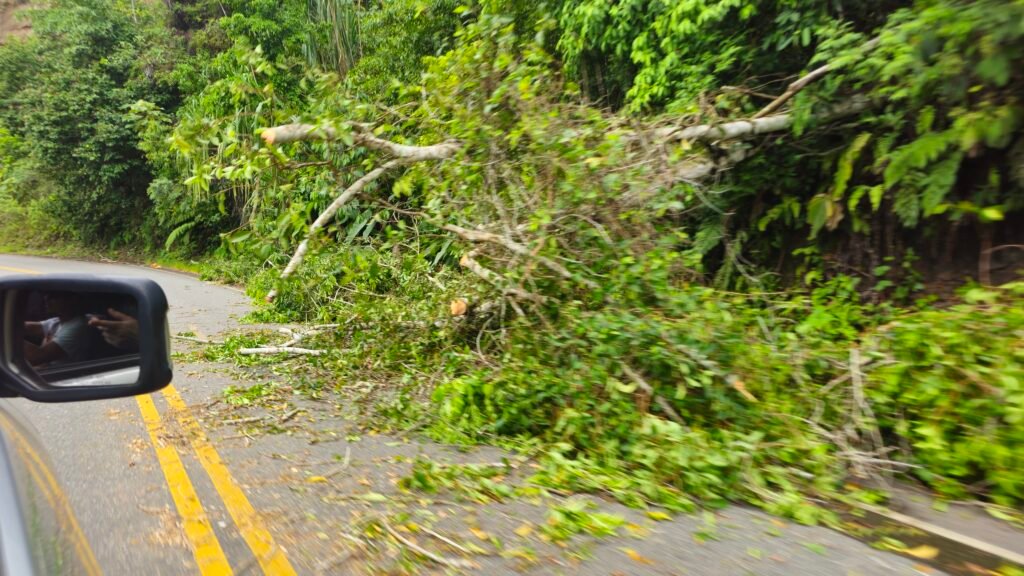
Especially during the rainy season, flexibility is essential; the forest often tries to reclaim the pavement. We came around one bend to find a massive tree sprawled across the road—a visceral reminder that out here, we are very much guests in someone else’s home.
Small Rituals in Quincemil
When the humidity finally hits you like a physical wall, you’ve reached Quincemil. This isn’t a place for dry schedules; it’s a place for small, necessary rituals that I’ve come to value after two years living in Peru.
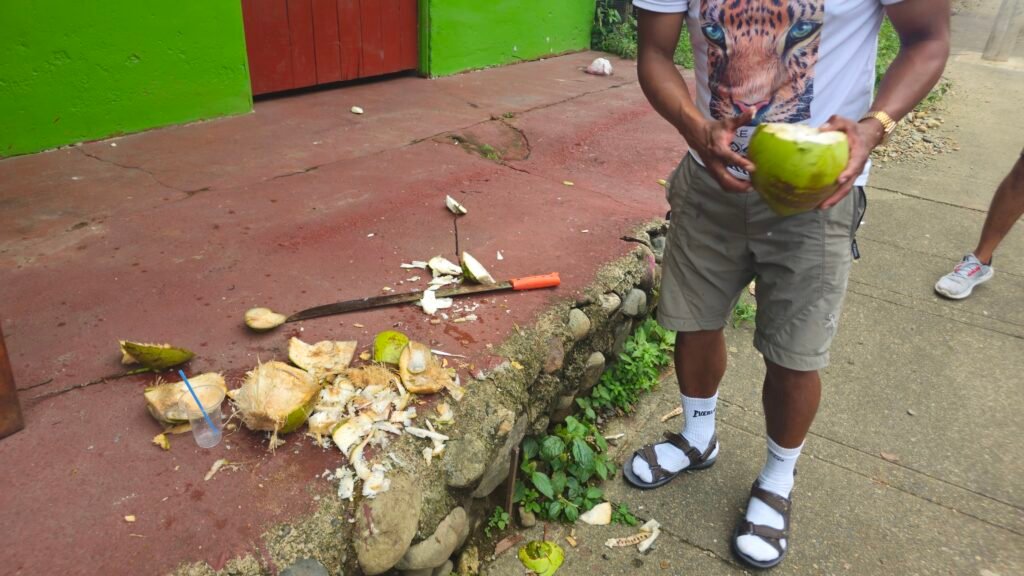
- The Refreshment: We stopped for a fresh coconut, watching a local vendor open it with a machete. It wasn’t a performance; it was the only way to get a drink cold enough to cut through the rising tropical heat.
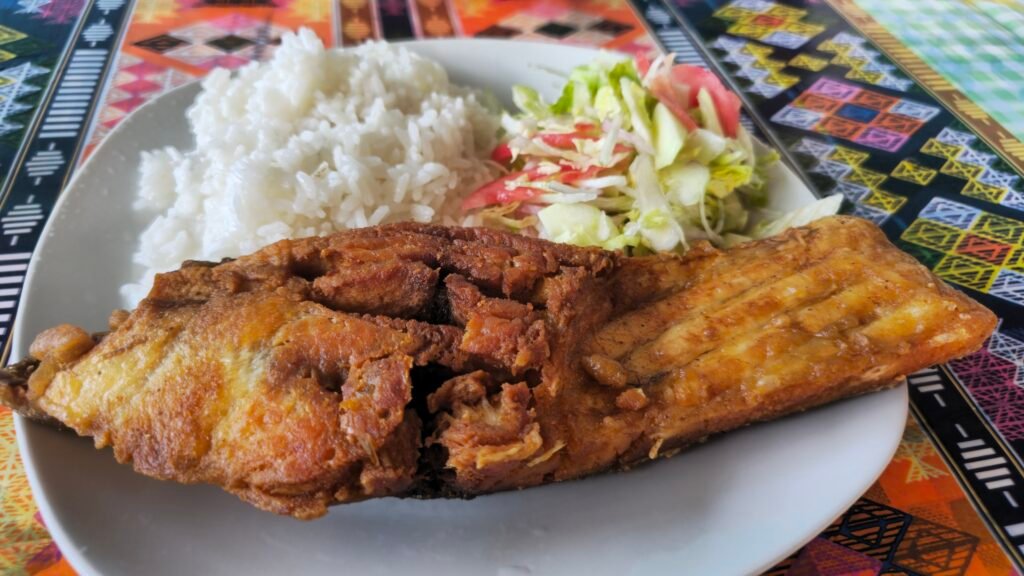
- The Meal: We found a plate of Paco fish—fresh, fatty, and fried to a perfect crisp. It’s the kind of meal that anchors you to the region. You aren’t just passing through anymore; you’re eating the river you’ve been following for the last hundred miles.
The Lessons of the Bridge
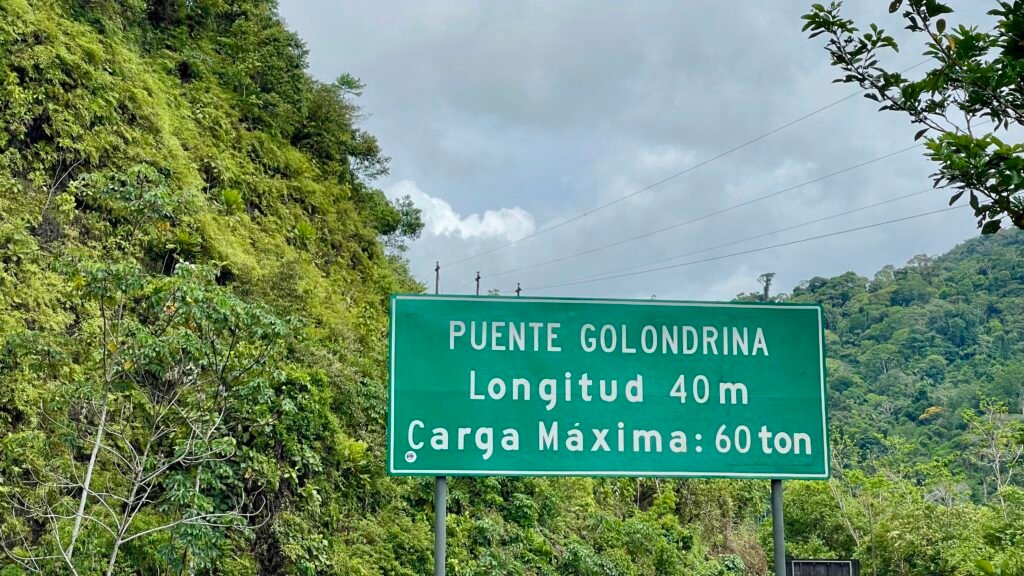
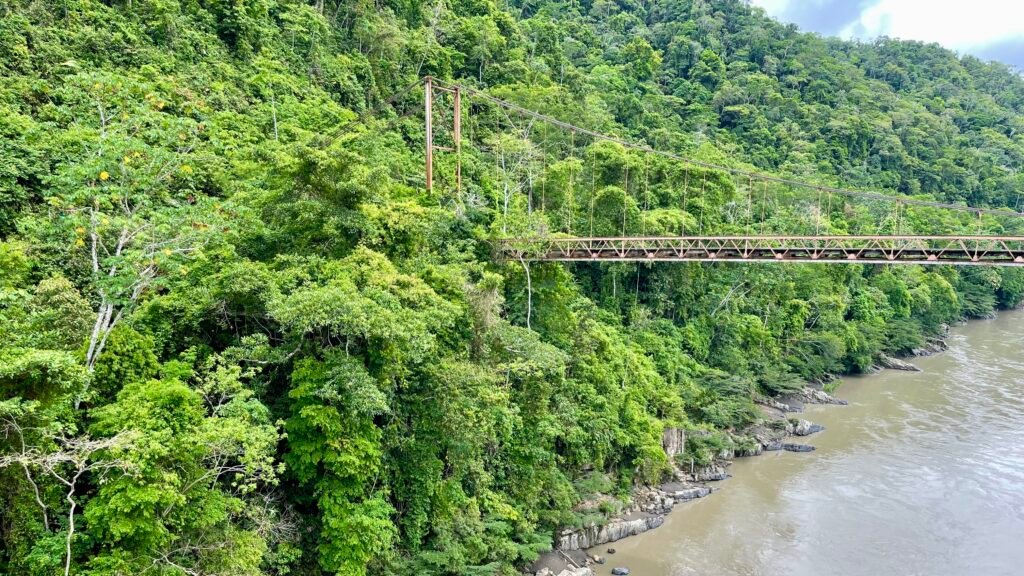
Further down the road, near Puente Golondrina, the real power of the vertical Amazon reveals itself. Old, rusted suspension bridges sit right next to the new ones, already being swallowed by vines. The jungle is a patient architect.
This landscape forces you to slow down if you want to see the real magic. My friend Dave once spent twenty minutes just staring at a patch of sun-warmed river stones.
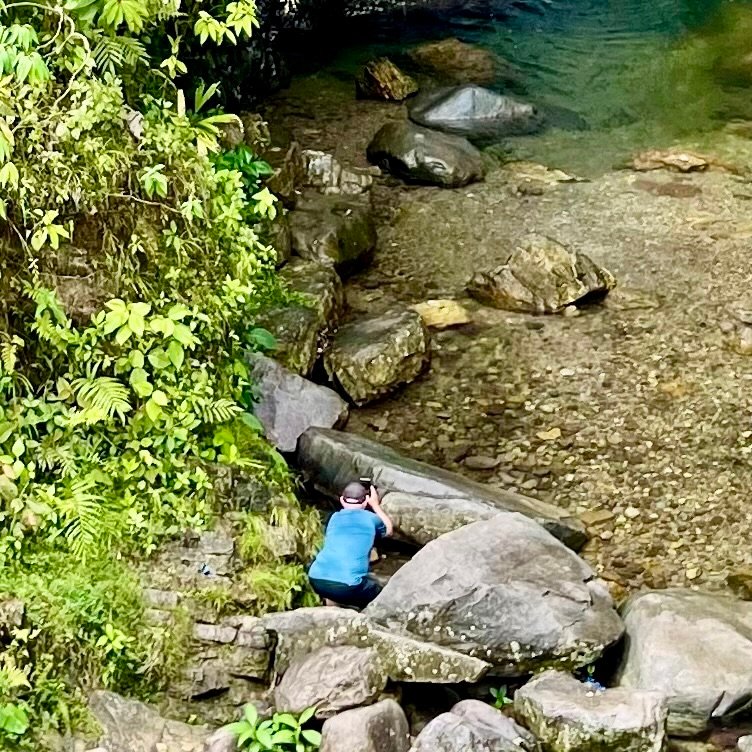
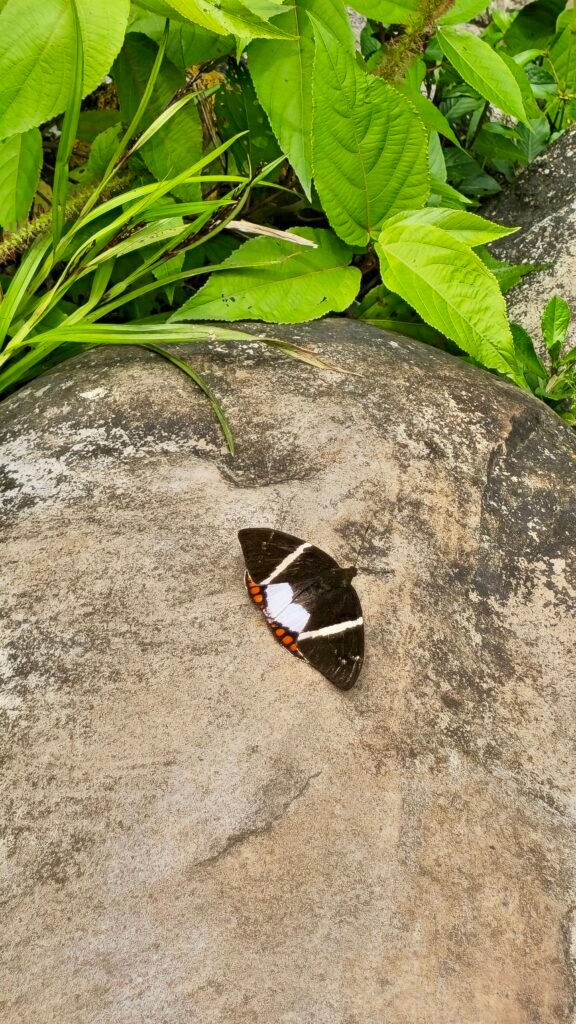
I actually caught the moment in two frames: the first of him looking completely captivated by something in the brush, and the second of exactly what he had found—a butterfly with orange and black wings that looked identical to the stones it was resting on. We had stumbled into a moment that felt private and fleeting, a small secret the forest decided to share.
Is the Camanti Cloud Forest Worth the Trip?
If you are deciding between flying and driving, the answer comes down to this: do you want to simply arrive in the Amazon, or do you want to experience how it begins?
- Who it’s for: Travelers who crave cinematic scale, those who find beauty in the details of a roadside stall, and anyone who wants to see the “Vertical Amazon” that planes fly right over.
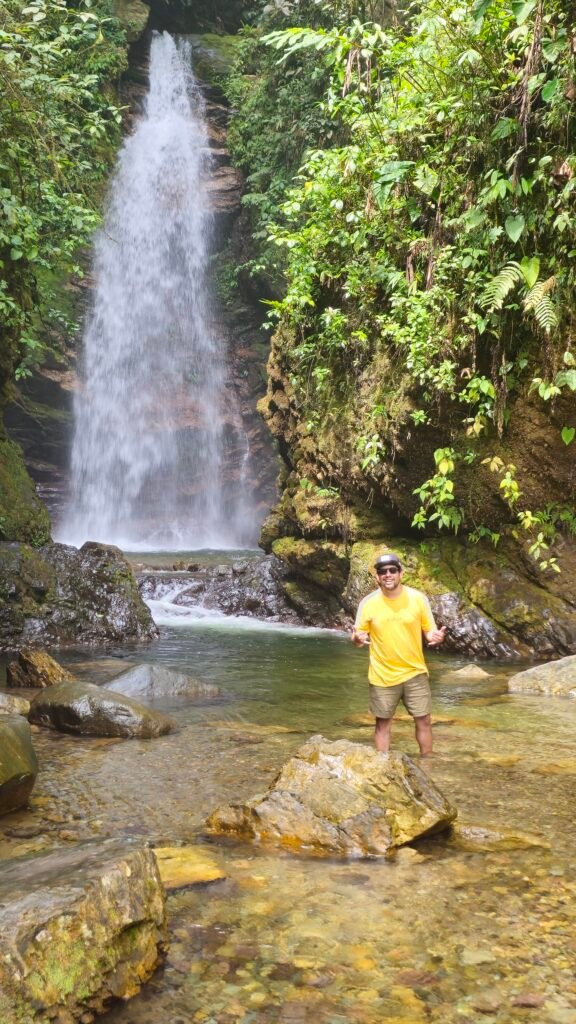
- The Hidden Adventure: The region is a sanctuary for world-class birding and rugged hiking through primary forest. I remember watching locals navigating fast-moving brown water that looked calm from the road—but wasn’t—offering a glimpse into the raw power of white water rafting here. You can also spend time fishing in silt-heavy waters or visiting traditional cacao farms that have been the lifeblood of local families for generations.
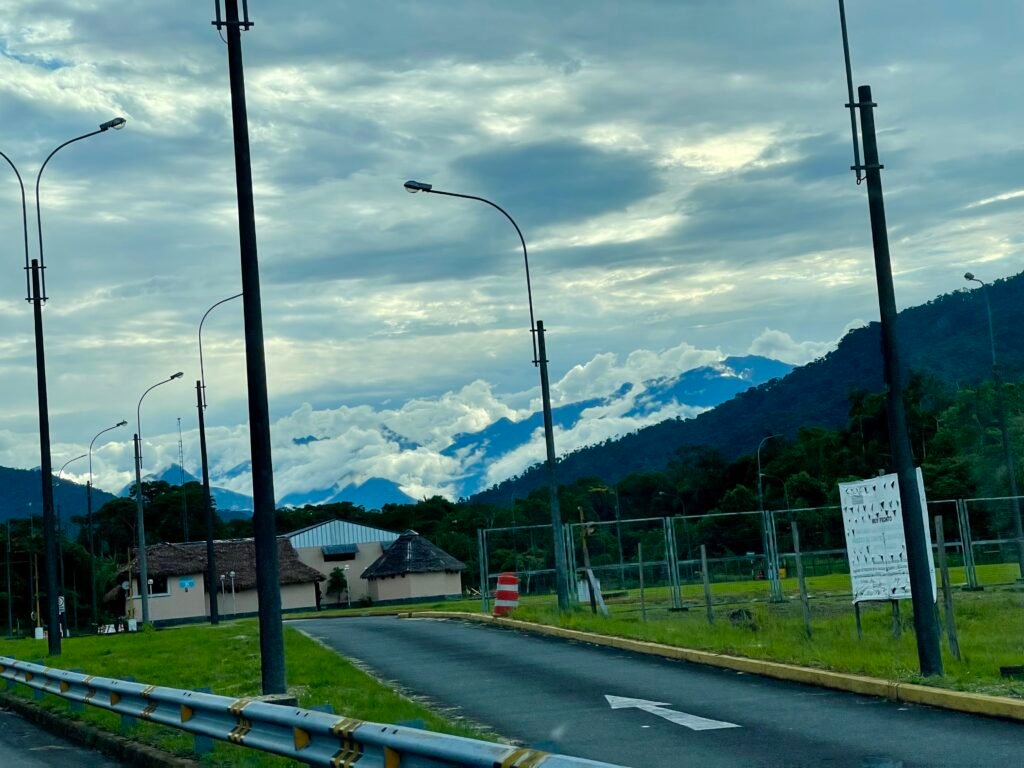
- Authenticity Unspoiled: Unlike the more commercialized hubs, Camanti offers access to natural reserves that have remained largely untouched by decades of mass tourism, providing a raw experience that feels increasingly rare.
- Who should skip it: If you are on a very strict time-crunch or prefer the sterile comfort of an airport terminal over a winding mountain descent, the flight is your best bet.
Don’t Just Arrive. Journey.
Camanti is the essential bridge between the high-altitude world of the 7 Lakes of Ausangate hike and the tropical basin. When you fly to Puerto Maldonado, you get to your destination, but you lose the story. You lose the waterfalls, the atmospheric descent, and the quiet authority of the forest.
Experience the Cloud Forest Properly
The route through Camanti is one of the most spectacular transitions in the Andes, but it requires more than just a map to navigate the shifting logistics of the high jungle. I help travelers build custom itineraries based on years of experience on these specific roads. If you want a plan backed by real expertise, let’s get started.