The 4:00 AM chill in Cusco is a specific kind of cold that bites through layers and settles in your joints. If you’re standing on a dark cobblestone corner waiting for a white minibus, you’re already participating in what I call a checklist error.
Most people approach the 7 Lakes of Ausangate as a frantic sprint—a box to be ticked between a flight from Lima and a train to Machu Picchu. They want the photos, but they don’t want the mountain.
I’ve spent over 20 years building a private network of senior guides and specialists in these mountains. If there’s one thing that two decades of boots-on-the-ground experience has taught me, it’s that the standard Ausangate day trip is a logistical dead-end.
It’s a compromised experience that costs you money and leaves you with little more than an altitude headache and a blurry photo of a lake you were too exhausted to actually see or appreciate. It’s a garbage tour that you’ll regret paying for.
But if you flip the script—if you treat this as a multi-day journey that incorporates the village of Pacchanta—it becomes one of those trips you’ll remember for a lifetime.
The Cheat Sheet: Why Not do a Day Trip to the 7 Lakes of Ausangate?
| Why Visit the 7 Lakes? | Why NOT do a Day Trip? |
| Glacial Majesty: Seven turquoise lakes framed by the 6,384m Apu Ausangate. | The 3:00 AM Wall: You start exhausted, dehydrated, and in the dark. |
| The “Real” Vistas: Stay overnight to reach the 5,000m+ summits for the iconic views. | Imagery Bait-and-Switch: Tour providers sell you on photos from high lookouts that you literally don’t have time to reach on a day trip. |
| High-Altitude Hot Springs: Soak in medicinal waters with a glass of wine and a view of the stars. | Altitude Ambush: Rushing from Cusco (3,400m) to the lakes (4,700m+) in hours is a recipe for mountain sickness. |
| Authentic Culture: Support the local community in Pacchanta, not just a van driver. | The “Short Tourist Route”: You’re herded through the lower trails and turned back before the landscape gets truly spectacular. |
The Great Ausangate Day-Trip Delusion
Let’s look at the actual math of a day trip. You wake up in the dark, skip a proper breakfast, and pile into a van for a three-hour drive (can be 4-5 hours). Because these volume-based tours are built for speed, they don’t stop at the scenic lookouts.
You’ll blow right past the village of Tinki, ignoring the many local bread dealers who spend their mornings pulling fresh, warm rolls from wood-fired ovens. That bread isn’t just food; it’s the essential fuel of the high Andes, and you’re missing it to save twenty minutes on a clock.
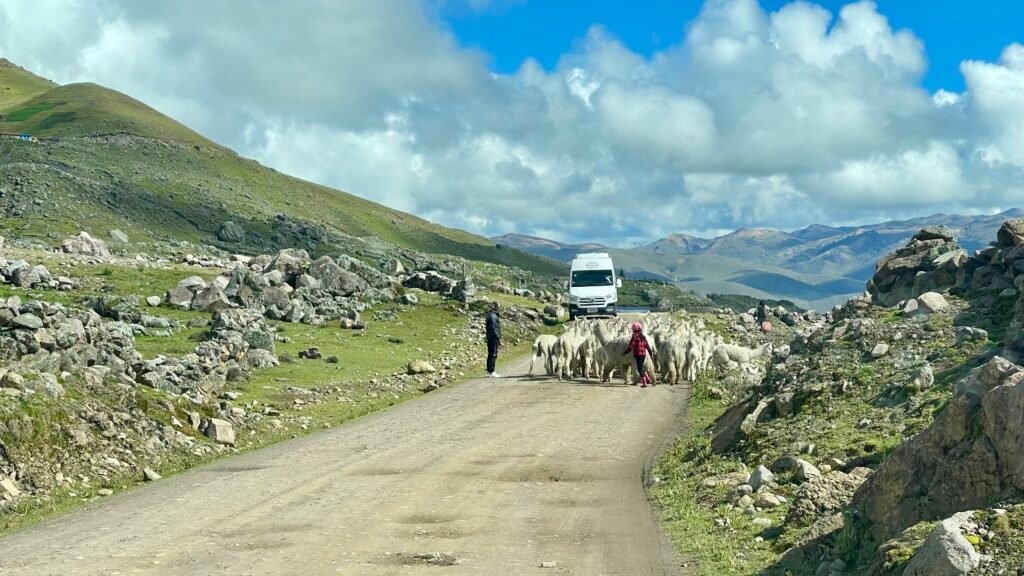
You arrive in Pacchanta around 9:00 or 10:00 AM. You’re stiff from the van, your blood is still thick from the Cusco altitude, and you’re immediately told to start walking. There’s no acclimatization. There’s no rhythm. You’re simply herded up a mountain so the driver can stay on schedule for the return journey.
By 2:00 PM, when the light is finally getting interesting and the shadows are defining the glaciers, you’re being whistled back to the van. You haven’t seen the Apu; you’ve just seen a parking lot and a swampy trail.
The Pacchanta Pivot: Living in the Altitude
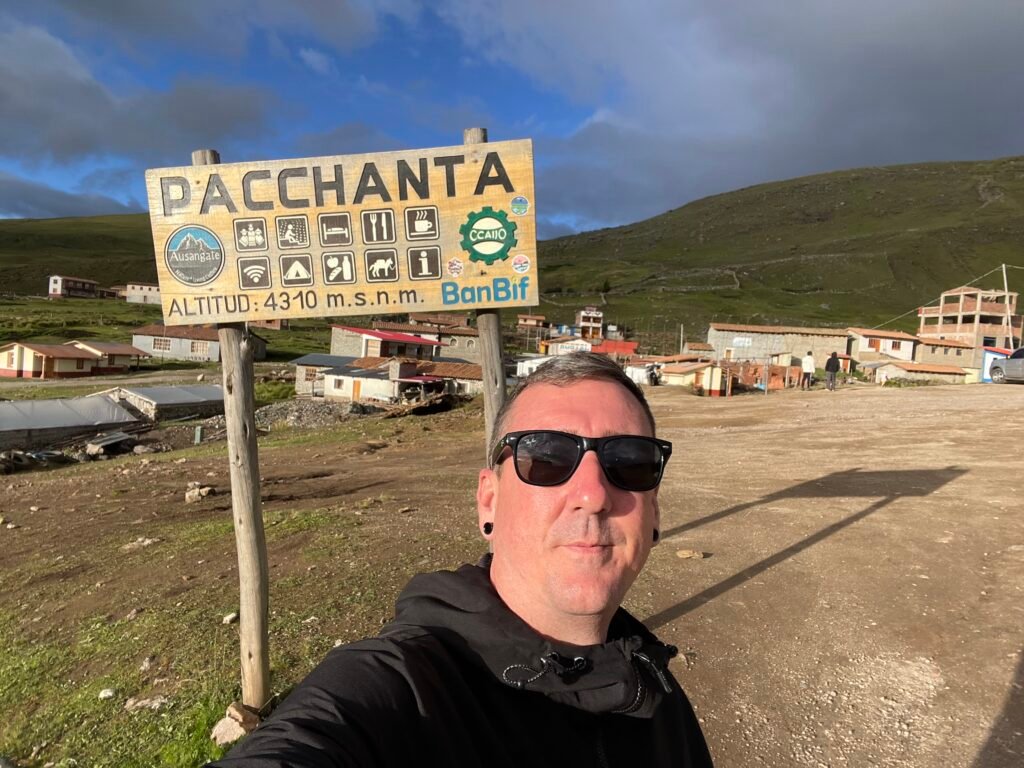
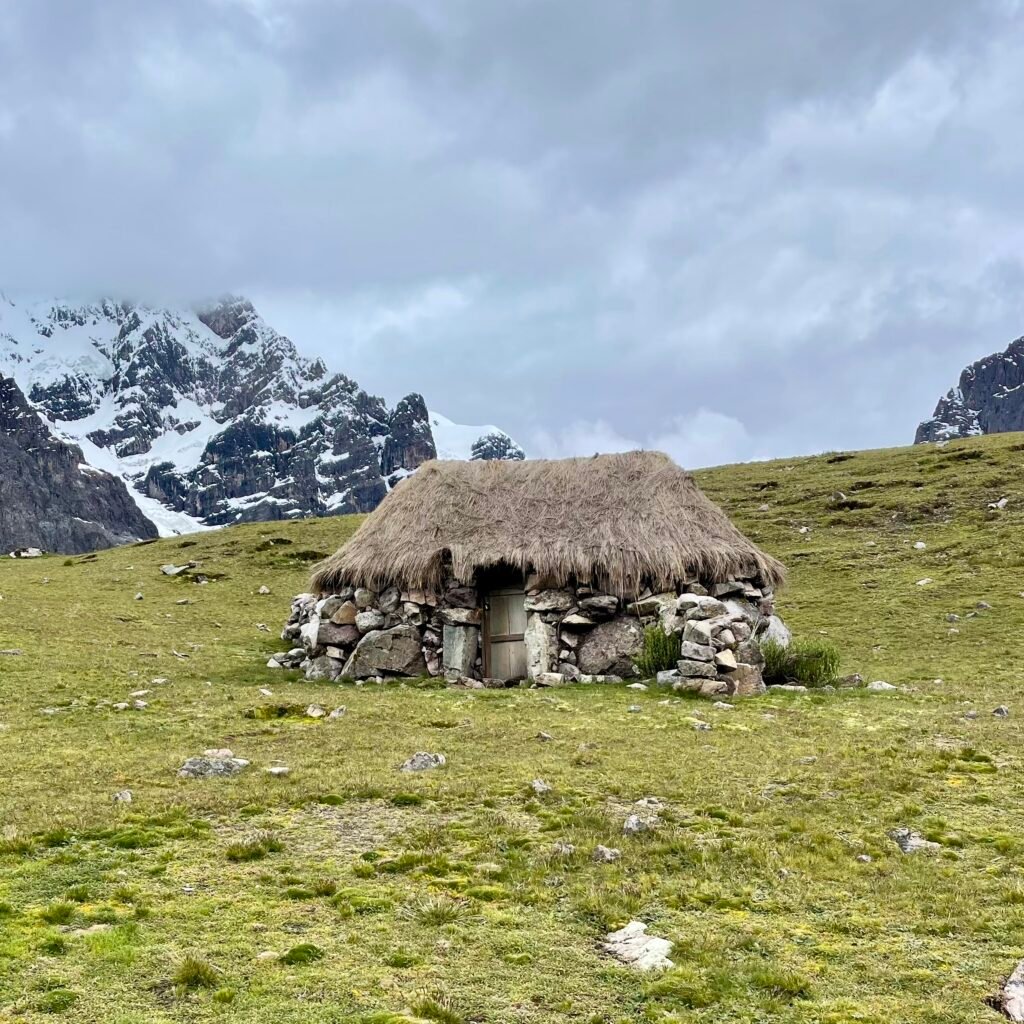
Staying in Pacchanta overnight is the standard I set for a reason. Waking up at 4,310 meters in a village that smells of woodsmoke and damp earth is a different reality than waking up in a hotel in Cusco. When you stay, you have the time to actually exist in the landscape.
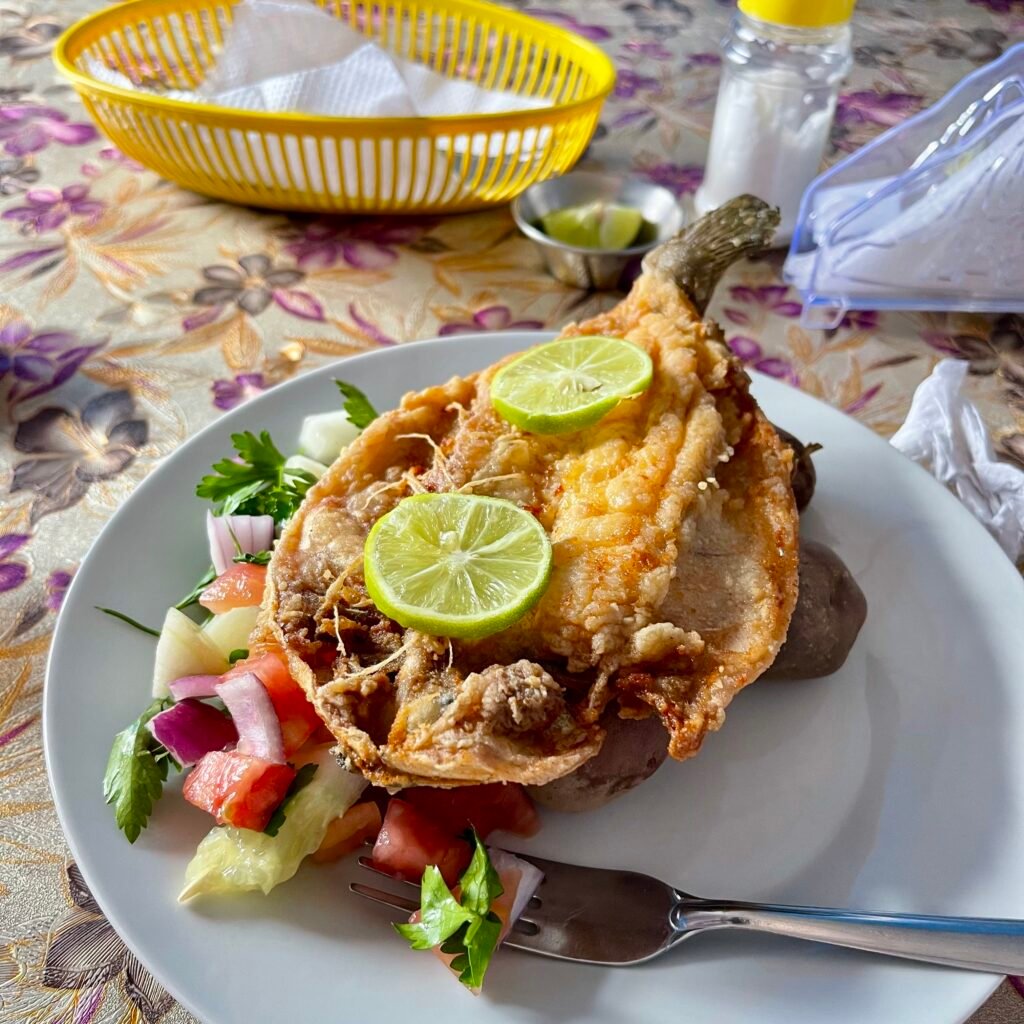
You have the breathing room to eat like a local. I’m talking about fresh mountain trout pulled from the water that morning, or a Pachamanca—meat and tubers cooked in the earth with hot stones. It’s a slow, honest way of eating that matches the scale of the mountains.
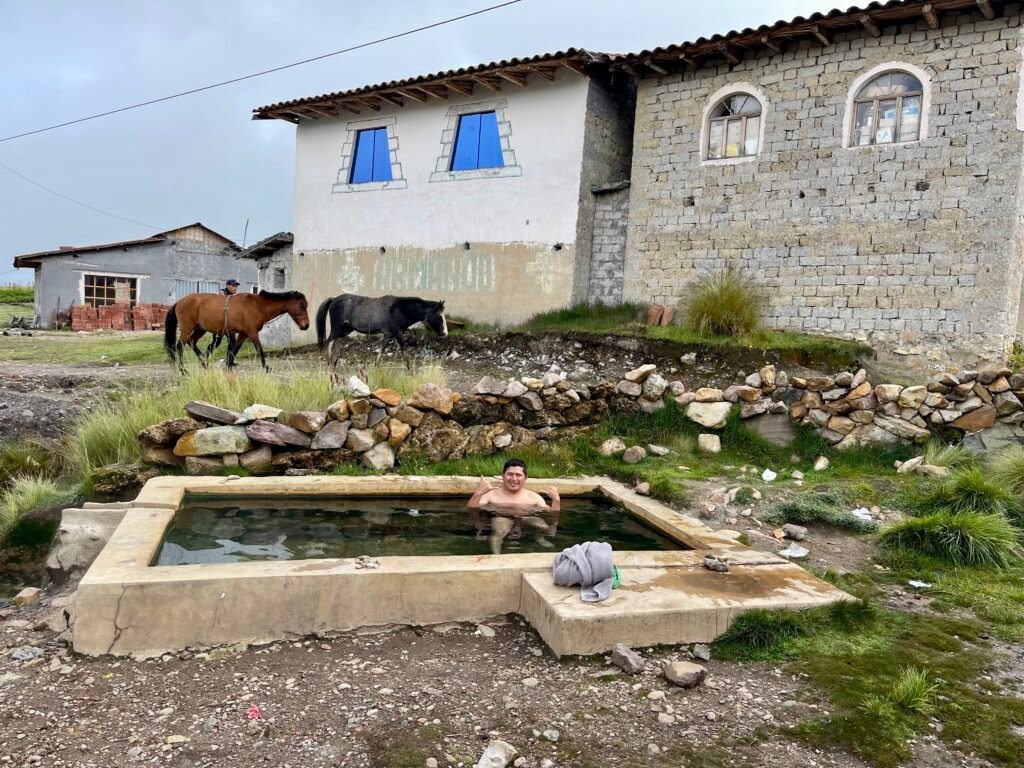
The real magic happens at dusk. While the day-trippers are bouncing in the back of a cramped minibus on the long road back to Cusco, you’re sitting in the village hot springs. There’s no light pollution here. The sky is so dense with stars it feels heavy.
You can sit there in the hot springs, with the sulfurous steam rising into the freezing Andean air and look up at the massive, silent face of Ausangate. That’s the moment the trip pays for itself.
Earned Vistas: The 5,000-Meter Mark
Because you’re already waking up in Pacchanta, you have a four-hour head start on the rest of the world. You eat a hearty breakfast, lace up your boots, and are on the mountain before the first minibus even pulls into the village.
This head start is the only way to reach the top summits without suffering. On a day trip, you’ll likely stop at the lower lakes and call it a day. Here is the truth tour providers won’t tell you: the majestic images used to sell these trips are taken from lookouts that are physically impossible to reach on a standard day-trip schedule.
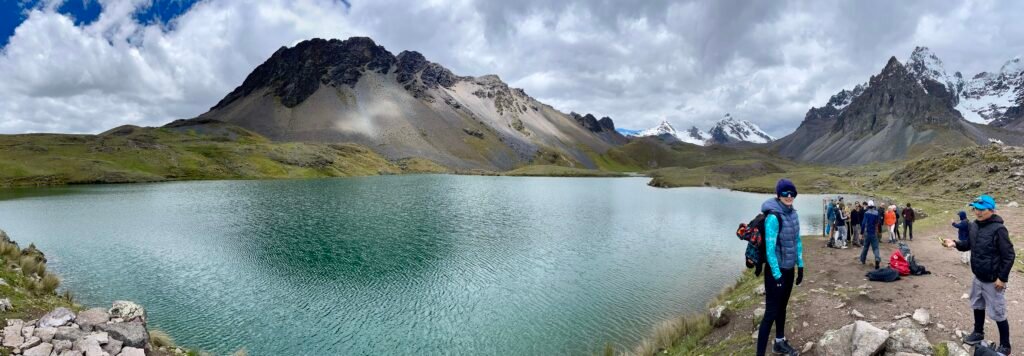
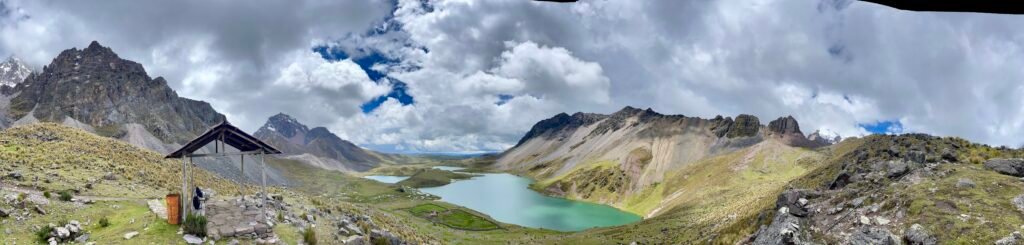
On a rushed tour, you’re relegated to the “short tourist route.” But when you do it right, you reach the real vistas at over 5,200 meters. At that height, the air is thin and sharp. The glaciers are a deep, crystalline blue that generic guides never capture.
You’re standing alone and above seven distinct lakes, each a different shade of turquoise. You aren’t rushing for a van; you’re finally experiencing the silence of the high Andes.
The Recovery and the Descent to the Jungle
Trekking 16km at this altitude is a physical demand on the body. When you finish, your legs will ache. In the day-trip scenario, that ache is your companion for a miserable return journey back to Cusco.
When you do it the right way, your reward is a final dip in the hot springs. From here, you have a choice. You can certainly loop back to Cusco, having experienced Ausangate as a world-class standalone destination. However, my own preference is to keep moving forward.
Ausangate isn’t just a mountain; it’s the gatekeeper. After a second night in Pacchanta, you can head straight to Abra Pirhuayani by car. Standing at the highest point of the 30C interoceanic highway, you are on a literal knife-edge of geography.
To one side are the glaciers; to the other, the road starts a violent, winding drop straight down into the jungle basin. Whether you are heading back to the city or starting the epic descent through the cloud forests of Camanti toward the Amazon, this is the only way to do the transition justice.
Plan Your Ausangate Expedition
A journey that respects the scale of Ausangate requires a network of senior guides who understand pacing, safety, and local culture. We don’t do “checklists.” Whether you are looking for a rugged, budget-conscious trek or a high-end luxury mountain stay, we handle the logistics so you can focus on the climb.
Ready to see the 7 Lakes of Ausangate the right way?
Request a personalized Peru travel itinerary and let our specialists handle the logistics for your Ausangate expedition.